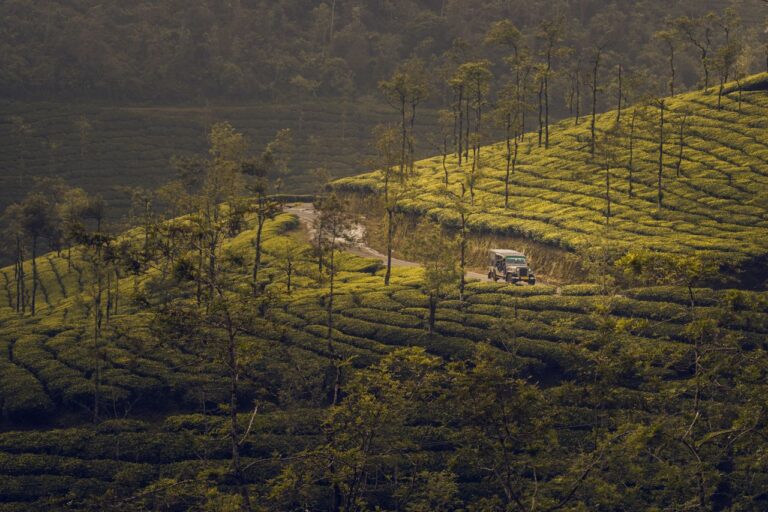
Europe has a strange advantage.
You can wake up surrounded by centuries-old architecture, spend the afternoon crossing a mountain range and have dinner beside the sea.
The distances between countries can be surprisingly short, but the experiences can change dramatically.
Different languages. Different food. Different histories. Sometimes a completely different rhythm of life.
What Makes Europe Special?
Europe is particularly good at rewarding slow exploration.
Yes, the famous places deserve their reputation. Paris, Rome, Barcelona, Amsterdam, Prague and countless others have earned their place on travel lists.
But Europe becomes more interesting when you look beyond the postcard.
A small Italian town can tell you more about local food than another rushed afternoon at a major attraction. A village in the Alps can become the highlight of a trip that started in a famous capital.
Where Should You Travel?
Western Europe is packed with museums, historic cities, architecture and established travel routes.
Southern Europe is where food, coastline, sunshine and relaxed evenings become major parts of the experience.
Northern Europe offers dramatic scenery, long summer days and a strong connection with the outdoors.
Central and Eastern Europe can be especially rewarding for travelers who want historic cities and culture while moving beyond the busiest tourist routes.
Europe Is Made for Different Types of Trips
Want a food holiday?
Italy, France, Spain and Portugal give you plenty to work with.
Prefer nature?
Look toward the Alps, Scandinavia and Europe’s national parks.
Want history?
You could spend months following Europe’s castles, old towns, museums and archaeological sites.
Or forget the checklist entirely and take a train somewhere simply because the landscape looks interesting.
When Is Europe Best?
That depends on the experience you’re after.
Summer brings long days, beaches and lively cities, but it can also mean crowds and higher prices.
Spring and autumn often offer a more comfortable balance for sightseeing.
Winter changes the character completely, bringing Christmas markets, snow-covered landscapes and ski destinations.
There is no universally “best” Europe season.
Don’t Make This Mistake
The biggest mistake first-time visitors make is trying to see too much.
Five countries in ten days might look impressive on an itinerary.
It can also mean spending half the holiday checking out of hotels, reaching stations and dragging luggage around.
Choose fewer places.
Stay longer.
You’ll probably remember more.
Europe Travel Tips
- Check entry requirements before booking.
- Compare train, bus and flight options.
- Research local holidays.
- Look beyond capital cities.
- Book popular attractions when timed entry is required.
- Leave unplanned time in your itinerary.
- Don’t judge a destination only by Instagram.
Frequently Asked Questions
What is the best country to visit in Europe?
There isn’t one answer. Italy is excellent for food and history, Switzerland for mountains, Greece for islands, France for culture and cuisine, while dozens of other countries offer their own reasons to visit.
How many European countries should you visit on one trip?
For most travelers, a few well-chosen destinations are better than trying to collect as many countries as possible.
Is Europe expensive?
It depends heavily on the country, city, season and style of travel.
Final Thought
Europe isn’t really about seeing everything.
It’s about realizing that there is always another street worth walking down, another café worth sitting in and another train worth catching.