A Jaipur tour guide is most useful when it helps you understand how the city actually fits together, rather than simply giving you a long list of attractions. Jaipur has a historic walled city, enormous hill forts, royal palaces, old markets and neighbourhoods that feel very different from the postcard version of the Pink City.
Jaipur has a historic walled city, enormous hill forts, royal palaces, old markets and neighbourhoods that feel very different from the postcard version of the Pink City. Founded by Sawai Jai Singh II in 1727, Jaipur was designed as a planned city and today serves as the capital of Rajasthan. It is also one corner of India’s Golden Triangle, alongside Delhi and Agra. Jaipur is only one part of the state. Continue with our Rajasthan guide to places to visit to compare it with Udaipur, Jodhpur, Jaisalmer, Pushkar and Mount Abu.
For a first visit, two to three days is a useful amount of time. One day can cover the major highlights, but a little more time allows you to separate the forts from the old city instead of rushing through both.
Jaipur at a Glance
| Detail | Jaipur |
|---|---|
| State | Rajasthan |
| Known as | The Pink City |
| Founded | 1727 |
| Best for | History, architecture, markets and food |
| Ideal first trip | 2 to 3 days |
| Major attractions | Amer Fort, City Palace, Hawa Mahal, Jantar Mantar |
| Nearby destinations | Pushkar, Ajmer and other Rajasthan destinations |
| Major travel hub | Jaipur |
Jaipur’s historic core and surrounding fort areas are best understood as separate sightseeing zones. That matters when planning your days.
Why Visit Jaipur?
A good Jaipur tour guide should cover more than the famous monuments, because several sides of Rajasthan are visible within the city itself.
You can spend the morning inside a centuries-old fort, walk through the old city in the afternoon and finish the day looking over Jaipur from the surrounding hills.
The city also has a practical advantage. Jaipur is a major transport hub for Rajasthan, with rail connections to major Indian cities and road links across the state. Rajasthan Tourism identifies Jaipur as one of the state’s major railway hubs. Rajasthan Tourism
The result is a destination that works both as a standalone city break and as the opening point for a longer Rajasthan itinerary.
Places to Visit in Jaipur
You do not need to visit every attraction in the city to understand Jaipur, these are the places that give you the clearest picture of its history and character.
1. Amer Fort
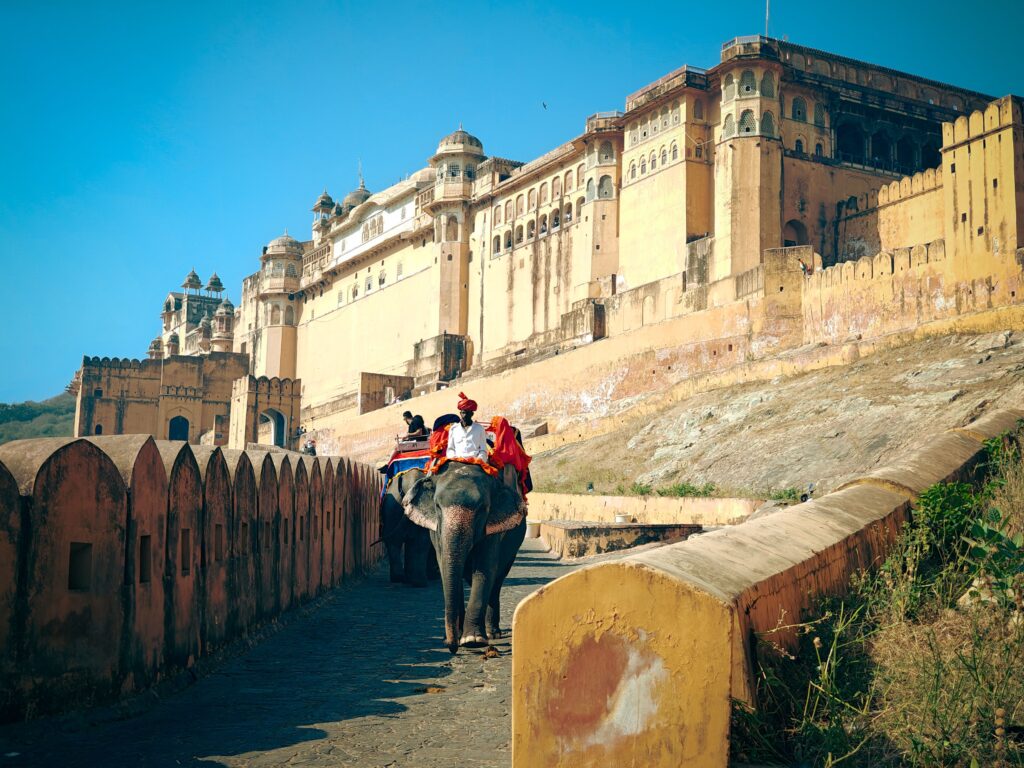
Amer Fort, also called Amber Fort, sits on a hill roughly 11 km from central Jaipur.
The complex combines pale yellow and pink sandstone with white marble and contains courtyards, royal quarters, gardens, temples and the Sheesh Mahal. Rajasthan Tourism describes it as one of Jaipur’s major attractions and notes its four main sections.
It is also part of the UNESCO-listed Hill Forts of Rajasthan.
Give yourself several hours here rather than treating it as a quick photo stop.
Best for: History, architecture and photography.
2. City Palace
City Palace sits inside Jaipur’s historic walled city.
The complex was conceived by Sawai Jai Singh II and expanded by later rulers. It combines Rajput and Mughal architectural elements and includes courtyards, palace buildings and museum collections.
Its location makes it particularly easy to combine with Jantar Mantar and Hawa Mahal.
Best for: Royal history, architecture and museums.
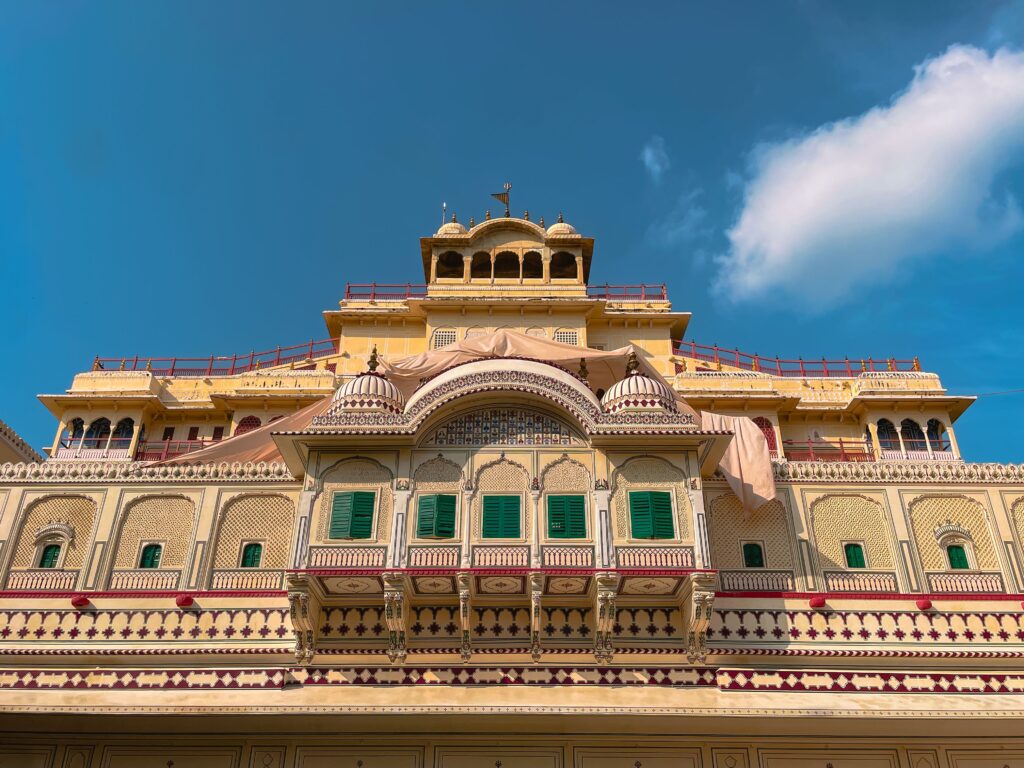
3. Hawa Mahal
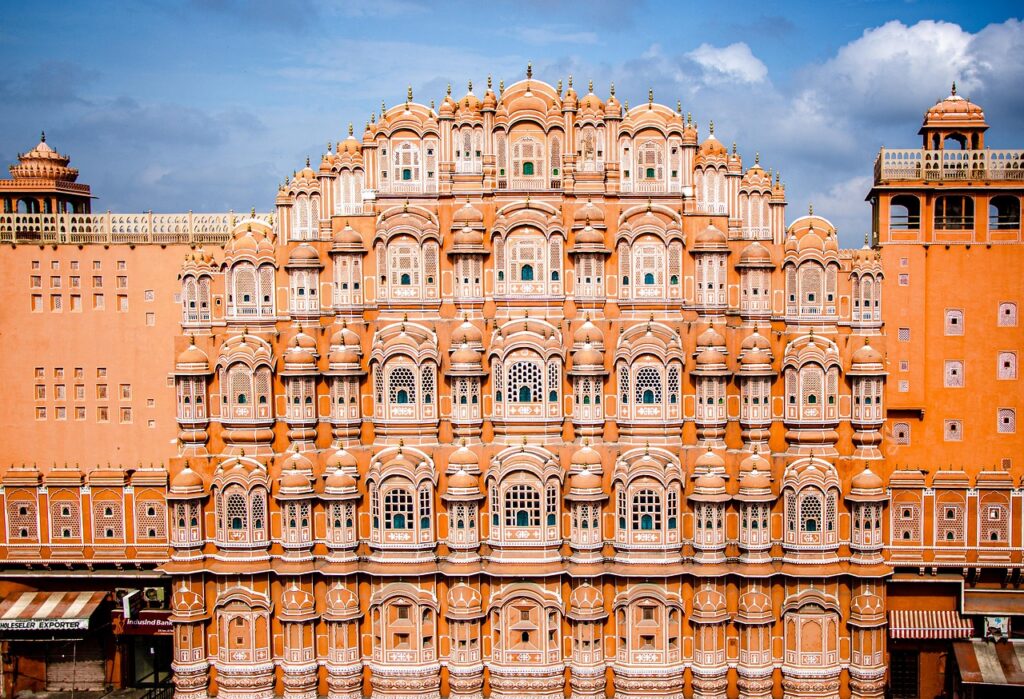
Hawa Mahal is probably Jaipur’s most recognisable building.
Its five-storey façade contains numerous jharokhas, or projecting windows, designed to allow women of the royal household to observe street activity without being seen. Rajasthan Tourism describes the building as a major example of the city’s architectural identity.
The important thing to understand is that Hawa Mahal is relatively compact compared with Amer Fort or City Palace.
You can see its famous façade quickly, but the surrounding old-city streets deserve more time.
Best for: Architecture, photography and the old city.
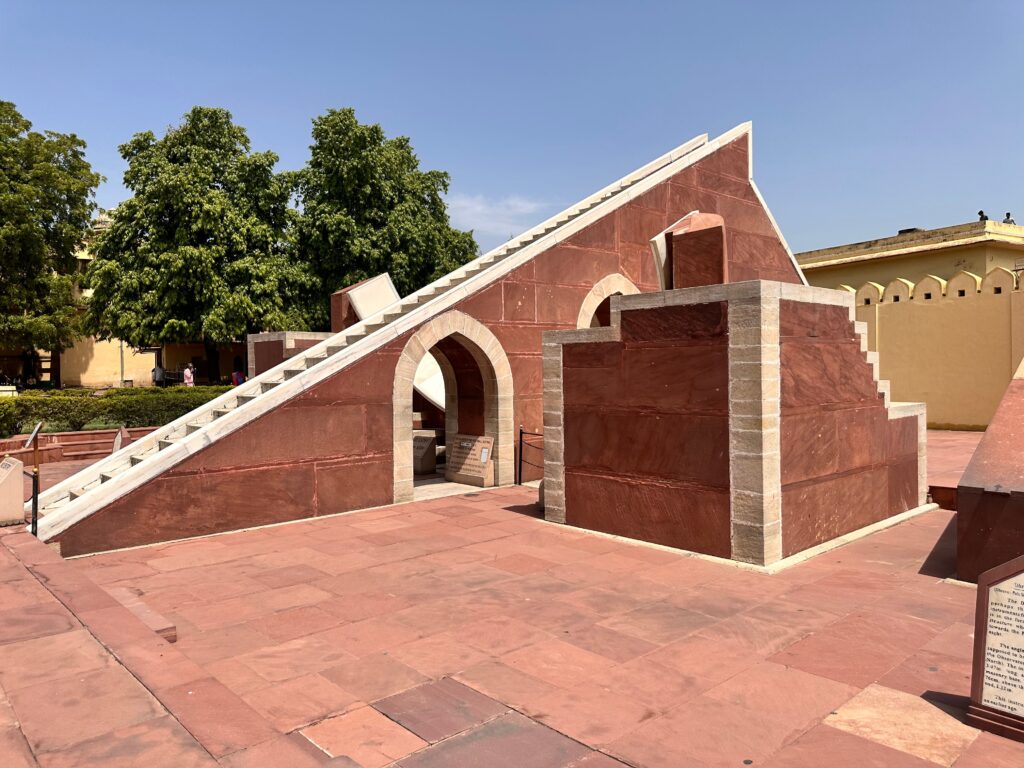
4. Jantar Mantar
Jantar Mantar is one of the most unusual attractions in Jaipur.
Instead of another palace, you get a collection of large astronomical instruments built in the early 18th century. UNESCO describes it as one of the most significant and best-preserved historic observatories of its type. UNESCO World Heritage Centre
Rajasthan Tourism notes that the site contains 19 astronomical instruments, including the massive Samrat Yantra sundial.
This is a place where understanding what you are looking at makes the visit much more interesting.
Best for: Astronomy, history, architecture and science.
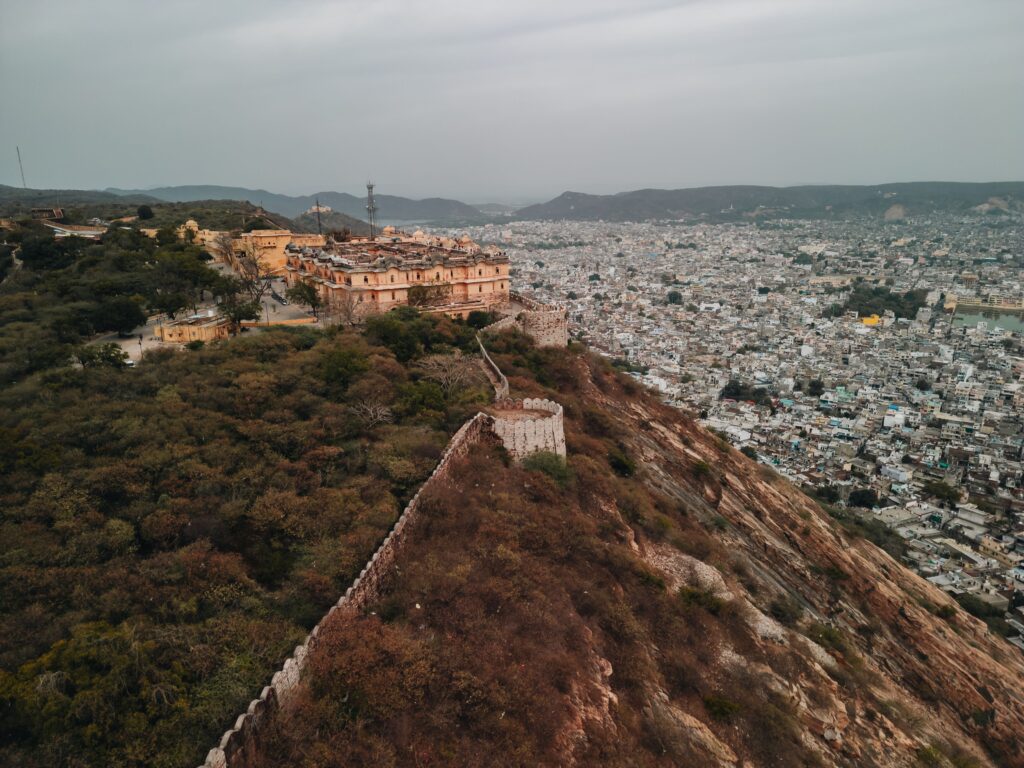
5. Nahargarh Fort
Nahargarh Fort sits in the Aravalli hills above Jaipur.
The attraction is as much about the location as the structure itself. From the surrounding hills, you get a broad view over the city.
It works particularly well toward the later part of the day, when the city begins to change character.
Best for: City views, photography and sunset.
6. Jaigarh Fort
Jaigarh Fort is another major fort in the hills around Jaipur.
Its military character distinguishes it from the more palace-oriented experience at Amer Fort.
The two can be combined because of their location, although you should leave enough time to actually explore them rather than treating both as quick stops.
Best for: Fort architecture and military history.
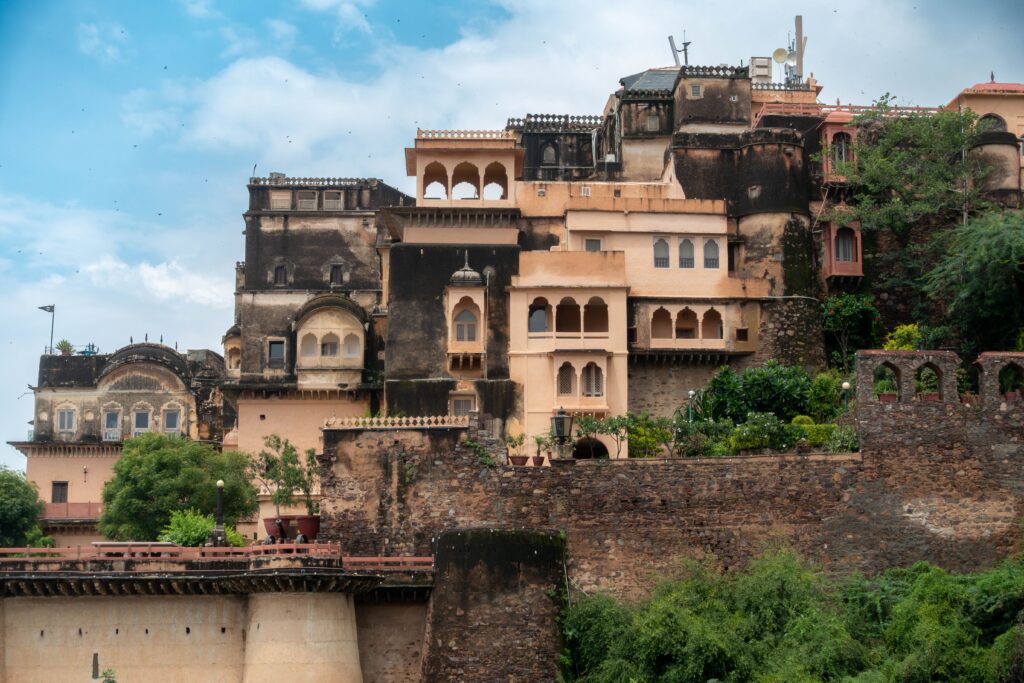
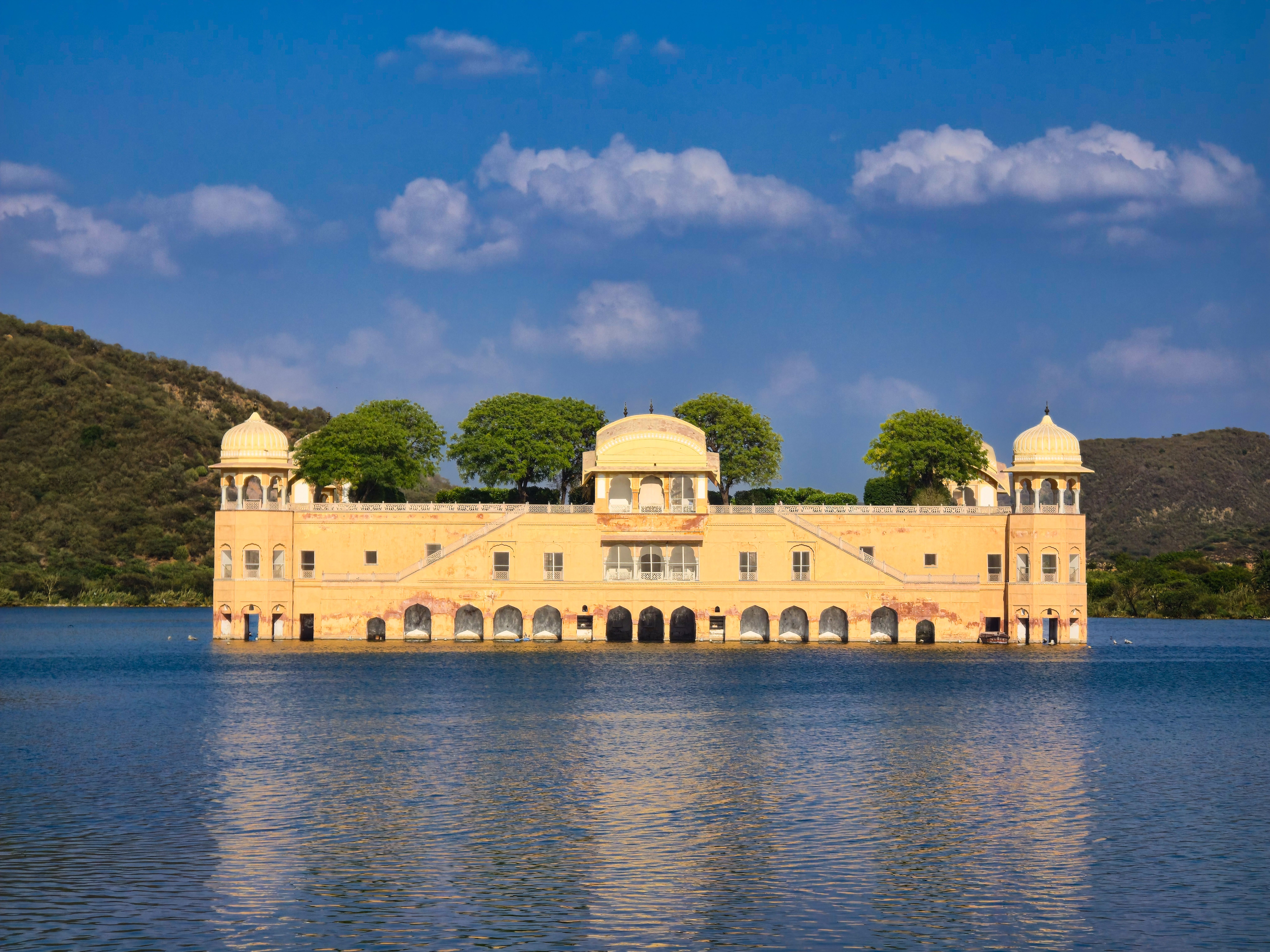
7. Jal Mahal
Jal Mahal sits in Man Sagar Lake and is one of Jaipur’s most photographed landmarks.
For most visitors, the attraction is about the view rather than spending a long time at the monument itself.
It works well as a short stop while travelling between the city and the Amer area.
Best for: Photography and a short sightseeing stop.
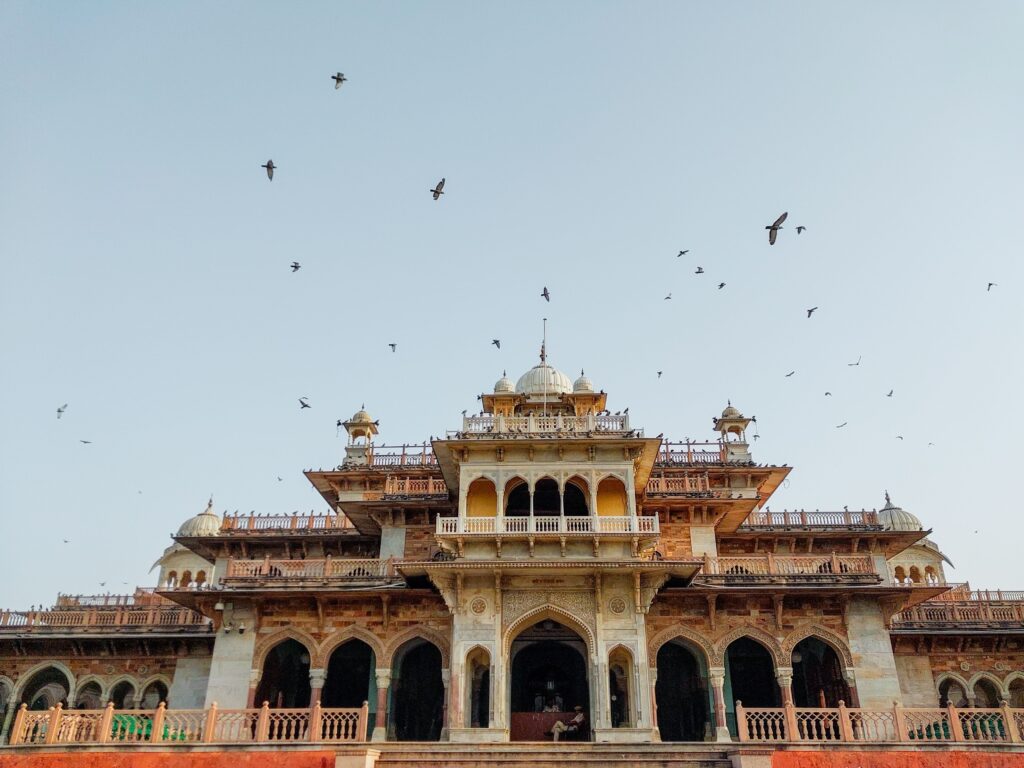
8. Albert Hall Museum
Albert Hall Museum is one of Jaipur’s major cultural attractions.
Its Indo-Saracenic architecture makes the building itself worth seeing, while its collections provide another perspective on Rajasthan beyond royal forts and palaces.
If you enjoy museums, give it more time. If your trip is only one day, it may need to compete with Jaipur’s larger historic attractions.
Best for: Art, culture and museums.
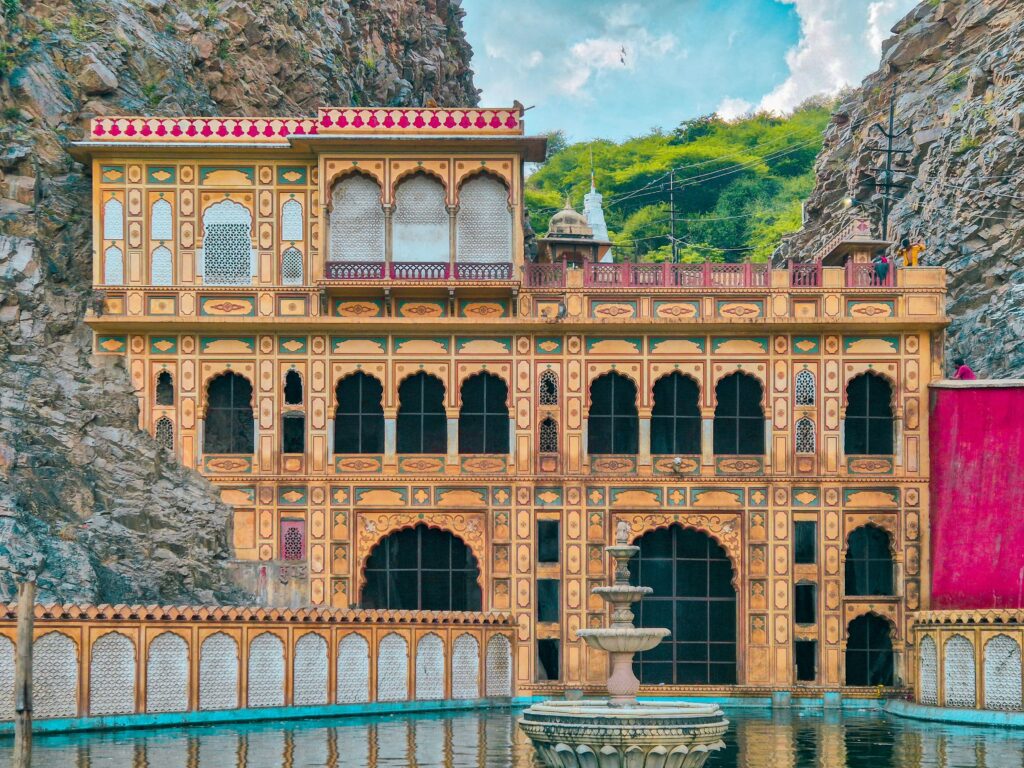
9. Galtaji
Galtaji is a temple complex set among the hills outside central Jaipur.
It offers something different from the major palace attractions and can be useful for travelers interested in religious architecture and quieter surroundings.
Best for: Culture, temples and photography.
10. Jaipur’s Historic Markets
Jaipur’s markets are part of the city rather than an attraction you simply “tick off.”
Johari Bazaar, Bapu Bazaar and other commercial areas around the old city are known for jewellery, textiles, handicrafts, clothing and traditional products.
The experience is better when you go with a little patience.
You will encounter busy streets, shopkeepers, traffic and plenty of products designed for tourists. Take time to compare prices and understand what you are buying.
Best for: Shopping, local atmosphere and food.
How Many Days Do You Need in Jaipur?
One day in Jaipur
One day is possible, but you need to be selective.
A practical approach is:
Morning: Amer Fort
Afternoon: City Palace + Jantar Mantar
Late afternoon: Hawa Mahal and old city
Evening: Market or dinner
Trying to add every fort and museum will make the day unnecessarily rushed.
Jaipur 2-Day Itinerary
Two days gives you a much better balance.
Day 1: Forts and the Hills
- Amer Fort
- Jaigarh Fort
- Jal Mahal
- Nahargarh Fort
The exact order can change depending on weather, opening conditions and where you are staying.
Day 2: Pink City and Heritage
- City Palace
- Jantar Mantar
- Hawa Mahal
- Albert Hall Museum
- Old-city markets
This division works because you are not constantly crossing the city.
Jaipur 3-Day Itinerary
Three days allows you to slow down.
Day 1: Amer Area
- Amer Fort
- Jaigarh Fort
- Jal Mahal
- Nahargarh Fort
Day 2: Historic Jaipur
- City Palace
- Jantar Mantar
- Hawa Mahal
- Old-city markets
Day 3: Culture and slower exploration
Use the third day for a combination of:
- Albert Hall Museum
- Galtaji
- local food
- shopping
- neighbourhood exploration
A third day is especially useful if you don’t enjoy rushing between monuments.
Best Time to Visit Jaipur
For most travelers, the cooler months are easier for sightseeing.
Rajasthan Tourism identifies winter as the generally preferred season for visiting the state and notes that temperatures and conditions vary across regions.
For Jaipur, the broad planning window is:
| Period | What to expect |
|---|---|
| October to March | More comfortable sightseeing conditions |
| April to June | Increasingly hot, particularly during the day |
| July to September | Monsoon conditions and more humidity |
If you visit during the hotter months, plan outdoor sightseeing around the cooler parts of the day.
For Jaipur, this matters because several major attractions involve walking outdoors.
How to Reach Jaipur
By Air
Jaipur has an airport serving domestic and international routes. For travelers arriving from other Indian cities, flying can be useful when Jaipur is the first stop of a longer Rajasthan trip.
By Train
Train travel is one of the most practical ways to reach Jaipur from many parts of India. Rajasthan Tourism identifies Jaipur as one of the state’s major railway hubs and lists rail connections with major Indian cities.
By Road
Jaipur is well connected to other parts of Rajasthan and major cities in northern and western India by road.Road travel becomes particularly useful once Jaipur is part of a larger Rajasthan route.
How to Get Around Jaipur
You have several options, including:
- Auto-rickshaws
- App-based cabs where available
- Taxis
- Local buses
- Private cars with drivers
For sightseeing across several attractions in one day, having a reliable point-to-point option can save time.
Walking works best in smaller sections of the old city rather than as a strategy for the entire Jaipur sightseeing circuit.
What to Eat in Jaipur
Jaipur is one of those cities where food should be part of the itinerary rather than an afterthought.
Look for traditional Rajasthani dishes such as:
- Dal baati churma
- Ghewar
- Pyaaz kachori
- Mirchi vada
- Mawa kachori
- Gatte dishes
- Ker sangri
The exact experience depends on where you eat. A traditional restaurant, market stall and modern café can all give you very different versions of Jaipur’s food culture.
If food is important to you, avoid filling every sightseeing day so tightly that meals become something you squeeze between monuments.
Shopping in Jaipur
Jaipur is particularly known for jewellery, textiles, handicrafts and traditional crafts.
Some of the better-known shopping areas include:
- Johari Bazaar
- Bapu Bazaar
- Tripolia Bazaar
- Chandpole Bazaar
If you are buying jewellery, textiles or handicrafts, compare products and prices before committing.
The most tourist-heavy streets can be convenient, but convenience is not always the same as value.
Where Jaipur Fits Into a Rajasthan Trip
Jaipur is particularly useful as the first major stop in a Rajasthan itinerary.
From here, travelers can continue toward destinations such as:
- Pushkar
- Jodhpur
- Udaipur
- Jaisalmer
- Mount Abu
That makes Jaipur more than a destination on its own. It can also function as the gateway into a much larger Rajasthan journey.
For the wider picture, return to our Rajasthan travel guide before deciding how many cities to combine.
How to Plan Jaipur Without Rushing
The biggest mistake first-time visitors make is trying to visit every famous attraction.
Jaipur looks manageable on a map. Once you account for traffic, walking, queues, sightseeing time and the distance between different areas, the day fills quickly.
A better approach is to group places geographically.
Amer side
Amer Fort
Jaigarh Fort
Jal Mahal
Nahargarh Fort
Historic city
City Palace
Jantar Mantar
Hawa Mahal
Johari Bazaar
Bapu Bazaar
Other cultural stops
Albert Hall Museum
Galtaji
Temples and local neighbourhoods
This simple division can make a Jaipur trip considerably easier to plan.
Frequently Asked Questions
How many days are enough for Jaipur?
Two to three days is a useful range for a first trip. One day can cover the major sights, while three days gives you more room for museums, markets, food and slower exploration.
What are the most important places to visit in Jaipur?
Amer Fort, City Palace, Hawa Mahal and Jantar Mantar are the core historic attractions. Nahargarh Fort, Jaigarh Fort, Jal Mahal, Albert Hall Museum and Galtaji can be added depending on your available time and interests.
Is Jaipur good for a first Rajasthan trip?
Yes. Jaipur combines major historic attractions with markets, food and convenient connections to other parts of Rajasthan.
Is one day enough for Jaipur?
One day is enough for a highlights-focused visit, but you will need to choose carefully. Trying to cover every major attraction in one day can make the experience rushed.
What is Jaipur famous for?
Jaipur is known for its historic planned city, pink-coloured architecture, forts, palaces, astronomical observatory, jewellery, textiles and markets.
What is the best time to visit Jaipur?
The cooler months, broadly October to March, are generally more comfortable for sightseeing. Conditions vary through the year, so check current weather before planning outdoor activities.
The TravelTheory Take
Jaipur is easiest to appreciate when you stop treating it as a collection of monuments.
Amer Fort tells you about Jaipur’s military and royal past. City Palace shows how the ruling family shaped the city. Jantar Mantar reveals the scientific interests of its founder. Hawa Mahal connects the royal world with the streets below. The markets show that Jaipur is still a working city rather than a preserved museum.
this Jaipur tour guide gives you flexibility while planning a trip Give it two days if you can. Give it three if you want to slow down.
And if Jaipur is only your first stop, use it as the beginning of the larger Rajasthan journey rather than trying to fit the whole state into one itinerary.