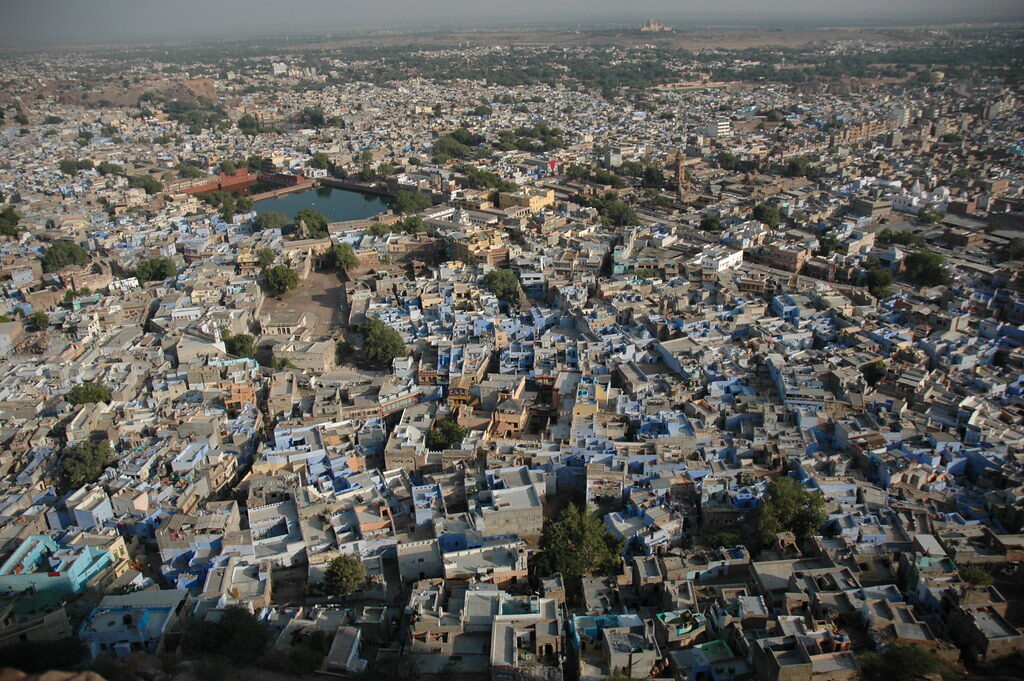
Jodhpur is one of Rajasthan’s most visually distinctive cities. The massive Mehrangarh Fort rises above a dense maze of old streets, while blue-painted houses spread across the landscape below it. The city combines Marwar history, royal architecture, busy markets and a strong local food culture.
Founded in 1459 by Rao Jodha of the Rathore clan, Jodhpur was built near the earlier capital of Mandore. That history is still visible across the city, from Mehrangarh and Jaswant Thada to the old markets and Mandore Gardens.
The most famous places to see in Jodhpur are concentrated around the old city and Mehrangarh, but there is enough outside the central area to make a two or three-day trip worthwhile.
This guide covers the major sights, realistic itineraries, the best time to visit, transport, food, shopping and practical tips for planning Jodhpur.
Jodhpur at a Glance
| Category | Details |
|---|---|
| State | Rajasthan |
| Region | Western Rajasthan |
| Known for | Mehrangarh Fort, blue houses, Marwar history and markets |
| Famous name | Blue City |
| Ideal stay | 2 to 3 days |
| Best for | History, architecture, food, culture and photography |
| Major attraction | Mehrangarh Fort |
| Airport | Jodhpur Airport |
| Railway | Jodhpur Junction |
| Nearby region | Thar Desert and Marwar |
Jodhpur is also an important stop for travellers travelling west towards Jaisalmer or exploring the wider Marwar region.
Why Jodhpur Is Worth Visiting
Jodhpur has a clear visual identity.
The first thing you notice is the contrast between the blue houses of the old city and the sandstone walls of Mehrangarh Fort above them.
But the city becomes more interesting once you look beyond that familiar view.
Mehrangarh explains the military and royal history of Marwar. Jaswant Thada provides a quieter architectural experience. Umaid Bhawan represents a much later period of Jodhpur’s history, while Sardar Market shows the city’s everyday commercial side.
That mixture makes Jodhpur more than a fort-and-photo-stop destination.
Places to See in Jodhpur
You do not need to visit every attraction in Jodhpur. For a first trip, focus on Mehrangarh Fort, Jaswant Thada, the old city, Umaid Bhawan Palace and at least one market or local neighbourhood.
Mehrangarh Fort
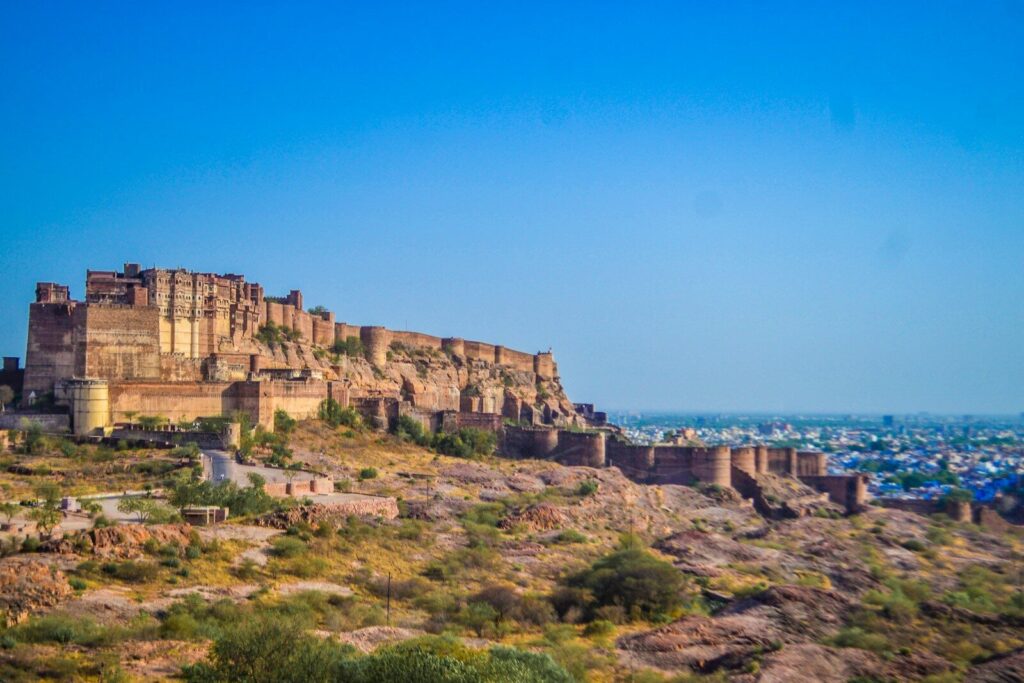
Mehrangarh Fort is the defining landmark of Jodhpur.
The fort rises dramatically above the city from a rocky hill and dominates the surrounding landscape. Rajasthan Tourism describes it as one of the major historic forts of India, with palaces, decorated rooms, carved panels, latticed windows and a museum containing objects connected with courtly life.
The fort is large, so do not treat it as a quick stop.
Allow several hours to explore the courtyards, palaces, museum collections and viewpoints.
The elevated position also gives you one of the clearest views of the blue neighbourhoods below.
If you only have time for one major attraction in Jodhpur, this is the one to prioritise.
Jaswant Thada
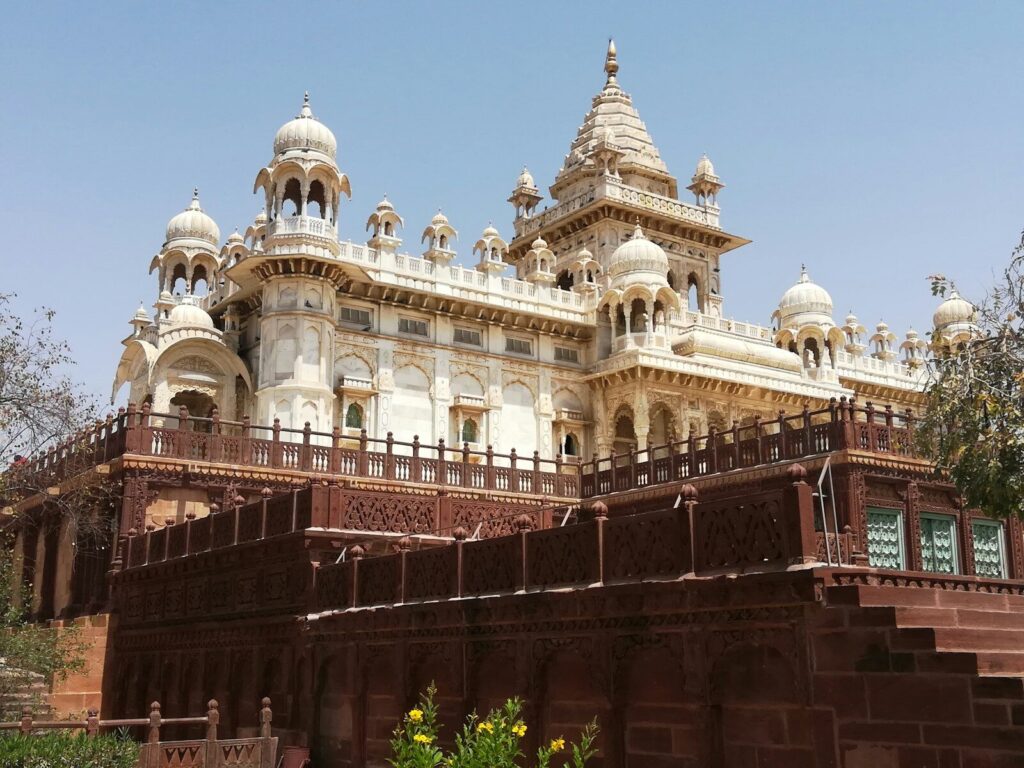
Jaswant Thada is a white marble memorial located close to Mehrangarh Fort.
Built in memory of Maharaja Jaswant Singh II, the structure has a very different atmosphere from the massive sandstone fort nearby.
Its marble surfaces, carved details and quieter setting make it a useful second stop after Mehrangarh.
The grounds also provide views towards parts of Jodhpur and the surrounding landscape. Rajasthan Tourism notes that the site is managed by the Mehrangarh Museum Trust and contains portraits and information relating to Marwar’s rulers.
Umaid Bhawan Palace
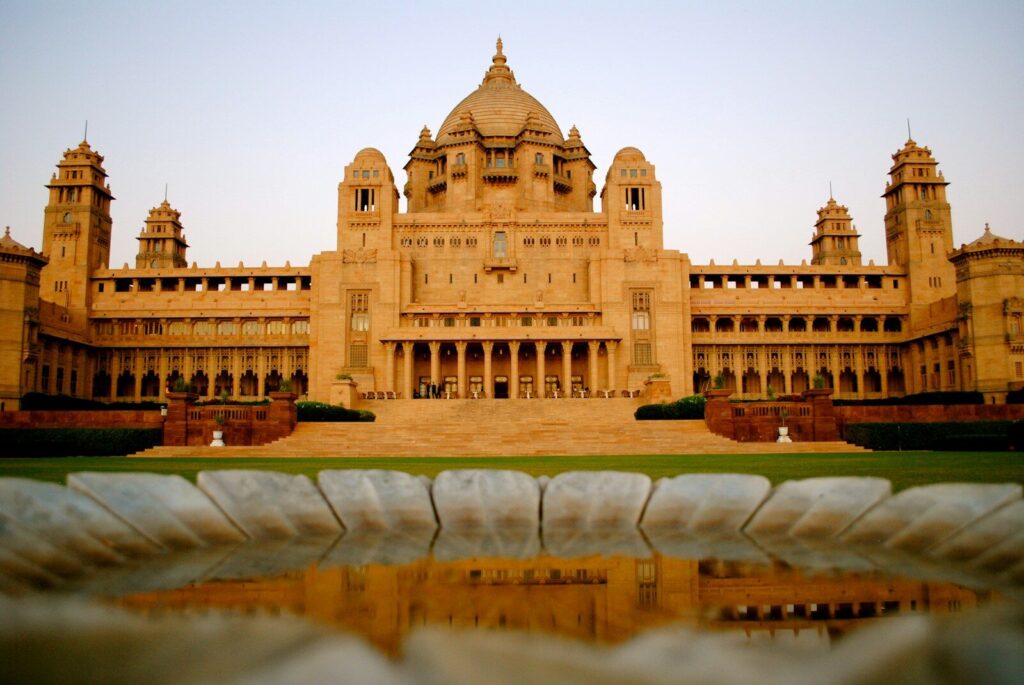
Umaid Bhawan Palace represents a very different period of Jodhpur’s royal history.
Construction began under Maharaja Umaid Singh in the 20th century as a response to famine and employment needs in the region. The building combines Indo-Saracenic, Classical Revival and Western Art Deco influences.
Part of the palace operates as a heritage hotel, while another section houses a museum.
The architecture itself is worth seeing even if you are primarily interested in older Rajasthan.
Clock Tower and Sardar Market
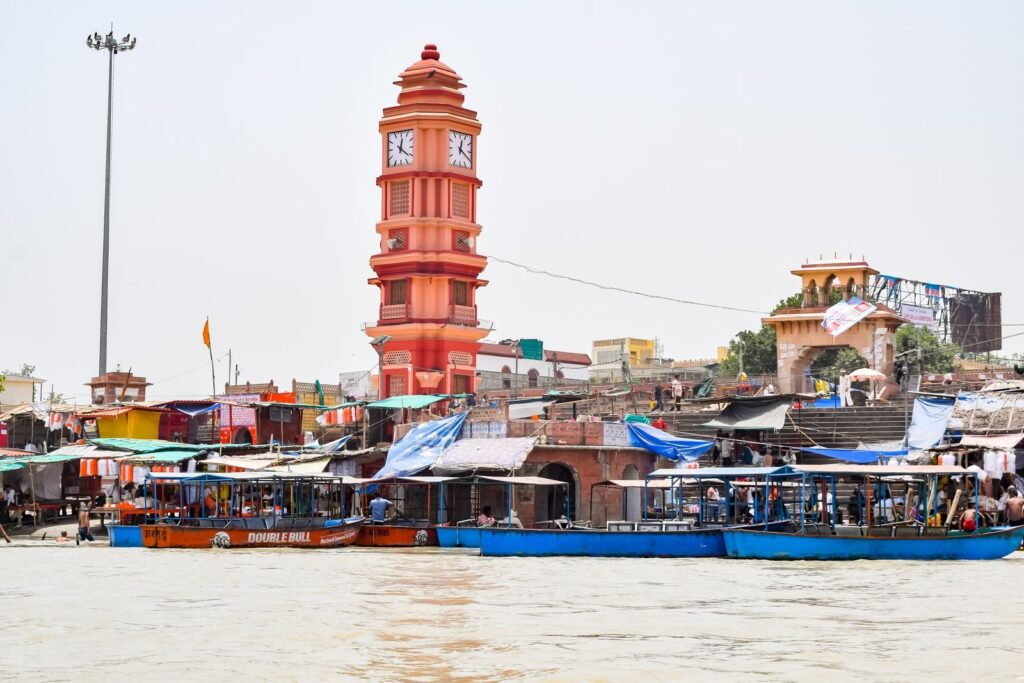
The Clock Tower is one of the most recognisable landmarks in Jodhpur’s old commercial area.
The surrounding Sardar Market is a much more everyday experience than the city’s palaces.
You will find spices, textiles, traditional clothing, jewellery and other local products around the market.
This is a good place to explore on foot, particularly if you want to see how the historic centre functions beyond its monuments.
Rajasthan Tourism also identifies the Clock Tower area as a starting or ending point for heritage walks through the Blue City.
The Blue City
The Blue City is not one specific monument.
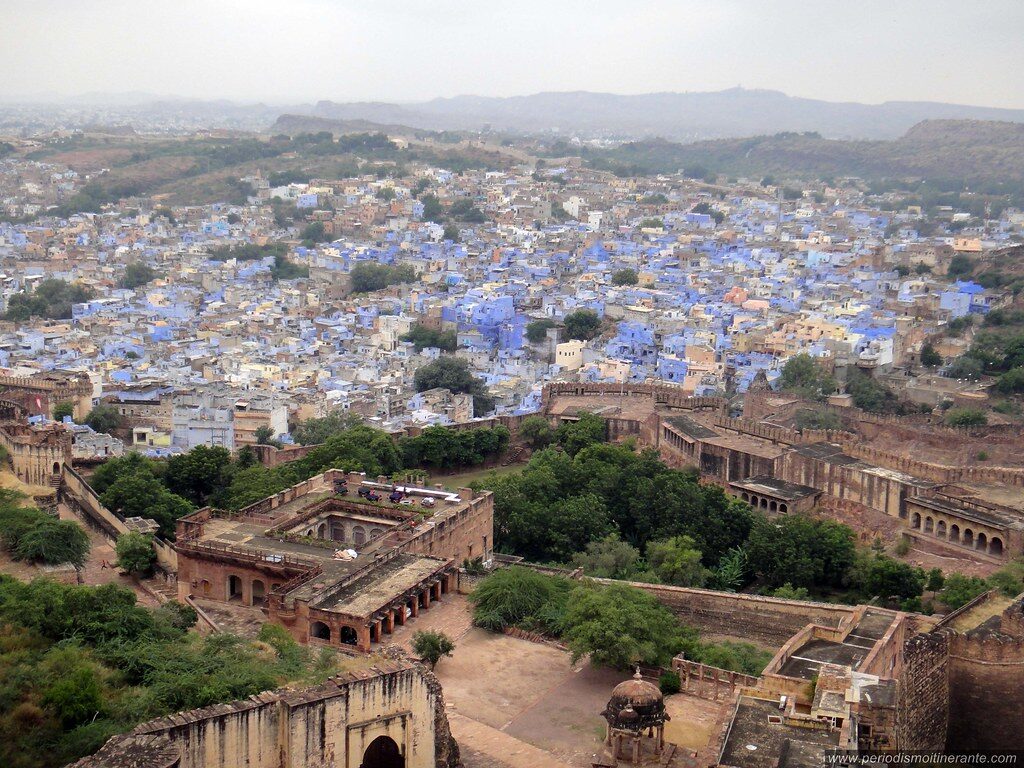
It is the network of old neighbourhoods below Mehrangarh where many houses are painted in shades of blue.
Walking through these streets gives you a better understanding of Jodhpur than simply photographing the skyline from a viewpoint.
The colours, narrow lanes, old houses, small shrines and everyday activity create a very different experience from the formal spaces inside the forts and palaces.
Do not rush this part of the trip.
Give yourself time to walk without trying to turn every street into a checklist.
Mandore Gardens
Mandore was the earlier capital of Marwar before Jodhpur became the main centre.
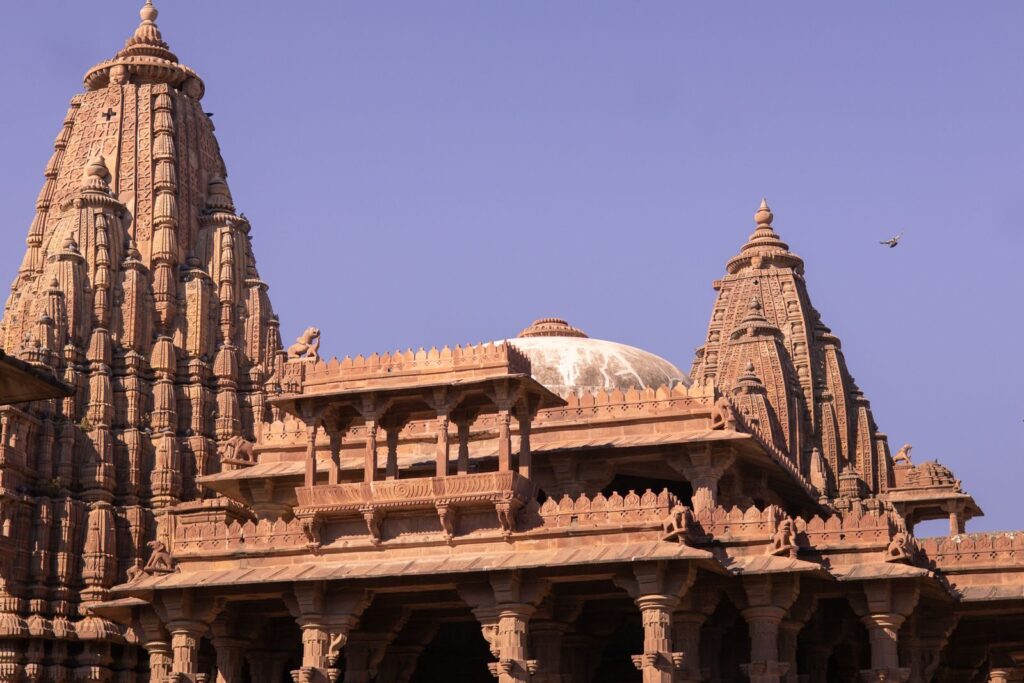
Today, Mandore Gardens contains historic cenotaphs associated with the former rulers of the region, along with temples, gardens and other structures. Rajasthan Tourism identifies the area as an important historical site connected with the earlier capital of Marwar.
Mandore is useful if you want to understand Jodhpur’s history beyond Mehrangarh.
It is also a good option for a second or third day when you have more time.
Rao Jodha Desert Rock Park
Rao Jodha Desert Rock Park sits near the base of Mehrangarh Fort.
The park was created on a large rocky area and focuses on the native landscape of the region.
It provides a different perspective on Jodhpur because the experience is less about royal architecture and more about the desert environment surrounding the city.
If you enjoy walking and landscapes, consider adding it to your Mehrangarh day.
Toorji Ka Jhalra
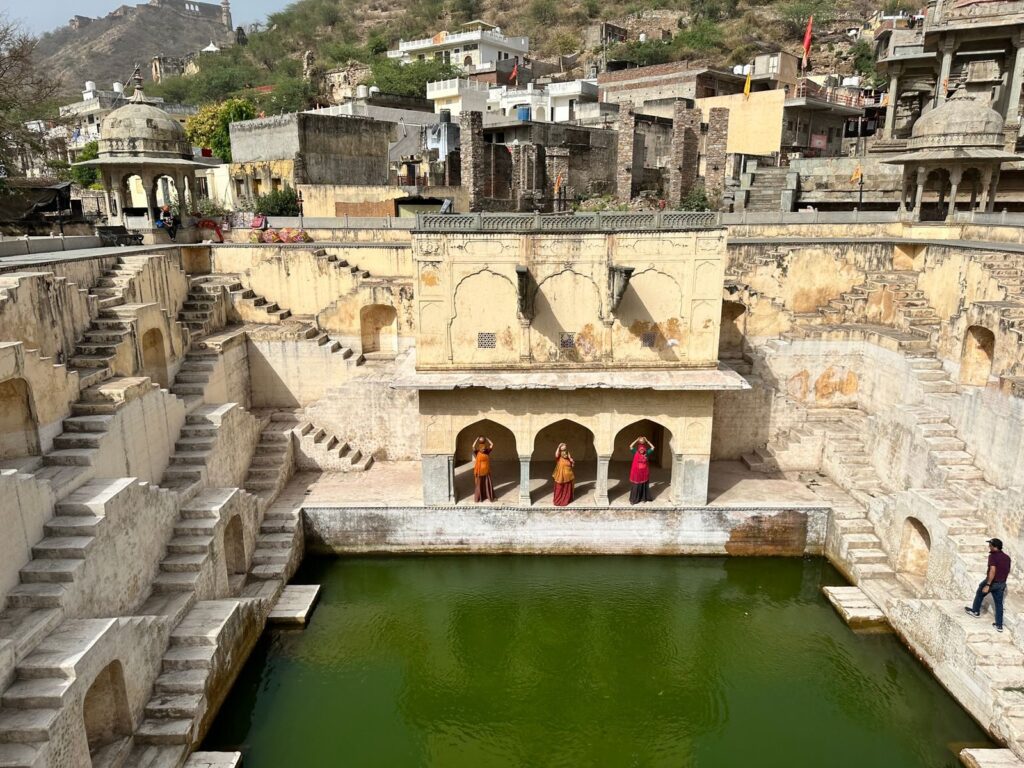
Toorji Ka Jhalra is a historic stepwell in the old city.
Its geometric structure and surrounding lanes make it an interesting short stop while exploring the central area.
Because it is close to other old-city attractions, it does not need a separate half-day.
It works better as part of a walking route through the historic neighbourhoods.
Balsamand Lake
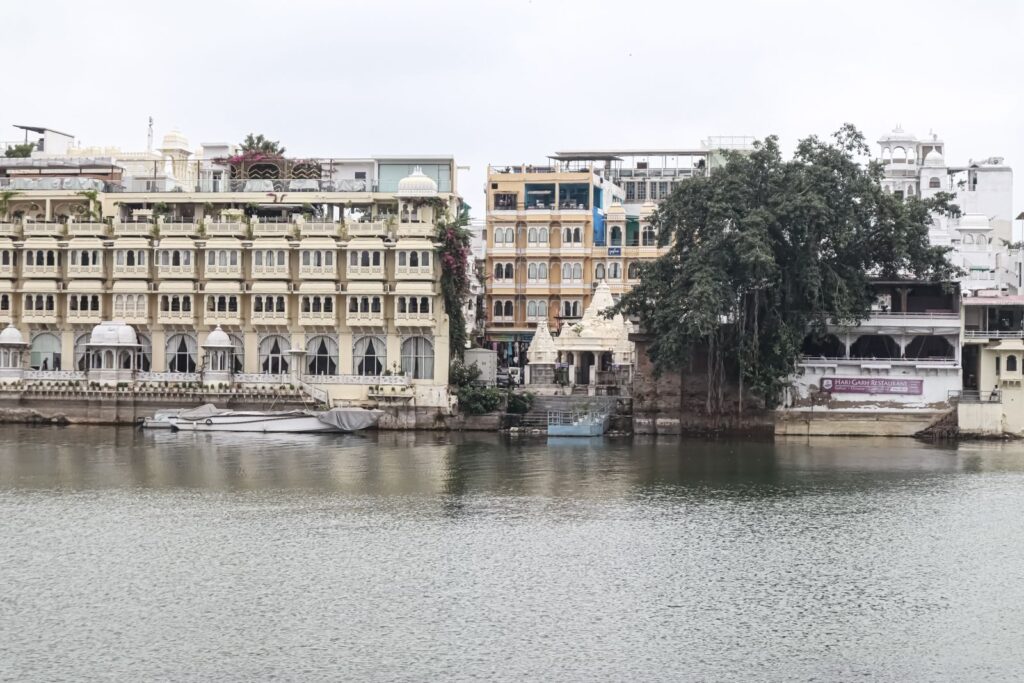
Balsamand Lake lies outside the central old city on the Jodhpur-Mandore road.
The lake was created as a water reservoir and later became associated with the Balsamand Lake Palace.
It provides a quieter change of pace from the fort and market areas.
If you have three days in Jodhpur, Balsamand can work as part of a more relaxed itinerary.
Masuria Hills
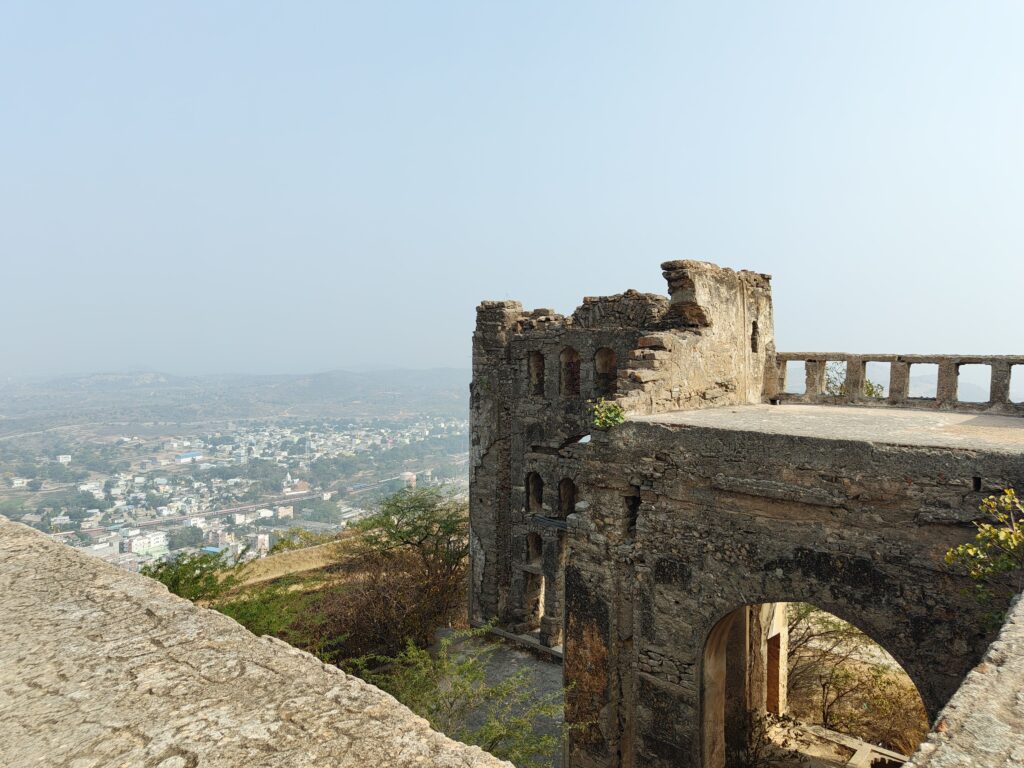
Masuria Hills offers an elevated view across Jodhpur.
The hill is also associated with a historic temple dedicated to Baba Ramdev.
Rajasthan Tourism identifies Masuria Garden as one of the city’s notable gardens and highlights its panoramic city views.
It is an option for travellers looking for another perspective of the city beyond the better-known Mehrangarh viewpoints.
How Many Days Do You Need in Jodhpur?
Two full days are enough for most first-time visitors.
You can comfortably cover Mehrangarh Fort, Jaswant Thada, the old city, Clock Tower, Sardar Market and Umaid Bhawan without trying to squeeze everything into one day.
Three days allow you to add Mandore, Rao Jodha Desert Rock Park, Balsamand Lake or more time exploring the Blue City.
A simple guide:
- 1 day: Major highlights
- 2 days: Main attractions plus old-city exploration
- 3 days: A slower trip with additional sights
Jodhpur 1-Day Itinerary
Morning
Start with Mehrangarh Fort. Give yourself several hours because the fort complex and museum deserve more than a quick visit.
Afternoon
Visit Jaswant Thada after Mehrangarh. Then head towards the old city.
Evening
Explore the Clock Tower and Sardar Market. Spend some time walking through the surrounding streets before dinner.
This itinerary focuses on the parts of Jodhpur that give you the strongest sense of the city.
Jodhpur 2-Day Itinerary
Day 1: Fort and Old City
- Mehrangarh Fort
- Jaswant Thada
- Rao Jodha Desert Rock Park
- Clock Tower
- Sardar Market
- Blue City streets
Keep the day centred around Mehrangarh and the historic centre.
Day 2: Palace and Wider Jodhpur
- Umaid Bhawan Palace
- Mandore Gardens
- Toorji Ka Jhalra
- Additional Blue City exploration
- Local food and markets
You can adjust the order based on opening hours and travel time.
Jodhpur 3-Day Itinerary
Day 1: Mehrangarh and the Old City
- Mehrangarh Fort
- Jaswant Thada
- Rao Jodha Desert Rock Park
- Clock Tower
- Sardar Market
Day 2: Royal Jodhpur
- Umaid Bhawan Palace
- Blue City
- Toorji Ka Jhalra
- Local markets
- Evening around the old city
Day 3: Beyond the Main Attractions
Choose according to your interests:
- Mandore Gardens
- Balsamand Lake
- Masuria Hills
- More time in the Blue City
- Local food experiences
- Shopping
A third day is useful if you prefer exploring at a slower pace rather than collecting as many attractions as possible.
Best Time to Visit Jodhpur
The cooler months are generally more comfortable for sightseeing in Rajasthan.
Winter is particularly useful in Jodhpur because several of the city’s major attractions involve outdoor walking and exposed fort areas.
Winter
Winter is a practical season for exploring Mehrangarh, the old city and markets during the day. It is also a popular period for Rajasthan travel, so expect more visitors at major attractions.
Monsoon
Rain can change the appearance of the landscape around Jodhpur, although rainfall patterns vary. The season can offer a different atmosphere, particularly if you are also travelling through other parts of Rajasthan.
Summer
Jodhpur can become extremely hot during summer. If you travel during this period, start outdoor sightseeing early and avoid planning long walks during the hottest part of the afternoon.
Keep indoor attractions and rest periods in the middle of the day where possible.
How to Reach Jodhpur
Jodhpur is one of the major transport hubs of western Rajasthan.
By Air
Jodhpur Airport serves the city and connects it with major Indian destinations. Check current flight schedules before booking because routes and frequencies can change.
By Train
Jodhpur Junction is an important railway station and is useful for travellers combining Jodhpur with other Rajasthan destinations. Rail can be particularly practical if your itinerary connects Jodhpur with Jaipur, Delhi, Ajmer, Jaisalmer or other major cities.
By Road
Jodhpur has road connections with several major cities across Rajasthan and neighbouring states. Road travel becomes particularly useful if you are combining Jodhpur with destinations such as Jaisalmer, Jaipur or Udaipur.
For a wider Rajasthan trip, compare travel times between destinations before deciding whether rail, road or a private vehicle makes the most sense.
How to Get Around Jodhpur
The old city is best explored partly on foot.
Mehrangarh, Jaswant Thada and the surrounding historic area can be grouped together, while attractions such as Umaid Bhawan and Mandore require additional travel.
Auto-rickshaws and taxis are useful for longer distances. Avoid planning attractions purely based on how close they look on a map.
Traffic, narrow streets and the time required to explore each monument can make a seemingly short route take longer than expected.
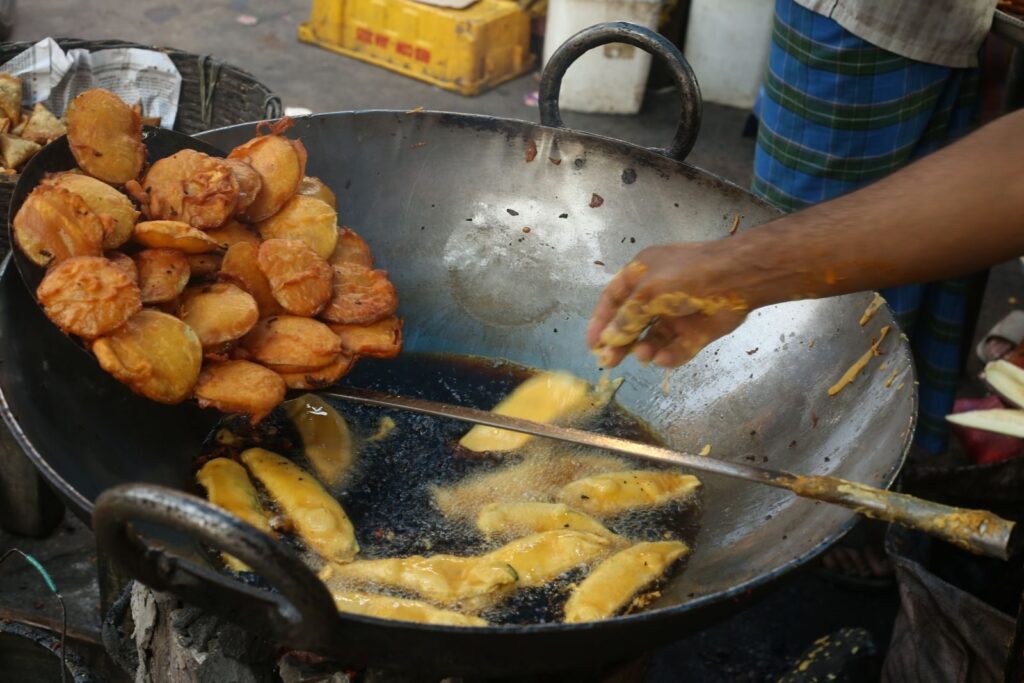
What to Eat in Jodhpur
Jodhpur is one of the better places in Rajasthan to explore local snacks and traditional food.
Look for:
- Makhaniya lassi
- Mirchi bada
- Mawa kachori
- Pyaaz kachori
- Dal baati churma
- Gatte ki sabzi
- Bajra roti
- Ker sangri
- Rabri
For a first visit, spend some time around the old city and markets rather than restricting your meals to hotel restaurants.
Jodhpur’s food culture is closely connected with snacks and sweets, so leave room for smaller stops between major meals.
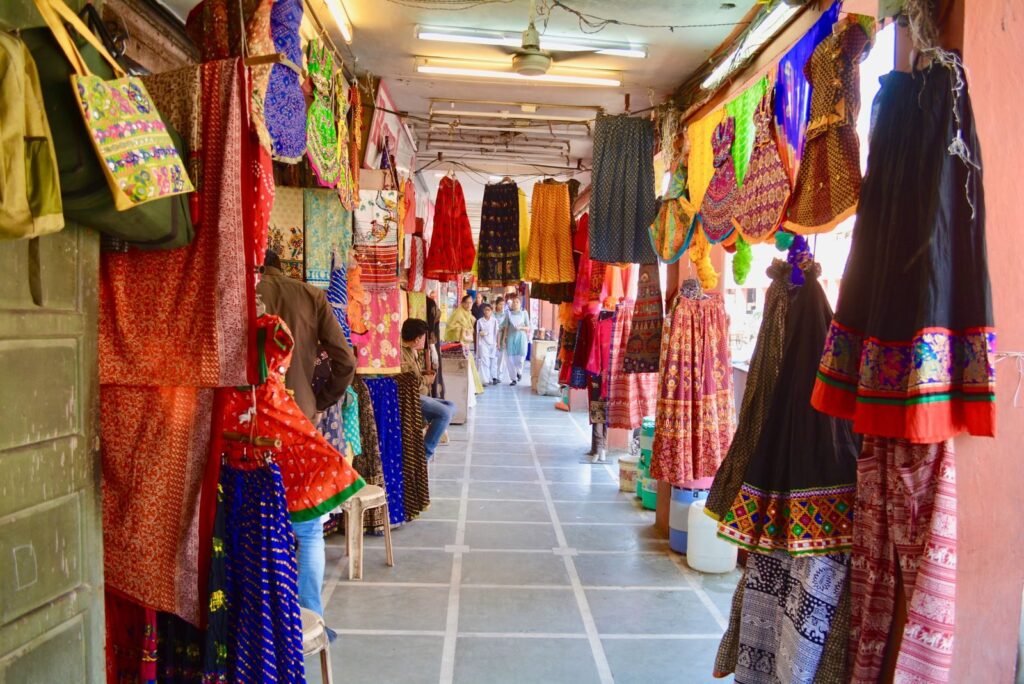
Shopping in Jodhpur
The markets around the old city are useful for traditional Rajasthani products.
You can look for:
- Bandhani textiles
- Mojaris
- Spices
- Handicrafts
- Jewellery
- Traditional clothing
- Decorative items
- Local artwork
Sardar Market is one of the most convenient places to begin because it sits around the Clock Tower. If you are buying higher-value products such as jewellery or textiles, compare prices and quality across more than one shop.
Where Jodhpur Fits Into a Rajasthan Trip
Jodhpur is particularly useful as a middle point in a Rajasthan itinerary. if you want all the recent information you can check Rajasthan Tourism
You can connect it with Jaipur in the east, Udaipur towards the south and Jaisalmer towards the west.
The city also works well as an introduction to the Marwar region before continuing towards the Thar Desert.
If you are planning a wider Rajasthan trip, use our Rajasthan travel guide to compare destinations and build the route around your available time.
Frequently Asked Questions
What are the best places to see in Jodhpur?
The main highlights include Mehrangarh Fort, Jaswant Thada, Umaid Bhawan Palace, the Blue City, Clock Tower, Sardar Market, Mandore Gardens, Rao Jodha Desert Rock Park and Toorji Ka Jhalra.
How many days are enough for Jodhpur?
Two full days are enough for most first-time visitors. Three days are better if you want to explore Mandore, additional viewpoints, markets and areas outside the main sightseeing circuit.
Is Jodhpur good for a 2-day trip?
Yes. A two-day trip can cover Mehrangarh Fort, Jaswant Thada, Umaid Bhawan Palace, the Blue City, Clock Tower and Sardar Market without making the itinerary excessively rushed.
What is Jodhpur famous for?
Jodhpur is particularly known for Mehrangarh Fort, its blue-painted old-city neighbourhoods, Marwar history, traditional markets and royal architecture.
What is the best time to visit Jodhpur?
The cooler months are generally more comfortable for sightseeing. Summer can be very hot, while monsoon offers a different atmosphere but more variable weather.
How do you reach Jodhpur?
Jodhpur can be reached by air, train and road. Jodhpur Airport and Jodhpur Junction connect the city with major destinations, while road travel is useful for Rajasthan itineraries linking Jodhpur with cities such as Jaipur, Udaipur and Jaisalmer.
The TravelTheory Take
Jodhpur is easy to recognise but better understood once you move beyond the famous photographs.
Mehrangarh explains the city’s military and royal history. The Blue City shows how that historic centre developed around the fort. The markets bring the city into the present, while places such as Umaid Bhawan show how Jodhpur continued evolving long after the medieval period.
Give Jodhpur at least two days if you can.
And if you are building a larger Rajasthan trip, place it between destinations rather than treating it as an isolated stop.