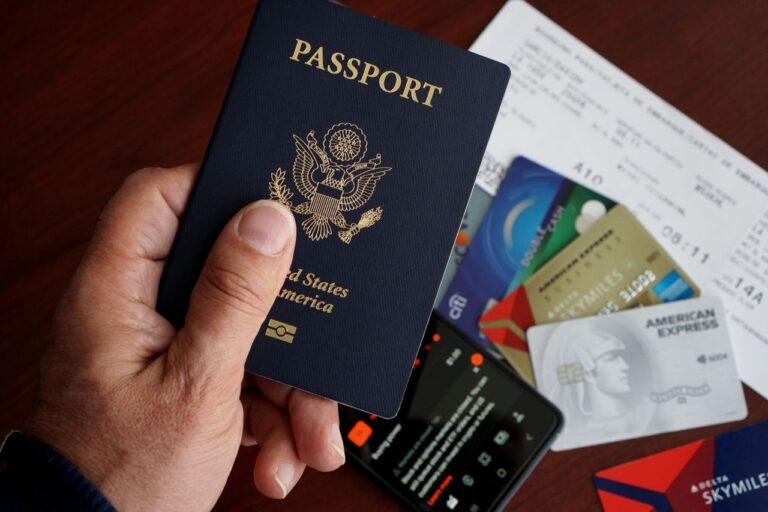
The F‑1 visa is the standard U.S. visa for international students pursuing academic degrees. After securing admission to a SEVP-certified school in the U.S. and obtaining your Form I‑20, you must apply for an F‑1 visa to enter. This involves paying the SEVIS fee, completing the DS‑160 online form, scheduling and attending a visa interview. For Indian applicants, the good news is that as of September 2026 the traditional Duration-of-Status (D/S) rules still apply: a federal court on Sept. 14, 2026 granted a nationwide injunction blocking DHS’s new fixed-term rule. In practical terms, this means Indian F‑1 students will continue to be admitted under D/S (valid for the length of the program plus grace), rather than a shorter fixed period. However, applicants should still plan carefully and follow the latest guidance from U.S. consulates and schools.
F‑1 Visa Basics and Legal Update
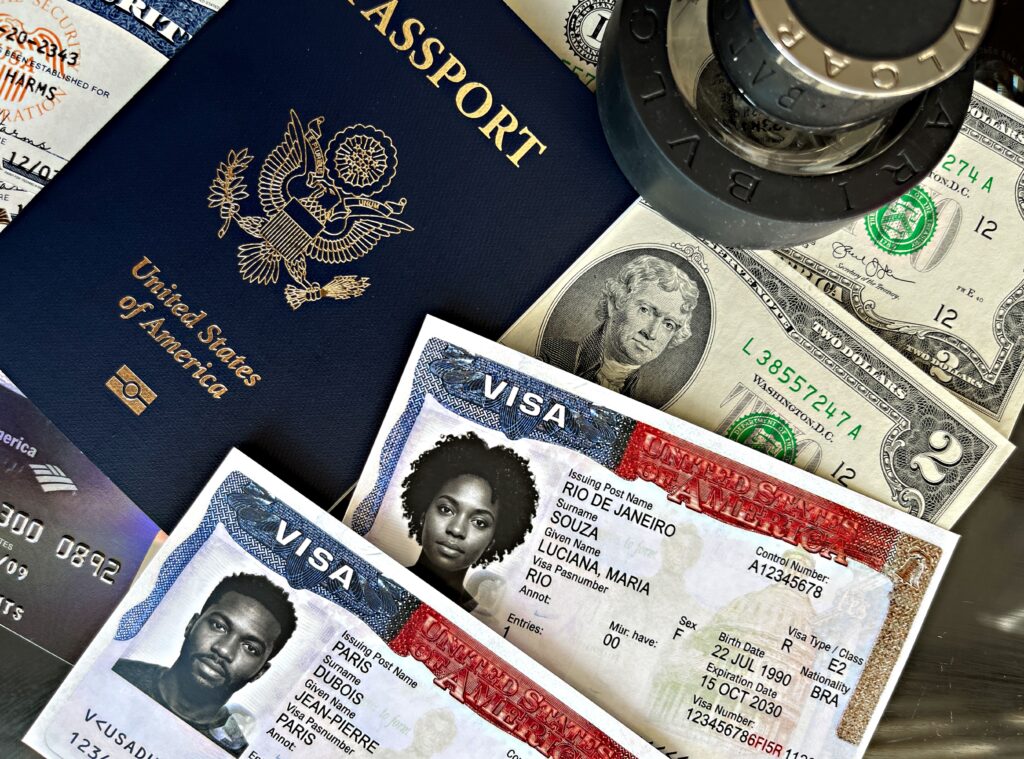
The F‑1 visa covers students at U.S. colleges, universities, language institutes or other academic programs. (A separate M‑1 visa exists for vocational programs.) The U.S. State Department emphasizes that an F or M visa is required before entering to study – you cannot begin a degree program on a tourist (B‑1/B‑2) visa. Once admitted to a U.S. school, the institution will enroll you in the Student and Exchange Visitor Information System (SEVIS) and send you a Form I‑20. You must pay the SEVIS I‑901 fee (currently $350 for F/M students) before the visa interview. The I‑20, when signed by you and your school, is your Certificate of Eligibility and is required at the U.S. consulate.
It’s important to understand the current legal context: in July 2026 DHS published a rule to replace “duration-of-status” with fixed admission periods, but a Massachusetts federal court enjoined that rule on September 14, 2026. Thus for now F‑1 students continue under the familiar D/S framework: you are admitted for the “duration of your studies” and any authorized training. If that injunction is lifted or overturned, procedures could change; until then, Indian students should assume the old rules apply.
Applying for an F‑1 Visa (Step by Step)
- Admission and I‑20: First, apply and be accepted to a SEVP-approved school in the U.S. After acceptance, the school will enter your details in SEVIS and issue a Form I‑20. Check your I‑20 carefully (name spelling, program dates, funding info). You and the school official must sign it.
- Pay the SEVIS fee: Using the I‑20 information, pay the I‑901 SEVIS fee of $350 (for F-1/M-1 students). This payment must be made before your visa interview. You will need to present the SEVIS fee payment confirmation at the interview.
- Complete DS-160: Go to the Consular Electronic Application Center (CEAC) and fill out the DS-160 online visa application form. Provide accurate personal, educational and travel information. At the end, print the DS-160 confirmation page. You will also upload a photo digitally; if the upload fails, bring a printed photo that meets the specs.
- Visa Application Fee: Pay the non-refundable visa application (MRV) fee, currently $185 for F‑1 visas. Indian applicants do not pay any additional visa issuance (“reciprocity”) fee. The F‑1 issuance fee for India is listed as None. In total, expect to pay $185 (visa) + $350 (SEVIS).
- Schedule and prepare for the interview: Once fees are paid, schedule your visa interview at the U.S. Embassy in New Delhi or one of the consulates (Mumbai, Chennai, Hyderabad, Kolkata). The State Department advises that you generally apply for the visa in the country where you live. Appointment wait times fluctuate by location and season, so it’s best to apply early. (U.S. guidance allows new students to obtain a visa up to 365 days before the program start date, but you cannot enter the U.S. more than 30 days before the start.) Prepare by organizing all required documents.
- Attend the interview: At the interview, a consular officer will ask about your academic plans, finances and ties to India. You must convince them that you are a bona fide student and will leave the U.S. after your studies. You should bring your passport, the DS-160 confirmation, visa fee receipt, signed I‑20, SEVIS fee receipt, and the other documents listed below. The officer may also ask for transcripts, test scores, or proof of finances. Answer consistently and truthfully. After the interview, the officer will either approve your visa (and possibly require payment of the issuance fee, which for Indians is none) or request additional administrative processing. If approved, the visa will be stamped in your passport; if delayed, processing can take weeks or more.
Fees and Reciprocity
Indian F‑1 applicants should budget for the following government fees and visa validity:
| Item | Amount | Notes |
|---|---|---|
| Visa application fee (DS-160) | $185 USD | Paid online/at appointment (required) |
| SEVIS I-901 fee | $350 USD | Paid online via FMJ fee site (required) |
| Reciprocity (issuance) fee | $0 (None) | Indian nationals pay no issuance fee |
| Visa validity (Indian F‑1) | 60 months | Multiple-entry visa valid for 60 months |
After paying the fees, keep all receipts. The $185 (nonimmigrant visa) fee is separate from the $350 SEVIS fee and neither is refunded if the visa is denied. The 60-month validity means your F-1 visa stamp will allow multiple entries over five years; however, actual length of stay on each entry is governed by your I-94 admission stamp and program dates, not the visa expiration.
Required Documents for Your Interview
Be prepared with the documents listed below. A U.S. consulate will not issue an F‑1 visa without reviewing these key items:
| Document | Notes |
|---|---|
| Passport | Valid at least 6 months beyond your intended stay. |
| Form DS-160 confirmation | Printout of the submitted DS-160 confirmation page. |
| Visa fee receipt | Proof of payment of the $185 application fee (if paid in advance). |
| SEVIS fee receipt | Proof that you paid the $350 I-901 SEVIS fee (Form I-901 payment confirmation). |
| Form I-20 | Certificate of Eligibility (signed by you and your school). |
| Passport photo | 2×2 inch (5×5 cm) photo, as per U.S. specifications. (Upload done in DS-160). |
| Transcripts/diplomas | Academic records from previous schools (especially those required by your U.S. program). |
| Test scores | (TOEFL, IELTS, SAT, GRE, etc.) if required by your U.S. university. |
| Financial documents | Bank statements, scholarship letters or sponsor documents showing you can cover tuition & living expenses. |
| Ties to India | Optional evidence of intent to return (property, family, job prospects). Officers often ask about post-study plans. |
The exact documents can vary by consulate, so check the specific instructions on the Indian U.S. Embassy site. In addition to the above, bring any official acceptance letter from your school, and any evidence of ties to India (family, job offers, etc.) if you have it. The officer may also ask about your study plans and sources of funding, so be prepared to explain these clearly and consistently.
What to Expect at the Interview
During the interview, the consular officer’s main goals are to verify that you are a genuine student and to check your eligibility under U.S. law. Key areas of focus include your academic background, financial plan, and intent to return home after studies. For example, you might be asked why you chose a particular program or university, how it fits your goals, and how you will pay for it. If your parents or relatives are funding your education, you should understand the amounts and perhaps have their financial statements ready. Officers are not looking for scripted answers; instead, be honest and ensure that what you say matches your application. Inconsistencies (e.g. between your DS-160 and interview) can cause problems.
Remember that an F‑1 visa is a nonimmigrant visa: you are expected to intend to leave the U.S. after completing your course. By law, you should be prepared to explain this intent, though the conversation is usually informal. It’s not about reciting a clever answer; rather, don’t express plans that contradict the temporary nature of the visa. One telling point: the State Dept may specifically ask for evidence that you will depart after your program or training.
Finally, be aware of the expanded vetting rules: all F‑1 applicants now undergo online/social-media review. You are instructed to set your social media accounts to “public” or “open” before the interview. The consulate may ask for your social media handles as part of the DS-160. This does not mean a single post will make or break your case, but it’s a legal requirement to facilitate background checks. In short, make sure your provided information is accurate and consider cleaning up any potentially problematic content before applying.
Working in the U.S. on F‑1 Status (CPT, OPT and STEM OPT)
F‑1 students may work under certain conditions, but the visa itself does not permit unrestricted employment. On-campus jobs (up to 20 hours/week during school) are generally allowed. Off-campus work requires special authorization:
- Curricular Practical Training (CPT): This is work or internship that is integral to your curriculum. It must be authorized by your school’s international office and noted on your Form I-20. CPT can be part-time or full-time. However, note that accumulating 12 months of full-time CPT will eliminate your eligibility for OPT. Part-time CPT (≤20 hours/week) does not affect OPT eligibility. Always get written approval from your Designated School Official before starting CPT.
- Optional Practical Training (OPT): After completing your degree, you may apply for OPT to work in your field of study. F-1 students are generally allowed up to 12 months of OPT per degree level (pre- or post-completion combined). A 12-month STEM OPT extension is available for eligible Science, Technology, Engineering, or Math graduates, giving up to 24 additional months of work authorization (subject to DHS rules). To begin OPT, you must file Form I-765 with USCIS and wait for an EAD card. You cannot start working on OPT until USCIS approves it. (See USCIS STUDY §New Student Employment rules.)
- After studies (grace period): Once you finish your program (and any authorized OPT), you generally have a 60-day grace period to prepare to leave or change status. For example, if your degree ends May 15, your I-20 (and status) automatically expires 60 days later (around July 15). Within this 60-day window you may travel in the U.S., transfer to a new school, apply for a change of status, or depart. Overstaying past the grace period can void your visa and incur penalties.
Always maintain your F-1 status during study: enroll full-time, update SEVIS with any address changes, and renew your I-20 before it expires. If you plan to extend your studies (e.g. add a new degree) or stay longer for employment, you may need to file for an extension of stay with USCIS well before your current I-20 ends. Under the current D/S rules (which remain in force for now), you simply stay in valid status as long as your I-20 is active; if DHS’s fixed-term rule eventually takes effect, the procedures may change (e.g. requiring extensions of stay).
India-Specific Considerations
Indian applicants should note a few local factors:
- Visa Validity and Reciprocity: As noted above, Indian nationals receive multiple-entry F‑1 visas valid up to 60 months. There is no extra issuance fee for Indians. In practice this means you can re-enter the U.S. for up to five years on one visa stamp (provided you maintain F‑1 status). Remember, however, that your stay is tied to your program dates, not the visa expiration.
- Appointment Timing: The demand for student visas in India is high. U.S. posts in India have variable wait times. The State Department advises checking the official visa appointment wait time tool and booking early. Don’t wait until the last month – availability can change quickly. Students often begin scheduling their visa interview as soon as they have the I-20. Remember, even though you can get a visa up to a year ahead, you still cannot enter the U.S. more than 30 days before classes start.
- Location for Interview: It’s best to apply in your country of residence. For most Indian students, that means choosing the U.S. Embassy in New Delhi or Consulates in Mumbai, Chennai, Hyderabad or Kolkata. The State Department notes that applying outside your home country can make it harder to demonstrate eligibility.
- Administrative Processing: Some visa applications require extra security checks (“administrative processing”). This can especially affect applicants in certain sensitive fields (e.g. research involving biotechnology, electronics, etc.) or those with unusual circumstances. If your application needs additional processing, the consulate will notify you at the end of the interview. Unfortunately there’s no fixed timeline for this – it can take weeks to months. Plan accordingly and apply early enough to allow for possible delays.
- Online Presence: As of March 30, 2026 the U.S. began collecting and reviewing social media identifiers for visa applicants and requires applicants to set those profiles public. All Indian F‑1 applicants should be prepared to list their social media accounts on the DS-160 and ensure their privacy settings allow inspection.
- Consult Reliable Sources: For the latest updates and guidance, check the websites of the U.S. Embassy in India and EducationUSA. The embassy site often has country-specific instructions. For example, in mid-2026 some Indian consulates launched an online Visa Wizard tool to help applicants prepare their document packages (search “U.S. Visa Wizard India”). Also watch for announcements from your school’s international office, as they will know of any policy changes.
F‑1 Visa Application Timeline
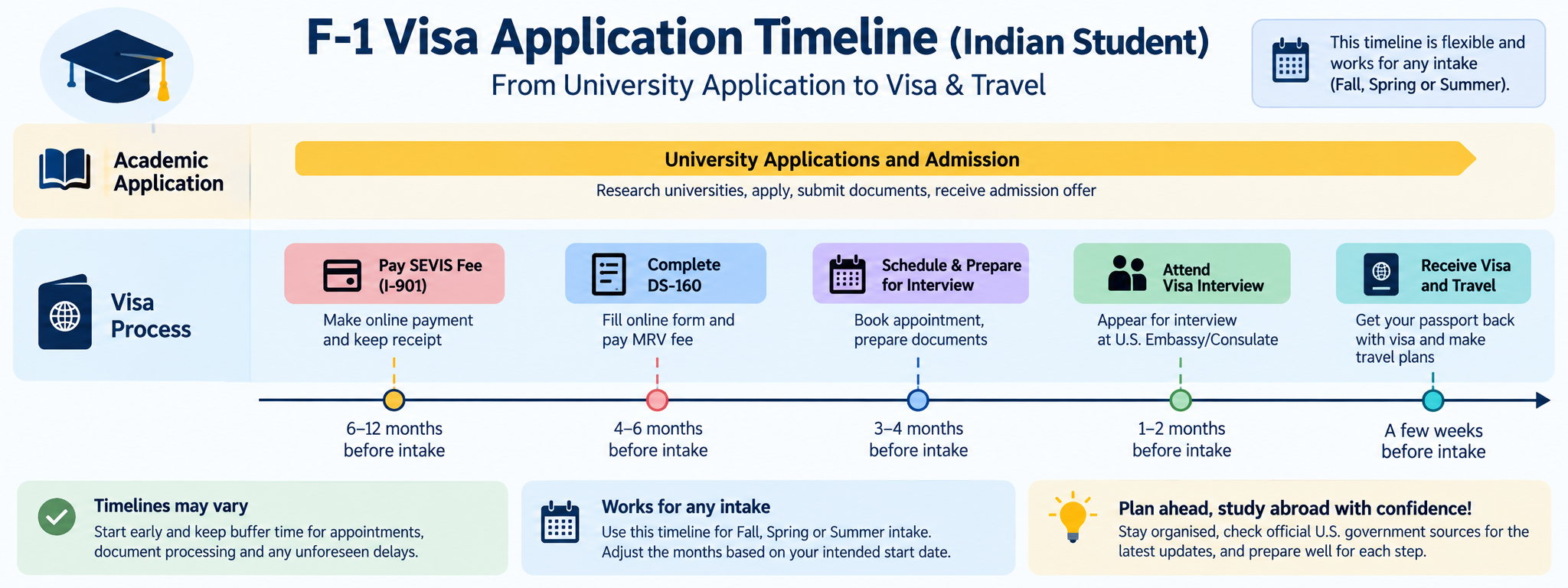
This rough roadmap illustrates a typical timeline (actual dates may vary). Key points: begin college applications many months before school starts; secure your I-20 by spring or summer; pay SEVIS well before the interview; finish the DS-160 and fee payment a few weeks before interviewing; schedule the interview as soon as possible; allow time after the interview for visa processing; and plan travel no more than 30 days before your program begins.
Practical Checklist for Indian Applicants
- Before Interview: Secure admission and I-20, pay SEVIS, fill DS-160, pay visa fee.
- Documents: Gather passport, I-20, DS-160 page, fee receipt, academic transcripts, finance proofs, photo, etc.
- Understand Your Application: Be ready to explain your study choice, funding sources, and post-graduation plans.
- Interview Prep: Practice clear, honest answers. Confirm basic details (program name, start date, sponsor).
- Online Presence: Review and clean up your social media; set profiles to public.
- Monitor Visa Updates: Track any changes (the Sept 14 court action is an example of a late-breaking change).
- Plan Travel: Remember the 30-day entry rule and buy your plane ticket only after visa issuance.
Final Notes
Obtaining an F‑1 visa is ultimately about demonstrating that you are a serious student with a plan and resources. Follow each step carefully, be consistent in your information, and communicate clearly. As of September 17, 2026, the key details for Indian students are: a $185 visa fee, $350 SEVIS fee, no issuance fee, multiple-entry visa valid 60 months, mandatory social-media review, and the current Duration-of-Status rules. Because of the court’s preliminary injunction, do not rely on any guidance that assumes DHS’s new fixed-term rule is in force. Always check official U.S. government sources (State Dept, ICE/SEVP, USCIS) and your school’s international office for the latest rules.
By staying informed, preparing thoroughly, and asking questions at your embassy or university if anything is unclear, you can avoid common pitfalls. With proper planning, you can secure your F‑1 visa smoothly and focus on starting your studies in the U.S.
References
- U.S. Department of State, “Student Visa” (guide to the F and M visa process)
- U.S. Department of State, Visa Reciprocity (India) – F‑1 visa validity and fees
- U.S. Department of State, “Announcement of Expanded Screening and Vetting for Visa Applicants” (March 2026)
- U.S. Department of State, official visa fee schedule
- U.S. State Department, student visa application instructions
- Seyfarth Shaw LLP, “Federal Court Temporarily Blocks DHS ‘Duration of Status’ Rule” (Sept. 2026)
- Wheaton College International Student Services (CPT/OPT summary)