Pushkar is one of Rajasthan’s most distinctive towns, where pilgrimage, temples, lakes, markets and desert landscapes come together in a compact setting. The attractions in Pushkar are not limited to its famous Brahma Temple and sacred lake. The town also has historic temples, hilltop viewpoints, traditional markets and cultural experiences that make it worth spending more than a few hours here.
Located close to Ajmer and surrounded by the Aravalli hills, Pushkar has a character that feels quite different from larger Rajasthan cities such as Jaipur and Jodhpur. The town is deeply connected with Hindu pilgrimage, while its cafés, markets and laid-back streets have also made it popular with travellers looking for a slower stop in Rajasthan. Rajasthan Tourism describes Pushkar as one of India’s oldest cities and highlights its religious and architectural heritage.
Pushkar is also known for its annual Pushkar Fair, a major cultural and livestock event held around Kartik Purnima.
This guide covers the main places to visit, how much time you need, practical itineraries, the best time to visit, food, shopping and how Pushkar fits into a wider Rajasthan trip.
Pushkar at a Glance
| Category | Details |
|---|---|
| State | Rajasthan |
| Region | Ajmer district |
| Known for | Pushkar Lake, Brahma Temple, temples and markets |
| Famous for | Pilgrimage and Pushkar Fair |
| Ideal stay | 1 to 2 days |
| Best for | Culture, temples, history, food and relaxed exploration |
| Major attractions | Pushkar Lake, Brahma Temple, Savitri Temple, Varaha Temple |
| Nearest major city | Ajmer |
| Nearest airport | Kishangarh Airport |
| Main travel style | Walking, temple visits and slow exploration |
Pushkar sits at around 510 metres above sea level and is surrounded by hills on three sides, with Nag Pahar forming the natural divide between Pushkar and Ajmer.
Why Pushkar Is Worth Visiting
Pushkar is different from the larger palace-and-fort destinations of Rajasthan.
Its centre revolves around a sacred lake and the temples surrounding it. The town’s narrow streets lead to ghats, shrines, markets and small cafés, while the surrounding hills provide a completely different perspective from the busy lakefront.
For religious travellers, Pushkar is an important pilgrimage destination.
For other travellers, the town offers an opportunity to experience a smaller side of Rajasthan without spending the entire day moving between large monuments.
The annual Pushkar Fair adds another dimension to the destination, but you do not need to visit during the fair to understand the town.
Attractions in Pushkar
Pushkar is compact enough that several major attractions can be explored on foot.
The key is to avoid treating every temple as a separate sightseeing stop. Instead, combine the lake, ghats, temples and old streets into one walking route.
Pushkar Lake
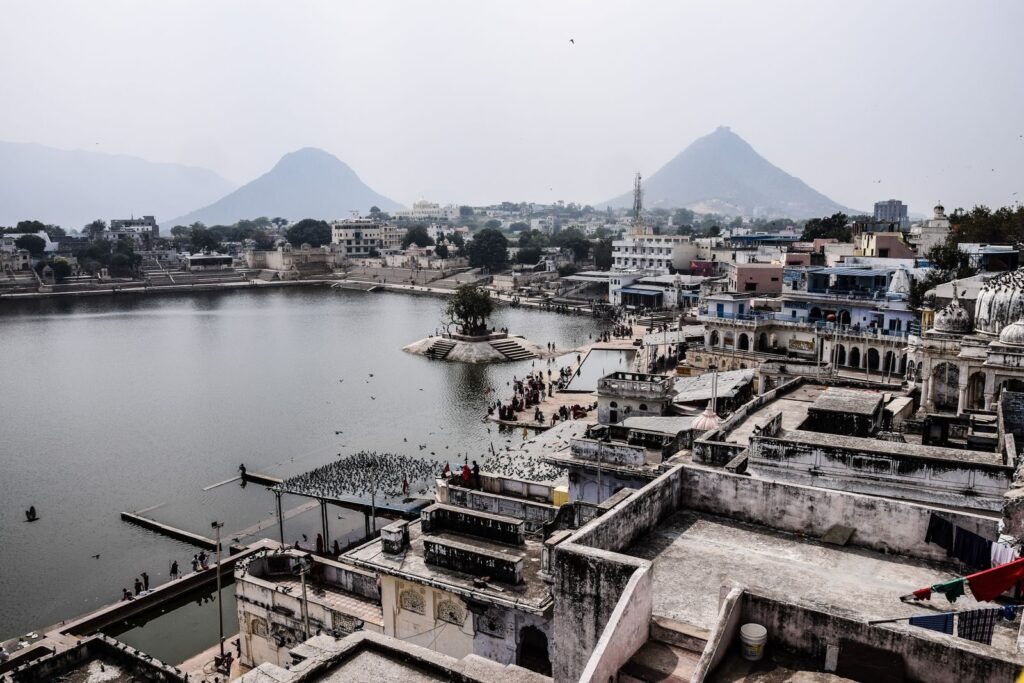
Pushkar Lake is the centre of the town.
According to Rajasthan Tourism, the lake is surrounded by 52 bathing ghats and more than 500 temples, making it the heart of Pushkar’s religious landscape.
The ghats are best experienced respectfully and without treating the area simply as a photo opportunity.
Spend some time walking around the lake and observing the different ghats and surrounding temples.
The atmosphere changes considerably during the evening when prayers and ceremonies take place around the water.
Brahma Temple
The Brahma Temple is Pushkar’s most important religious landmark.
Rajasthan Tourism identifies it as a temple dedicated to Lord Brahma and notes that the current structure dates to the 14th century, although the site has a much older history.
The temple is particularly significant because temples dedicated to Brahma are extremely rare.
Its red shikhara and distinctive hamsa imagery make it easy to recognise from the surrounding streets.
If you visit, remember that this is an active place of worship rather than simply a historic monument.

Savitri Temple
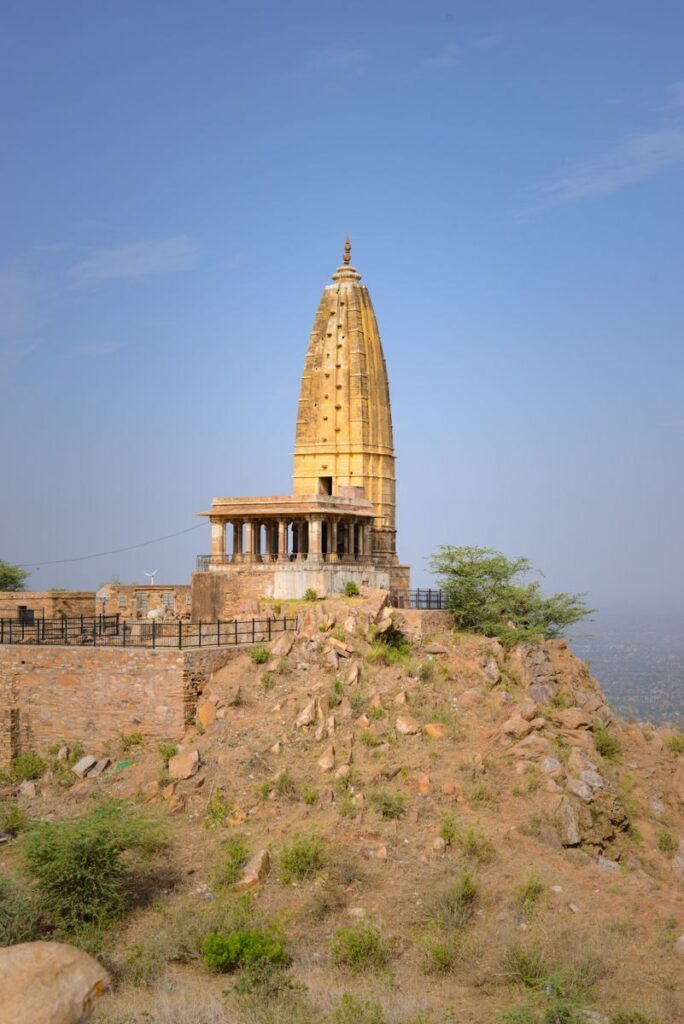
Savitri Temple sits on a hill behind the Brahma Temple.
The climb provides increasingly broad views across Pushkar Lake, the surrounding temples and the desert landscape.
Rajasthan Tourism notes that a ropeway provides access to the temple and that the elevated location offers panoramic views over Pushkar.
You do not need to be particularly interested in the temple’s mythology to appreciate the viewpoint.
For many visitors, the landscape from the hill is the main reason to make the trip.
Varaha Temple
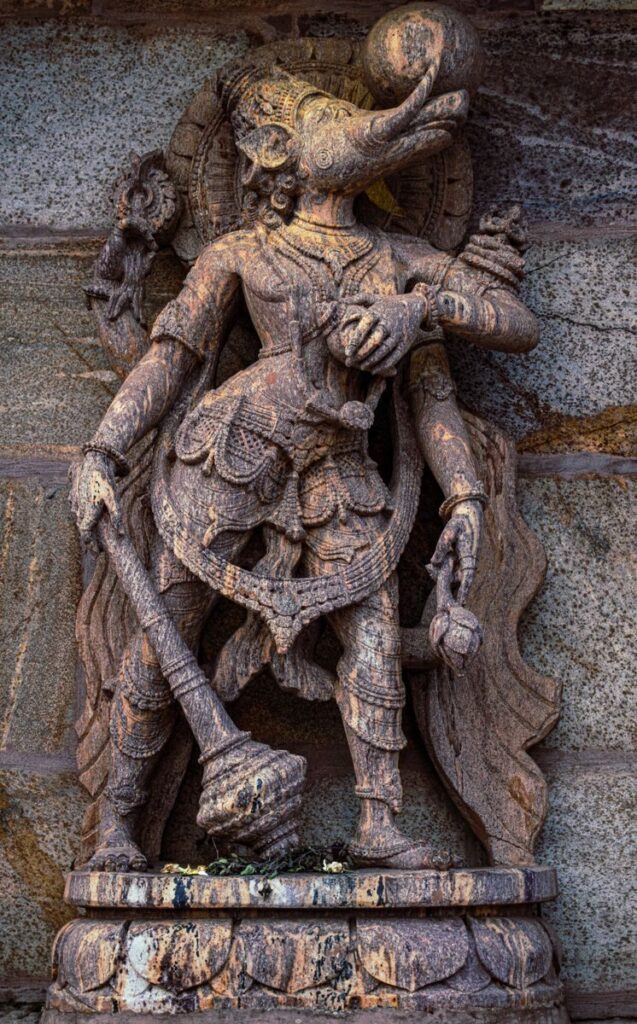
Varaha Temple is one of Pushkar’s important historic temples.
The temple is dedicated to Varaha, the boar incarnation of Lord Vishnu, and Rajasthan Tourism describes it as one of the oldest and most significant temples in Pushkar.
Its location within the town makes it easy to include during a walking tour around Pushkar Lake.
Rangji Temple
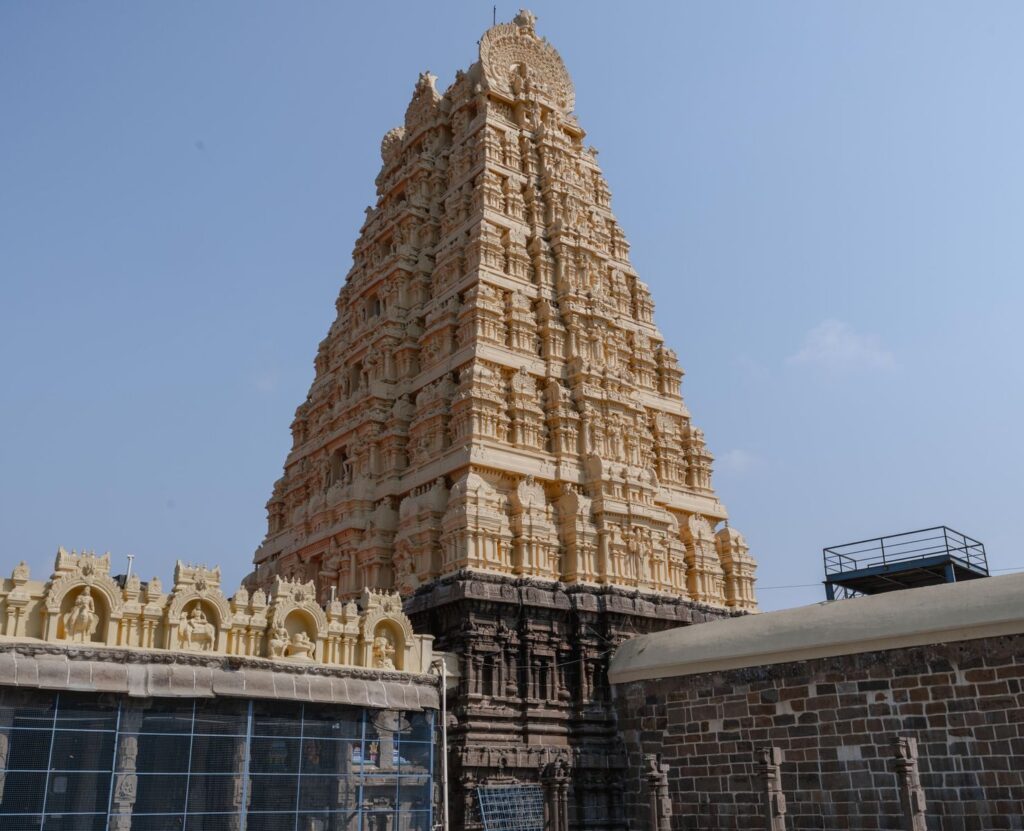
Rangji Temple stands out because of its mixture of architectural influences.
Rajasthan Tourism highlights the presence of South Indian, Rajput and Mughal architectural elements, along with the temple’s prominent gopuram.
It is a useful stop if you want to see how different architectural traditions appear within Pushkar’s religious landscape.
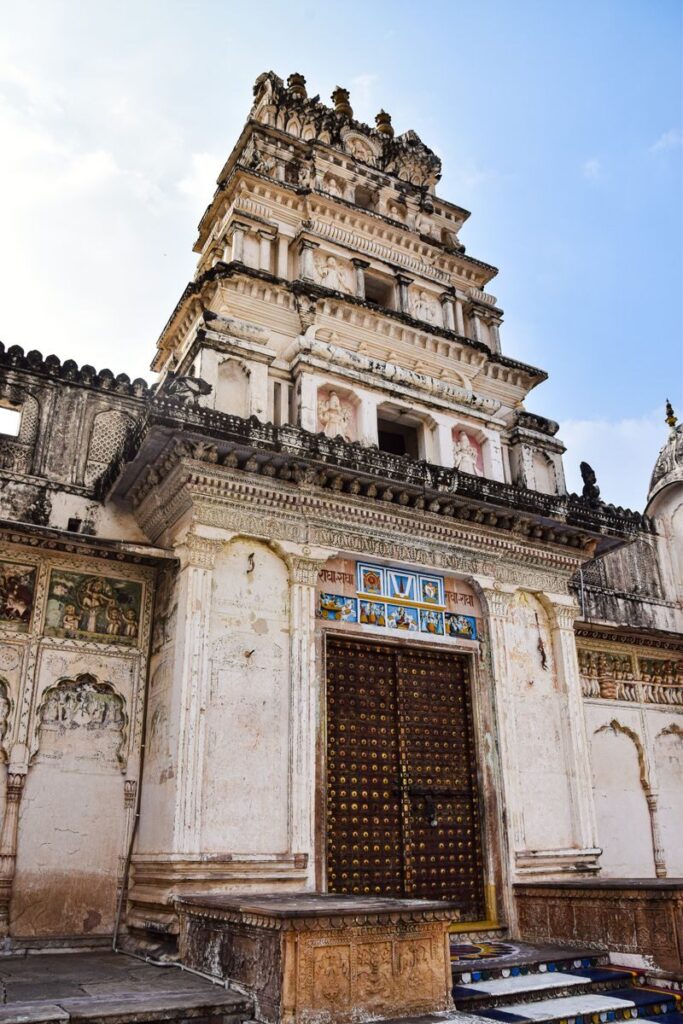
Atmateshwar Temple
Atmateshwar Temple is an older Shiva temple located near Pushkar Lake.
Rajasthan Tourism dates the temple to the 12th century and notes its underground section and Hemadpanti-style architectural details.
The temple is particularly busy during Shivratri.
For a first-time visitor, it can be included as part of a broader temple walk rather than planned as a separate excursion.
Gurudwara Singh Sabha
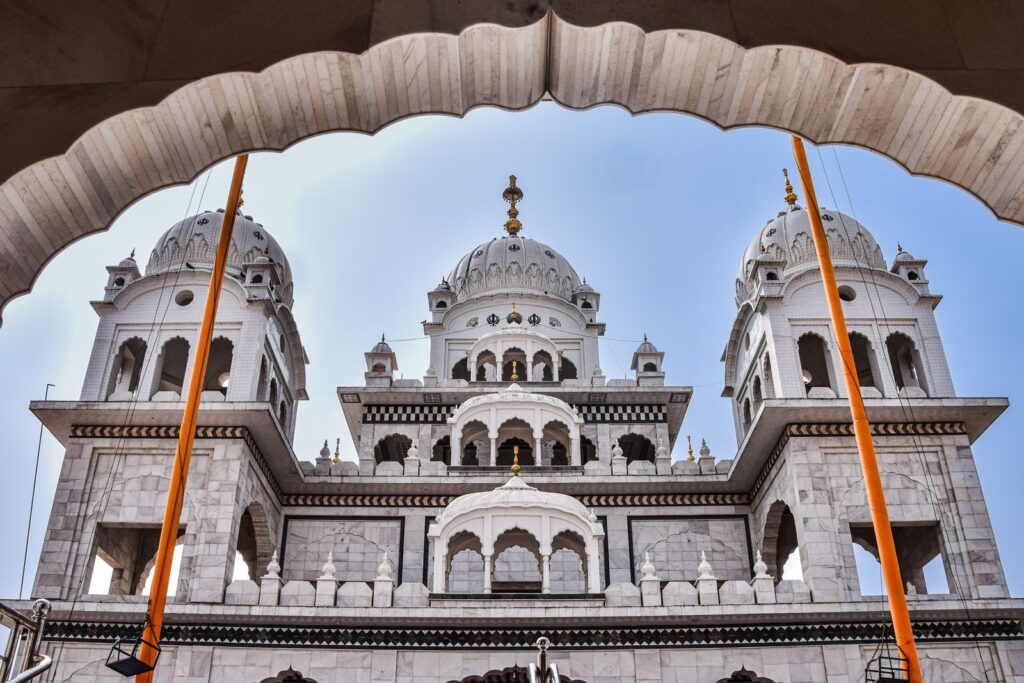
Gurudwara Singh Sabha is located in the eastern part of Pushkar.
The gurdwara was built in the early 19th century in connection with visits by Guru Nanak Dev and Guru Gobind Singh, according to Rajasthan Tourism.
It adds another layer to Pushkar’s religious history beyond its Hindu temples.
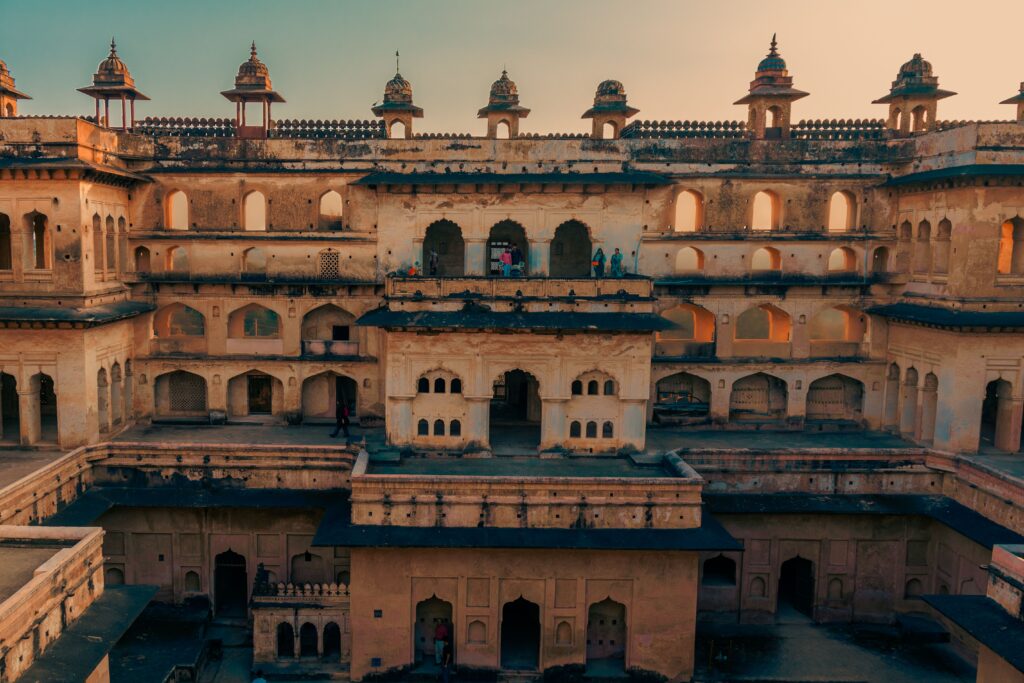
Man Mahal
Man Mahal is one of Pushkar’s historic palace buildings.
It was built as a guest house associated with Raja Man Singh I and features traditional Rajasthani architectural elements.
The building has since been converted into a heritage hotel, while its location provides views towards Pushkar Lake and the surrounding temples.
It is more relevant for travellers interested in architecture and heritage stays than those looking for another major temple.
Pushkar’s Old Markets
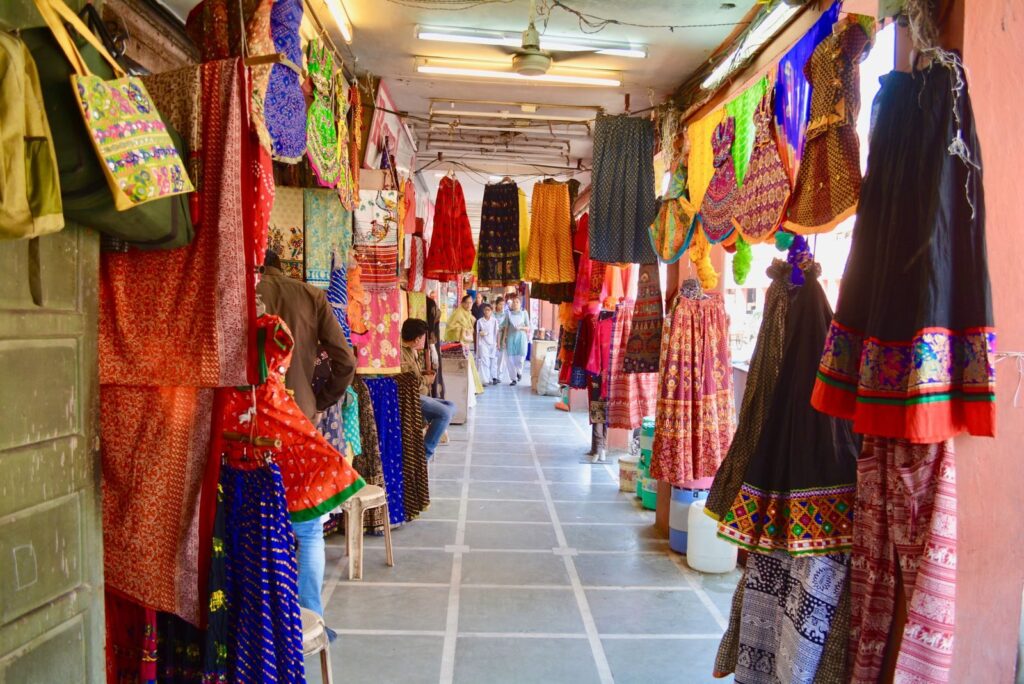
Pushkar’s markets are part of the experience rather than simply a place to buy souvenirs.
The main market area around Sadar Bazaar contains shops selling silver jewellery, textiles, embroidered clothing, leather goods and decorative products.
The narrow streets around the lake are also lined with cafés, small shops and religious stores.
Take your time here rather than trying to cover the market as quickly as possible.
Pushkar Fair
The Pushkar Fair is one of Rajasthan’s most recognisable cultural events.
The annual event combines a livestock and camel fair with religious activity, cultural performances and large numbers of visitors. Rajasthan Tourism describes it as a five-day camel and livestock fair held annually around the Kartik Purnima period.
The town becomes considerably busier during the event.
If you are specifically travelling for the fair, accommodation and transport should be planned well in advance.

Things to Do in Pushkar Beyond the Main Attractions
Pushkar does not require a packed sightseeing schedule. Some of the best experiences involve simply spending time in the town.
Walk Around Pushkar Lake
Walking around the lake is one of the easiest ways to understand the town. Move between the different ghats, observe the architecture and take time to see how pilgrimage shapes everyday life.
Watch the Evening Prayers
Evening prayers around the ghats can be one of the more atmospheric moments of a Pushkar visit.
Rajasthan Tourism specifically highlights evening prayers at Varah Ghat as an experience worth seeing. Rajasthan Tourism Visitors should remain respectful, particularly around active religious ceremonies.
Take the Savitri Ropeway
The ropeway to Savitri Temple provides an easier alternative to climbing the hill entirely on foot. The main reason to make the trip is the view over Pushkar Lake and the surrounding landscape.
Explore the Markets
Pushkar’s compact centre makes it easy to combine sightseeing and shopping.
Spend some time browsing rather than buying immediately. Compare prices for jewellery, textiles and handicrafts before making larger purchases.
Try Local Vegetarian Food
Pushkar is a vegetarian town, with plenty of Indian food and cafés catering to travellers. Rajasthan Tourism highlights street foods such as kachori and samosa, along with sweets and drinks including malpua and lassi.
How Many Days Do You Need in Pushkar?
One full day is enough for the main attractions.
Two days are better if you want to explore the town without rushing, spend more time around the lake and add the Savitri Temple or nearby experiences.
A simple guide:
- Half day: Lake and Brahma Temple
- 1 day: Main temples, lake and markets
- 2 days: Full Pushkar experience at a slower pace
Pushkar also works well as an overnight stop between Jaipur, Ajmer and Jodhpur.
Pushkar 1-Day Itinerary
Morning
Start around Pushkar Lake.
Visit:
- Pushkar Lake
- Brahma Temple
- Varaha Temple
- Rangji Temple
Keep the morning focused on the central town.
Afternoon
Explore the markets and old streets. Stop for lunch at one of the local vegetarian restaurants or cafés.
Evening
Head towards Savitri Temple or use the ropeway for the hilltop view. Return towards the lake for evening prayers and a slower walk through the town.
Pushkar 2-Day Itinerary
Two days give you more breathing room.
Day 1: Lake and Temples
- Pushkar Lake
- Brahma Temple
- Varaha Temple
- Rangji Temple
- Atmateshwar Temple
- Old markets
- Evening prayers
Day 2: Hills and Slow Exploration
- Savitri Temple
- Savitri Ropeway
- Man Mahal
- Gurudwara Singh Sabha
- Local markets
- Cafés and food
If you are visiting during the Pushkar Fair, the itinerary will need to be adjusted because the town becomes much busier.
For travellers planning a wider Rajasthan route, our Rajasthan travel guide can help you see how Pushkar fits alongside Jaipur, Jodhpur, Udaipur, Jaisalmer and Mount Abu.
Best Time to Visit Pushkar
The cooler months are generally the most comfortable for walking around Pushkar and exploring its temples and markets.
Rajasthan Tourism specifically identifies October to February as the preferred period for camping around Pushkar because the summer heat is less of an issue.
Winter
Winter is the most comfortable period for sightseeing. It is also when Pushkar can become particularly busy, especially around the Pushkar Fair. Book accommodation early if your dates overlap with the fair.
Monsoon
The monsoon can bring some greenery to the surrounding hills and a different atmosphere to the town. Crowds are generally less intense than during major festival periods.
Summer
Summer can be very hot, particularly during the afternoon. If you visit during this period, start your outdoor sightseeing early and leave the middle of the day for indoor spaces, food and rest.
How to Reach Pushkar
Pushkar is easy to combine with Ajmer because the two towns are only a short distance apart.
By Air
Kishangarh Airport near Ajmer is the nearest airport serving the wider Pushkar and Ajmer region. Flight availability varies, so check current schedules before planning your trip around air travel.
By Train
Ajmer is the most useful railway connection for Pushkar. Rajasthan Tourism notes that buses operate from Ajmer station to Pushkar and that taxis and tuk-tuks are also available.
By Road
Road travel is straightforward from Ajmer and practical from Jaipur and other Rajasthan destinations.
Pushkar is particularly easy to add to a Rajasthan itinerary because of its location between Jaipur and western Rajasthan. Rajasthan Tourism’s suggested itinerary connects Jaipur with Pushkar and then continues towards Jodhpur.
How to Get Around Pushkar
Pushkar’s central area is compact. Walking is often the simplest way to move between the lake, temples, markets and surrounding streets.
For the Savitri Temple, you can either walk up the hill or use the ropeway when operating. For attractions outside the centre, auto-rickshaws and taxis are practical options.
Avoid trying to drive through the narrowest market streets yourself.
What to Eat in Pushkar
Pushkar’s food scene is strongly vegetarian because of its religious character.
Some foods worth trying include:
- Kachori
- Samosa
- Malpua
- Lassi
- Dal baati churma
- Gatte ki sabzi
- Thali
- Traditional Rajasthani sweets
The cafés around the lake and old town also make Pushkar an easy place to take a slower lunch or evening break.
Shopping in Pushkar
Pushkar’s markets are particularly known for affordable traditional goods.
Look for:
- Silver jewellery
- Embroidered clothing
- Textiles
- Leather products
- Bags
- Handicrafts
- Decorative items
- Rajasthani accessories
Sadar Bazaar is one of the main shopping areas. Prices can vary, so compare before buying.
If you are purchasing silver jewellery or higher-value handicrafts, ask about material and workmanship rather than judging only by appearance.
Frequently Asked Questions
What are the main attractions in Pushkar?
The main attractions include Pushkar Lake, Brahma Temple, Savitri Temple, Varaha Temple, Rangji Temple, Atmateshwar Temple, Man Mahal and the old markets.
How many days are enough for Pushkar?
One full day is enough for the major attractions. Two days are better if you want to explore at a slower pace and include the Savitri Temple, markets and additional cultural experiences.
What is Pushkar famous for?
Pushkar is best known for its sacred lake, Brahma Temple, religious importance and annual Pushkar Fair.
Is Pushkar worth visiting for non-religious travellers?
Yes. While religion is central to Pushkar’s identity, travellers can also explore its architecture, markets, food, hills and cultural atmosphere.
What is the best time to visit Pushkar?
October to February is generally comfortable for exploring Pushkar. The exact experience depends on whether you want cooler sightseeing weather or want to attend the Pushkar Fair. for more information you can check Rajasthan tourism website
How do you reach Pushkar?
The easiest route for many travellers is through Ajmer. Pushkar can be reached from Ajmer by bus, taxi or tuk-tuk, while road connections also make it practical from Jaipur and other Rajasthan destinations.
The TravelTheory Take
Pushkar is best experienced slowly. The lake, temples, markets and surrounding hills are close enough to explore without constantly relying on transport, and the town’s religious character gives it a different rhythm from Rajasthan’s larger cities. For travellers building a wider Rajasthan itinerary, the attractions in Pushkar make it a worthwhile stop between Jaipur and Jodhpur rather than simply a quick detour.