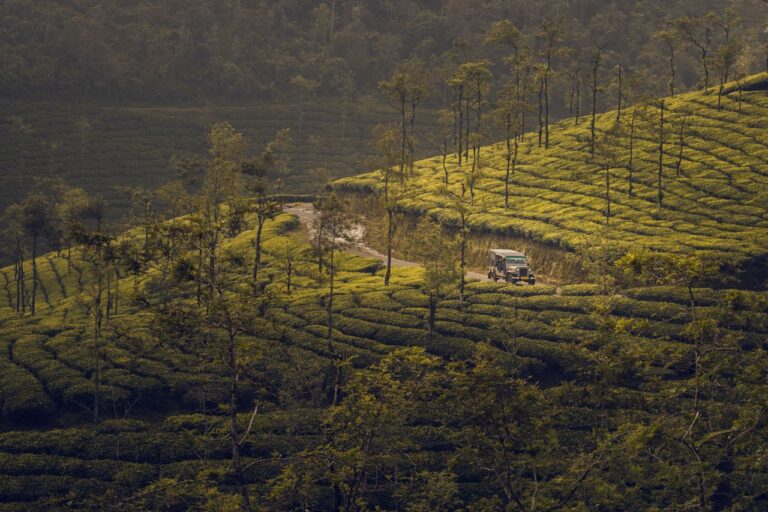
Mount Abu feels very different from the Rajasthan most travellers picture. Instead of desert landscapes and grand forts, you get forested hills, rocky viewpoints, a lake surrounded by greenery and cooler mountain air. The places to visit in Mount Abu range from the intricate Dilwara Jain Temples and the high point of Guru Shikhar to Nakki Lake and quiet spots across the Aravalli hills.
Located in the Aravalli Range, Mount Abu is Rajasthan’s only hill station and sits at around 1,722 metres above sea level. Its combination of natural scenery, religious sites and cooler climate makes it a useful change of pace on a longer Rajasthan trip.
For most first-time visitors, two days are enough to see the major sights without turning the trip into a checklist.
Mount Abu at a Glance
| Detail | Information |
|---|---|
| State | Rajasthan |
| Region | Aravalli Range |
| Known For | Hill station, Nakki Lake, Dilwara Jain Temples, Guru Shikhar |
| Elevation | Around 1,722 metres |
| Best For | Nature, temples, views, short getaways |
| Ideal Stay | 2 to 3 days |
| Nearest Railway Station | Abu Road |
| Nearest Major Airport | Maharana Pratap Airport, Udaipur |
| Main Local Areas | Nakki Lake, Mount Abu market, Guru Shikhar, Achalgarh |
Why Mount Abu Is Worth Visiting
Mount Abu adds something different to a Rajasthan itinerary.
The landscape changes almost immediately. The dry plains give way to wooded hills and rocky terrain, and the higher elevation creates a noticeably cooler environment. This has made Mount Abu a popular retreat for travellers looking for a break from the heat of Rajasthan.
The town also has an unusual mix of attractions. You can spend the morning looking at detailed marble carvings inside the Dilwara Jain Temples, head towards Guru Shikhar for mountain views and finish the evening around Nakki Lake.
Its religious importance is another reason people visit. Jain temples, Hindu temples and sites associated with local legends are spread across the hill station and its surrounding areas.
Mount Abu also fits naturally into a wider Rajasthan route. Rajasthan Tourism itself includes Mount Abu in itineraries connecting Udaipur, Ranakpur and Jodhpur.
Places to Visit in Mount Abu
1. Nakki Lake
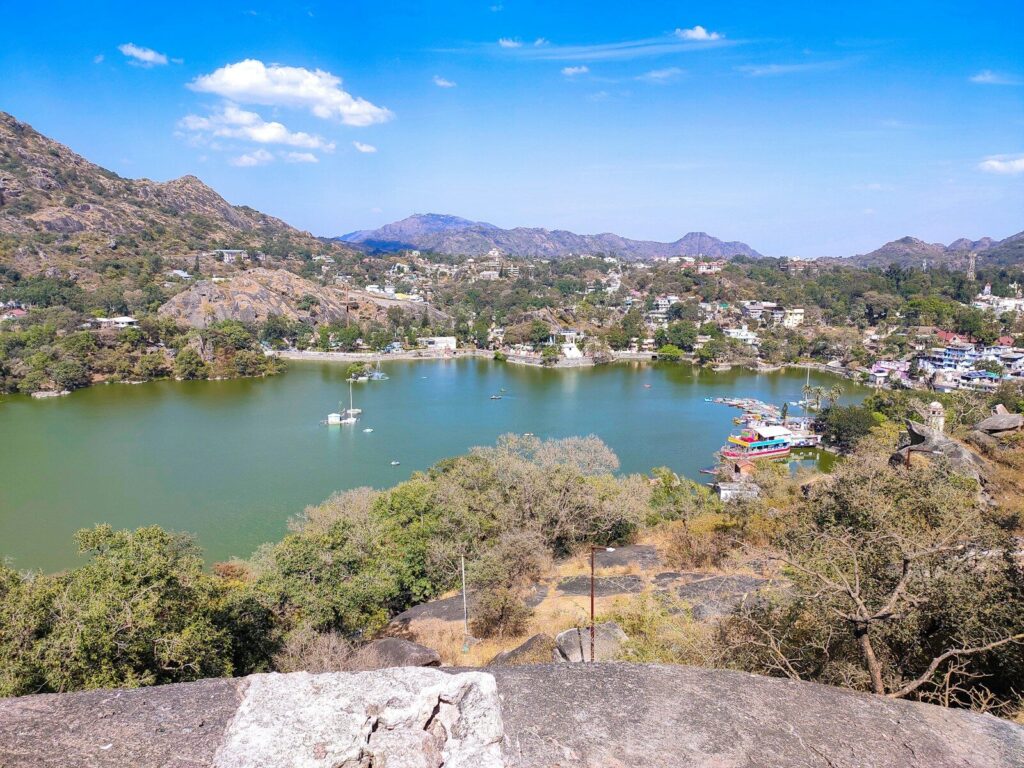
Nakki Lake is the centre of Mount Abu’s tourist area and one of the easiest places to include in your itinerary.
The lake is surrounded by hills and unusual rock formations, with boating available for visitors. The area around the lake is also popular for evening walks, especially when the weather is pleasant.
Toad Rock is located close to the lake, so both attractions can easily be covered together.
The lake also has cultural significance. Rajasthan Tourism notes its association with the Garasia community and the Gandhi Ghat area, where part of Mahatma Gandhi’s ashes were immersed.
Best for: Boating, evening walks, photography and relaxed sightseeing.
2. Dilwara Jain Temples
The Dilwara Jain Temples are among the most important attractions in Mount Abu and one of the main reasons architecture enthusiasts visit the hill station.
The temple complex consists of five Jain temples built between the 11th and 13th centuries. They are particularly known for their detailed white marble carvings, with intricate work visible across pillars, ceilings, doorways and other parts of the interiors.
The temples are around 2.5 kilometres from Mount Abu.
This is an attraction worth giving proper time to. The details in the marble work are the main experience, so rushing through the complex can make the visit feel far less meaningful.
Best for: Architecture, history, Jain heritage and detailed craftsmanship.
3. Guru Shikhar
Guru Shikhar is the highest point in the Aravalli Range, rising to approximately 1,722 metres.
A series of steps leads to the summit, where the temple dedicated to Guru Dattatreya is located. The site has religious importance, but many visitors also come for the broad views over the surrounding hills.
The Physical Research Laboratory’s observatory is also located in the Guru Shikhar area.
The climb is manageable for most visitors, but comfortable footwear is a good idea.
Best for: Mountain views, spirituality and photography.
4. Toad Rock
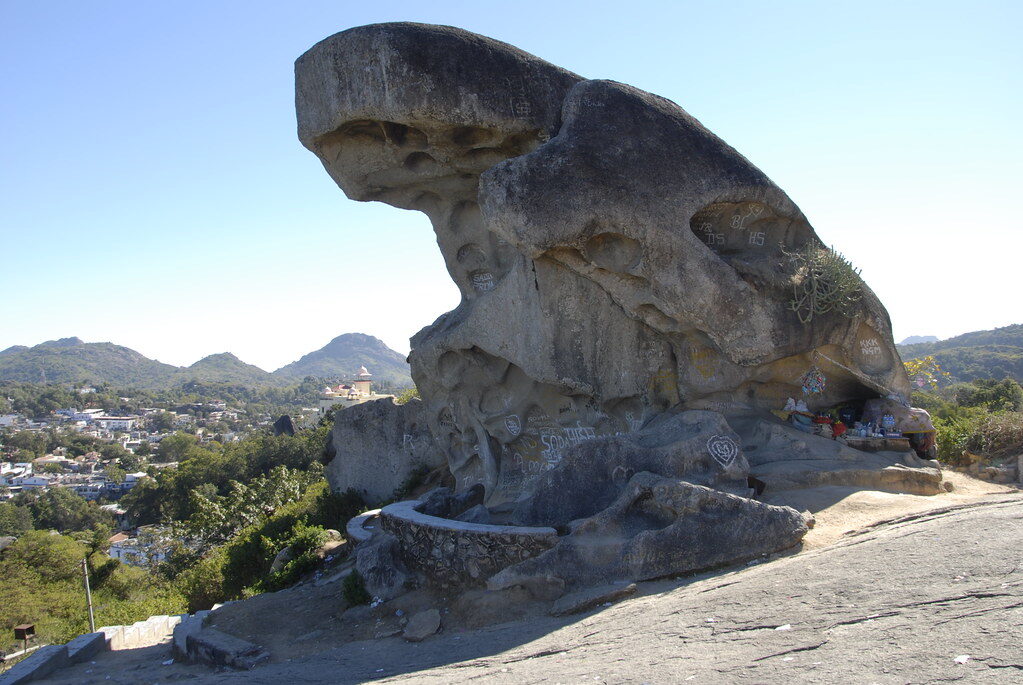
Toad Rock is one of Mount Abu’s most recognisable natural formations.
Located near Nakki Lake, the large rock resembles a toad and has become something of a symbol of the hill station. A short climb takes you to the rock and provides views towards Nakki Lake and the surrounding hills.
It is easy to combine with Nakki Lake, making both attractions practical to cover during the same part of the day.
Best for: Short walks, photographs and lake views.
5. Mount Abu Wildlife Sanctuary
The Mount Abu Wildlife Sanctuary covers around 288 square kilometres across part of the Aravalli landscape.
The sanctuary protects subtropical forest and supports a range of flora and fauna. Rajasthan Tourism lists species including Indian fox, pangolin, grey jungle fowl, striped hyena and leopard among the wildlife found in the area.
Wildlife sightings are never guaranteed, so it is better to visit for the forest environment and landscape rather than expecting a particular animal encounter.
The sanctuary is particularly appealing if you want to see a side of Mount Abu beyond the main tourist centre.
Best for: Nature, forests and wildlife.
6. Peace Park
Peace Park is located between Guru Shikhar and Achalgarh and is associated with the Brahma Kumaris organisation.
The park has landscaped gardens, an orchard, a rock garden and areas designed for quiet recreation and meditation.
It is a slower experience compared with the busier attractions around Nakki Lake. If you have already covered the main sightseeing spots, Peace Park works well as a peaceful stop during the afternoon.
Best for: Gardens, quiet surroundings and meditation.
7. Achalgarh Fort
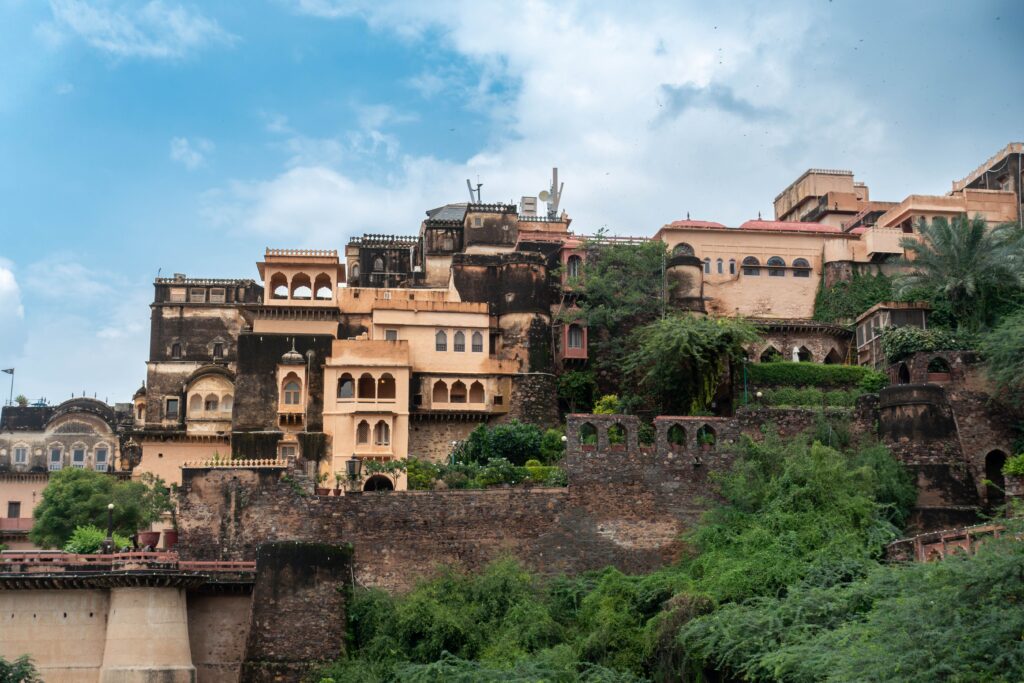
Achalgarh lies north of the main Mount Abu town and is associated with the history of the region’s ruling dynasties.
Rajasthan Tourism notes that the fort was renovated and renamed Achalgarh by Maharana Kumbha in 1452.
The fort is also close to Achaleshwar Mahadev Temple, making it practical to combine both places during the same excursion.
The fort is not as extensively restored as some of Rajasthan’s better-known heritage sites. Visitors should come mainly for the historical setting, surrounding hills and nearby religious sites.
Best for: History, ruins and surrounding landscapes.
8. Achaleshwar Mahadev Temple
Located near Achalgarh Fort, Achaleshwar Mahadev Temple is an important Shiva temple associated with several local religious traditions and legends.
The temple is particularly interesting for travellers who want to experience the religious side of Mount Abu beyond the better-known Dilwara temples.
As with many pilgrimage sites, some stories surrounding the temple belong to local tradition and mythology rather than established historical records. They are still an important part of how the place is understood by devotees and visitors.
Best for: Religious heritage, local traditions and temple architecture.
9. Sunset Point
Watching the sun go down over the Aravalli hills is one of the simplest experiences to add to a Mount Abu itinerary.
The elevated landscape creates wide views across the surrounding hills, and sunset is a popular time to visit.
During weekends and holidays, the more popular viewpoints can become crowded. Arriving a little early gives you more time to find a comfortable spot instead of reaching just before sunset.
Best for: Sunset views, photography and an easy evening activity.

10. Mount Abu Market and Nakki Lake Area
The attractions of Mount Abu are not limited to monuments and viewpoints.
The market around Nakki Lake is where you will find restaurants, cafés, souvenir shops, handicrafts and local products. It is also one of the liveliest parts of the town in the evening.
This is a good place to slow down after sightseeing. Walk around the market, try some local food and spend some time near the lake instead of immediately moving to another attraction.
Best for: Shopping, food, evening walks and local atmosphere.
How Many Days Do You Need in Mount Abu?
One Day
You can see the major highlights in one day, but the schedule will be fairly tight.
A possible route is:
Morning: Dilwara Jain Temples → Guru Shikhar
Afternoon: Achalgarh → Achaleshwar Mahadev Temple
Evening: Nakki Lake → Toad Rock → Sunset Point
This works if Mount Abu is only a short stop during a larger Rajasthan trip.
Two Days
Two days is the most practical option for first-time visitors.
You can divide the trip into:
Day 1: Dilwara Jain Temples → Guru Shikhar → Peace Park → Nakki Lake
Day 2: Achalgarh → Achaleshwar Mahadev Temple → Mount Abu Wildlife Sanctuary → Toad Rock → Sunset Point
This leaves enough room to stop for meals and spend some time around the lake and market.
Three Days
Three days works better for travellers who prefer a slower pace.
The first two days can cover the main attractions, while the third can be used for the wildlife sanctuary, additional viewpoints, local markets or simply a relaxed day around Mount Abu.
There is no need to fill every hour. Part of the appeal of a hill station is having some time without a fixed sightseeing schedule.
1-Day Mount Abu Itinerary
If you only have one day, start early.
8:00 AM: Visit Dilwara Jain Temples
10:30 AM: Continue towards Guru Shikhar
12:30 PM: Lunch in Mount Abu
2:00 PM: Visit Achalgarh and Achaleshwar Mahadev Temple
4:30 PM: Return towards Nakki Lake
5:00 PM: Visit Toad Rock
5:45 PM: Sunset Point
7:00 PM: Walk around Nakki Lake and the market
This itinerary covers the main highlights without trying to include every attraction.
2-Day Mount Abu Itinerary
Day 1: Temples, Hills and Nakki Lake
Start with the Dilwara Jain Temples before moving towards Guru Shikhar.
After lunch, visit Peace Park and return towards the main town.
Spend the evening around Nakki Lake and Toad Rock before watching the sunset.
Day 2: Achalgarh and Nature
Start the morning with Achalgarh Fort and Achaleshwar Mahadev Temple.
Continue towards the Mount Abu Wildlife Sanctuary if conditions and access allow.
Return to the main town later in the afternoon and keep the evening free for shopping, food or another walk around Nakki Lake.
3-Day Mount Abu Itinerary
A three-day itinerary gives you more flexibility.
Day 1
Dilwara Jain Temples → Guru Shikhar → Peace Park → Nakki Lake
Day 2
Achalgarh Fort → Achaleshwar Mahadev Temple → Mount Abu Wildlife Sanctuary → Sunset Point
Day 3
Keep the day lighter. Explore the market, revisit Nakki Lake, spend time at a viewpoint or visit any attraction you skipped during the first two days.
This option works particularly well if you are travelling with family or simply do not want the trip to feel rushed.
Best Time to Visit Mount Abu
Mount Abu has a different climate from much of Rajasthan because of its elevation.
October to February
The cooler months are generally comfortable for sightseeing and outdoor activities.
Winter evenings can become quite cold, so carry a warm layer, particularly if you plan to stay out after sunset.
March to June
Mount Abu can be a useful escape from the rising temperatures across Rajasthan.
The hill station’s elevation makes it considerably different from many of the hotter destinations in the state, which is one reason it has traditionally been used as a retreat during summer.
This period can also be busy, particularly around weekends and holidays.
July to September
The monsoon changes the appearance of the hills, bringing greener surroundings and a different atmosphere.
Rain can also affect outdoor plans and visibility, so keep some flexibility in your schedule if travelling during this period.
If you are planning a trip to Mount Abu, you can check Rajasthan tourism website for more information
How to Reach Mount Abu
By Train
The nearest major railway station is Abu Road, located at the base of the hill station.
From Abu Road, you need to continue by road to reach Mount Abu. Abu Road’s rail connectivity makes Mount Abu relatively convenient to include in a Rajasthan itinerary by train.
By Air
The nearest major airport commonly used for Mount Abu is Maharana Pratap Airport in Udaipur, around 175 kilometres away.
From Udaipur, you can continue towards Mount Abu by road. For travellers already visiting Udaipur, this makes the two destinations relatively easy to combine in the same Rajasthan itinerary.
By Road
Mount Abu is connected by road with Udaipur, Ahmedabad and other cities in Rajasthan and Gujarat. Road travel is particularly convenient if you are building a multi-city Rajasthan itinerary and want to combine Mount Abu with Udaipur or Jodhpur.
How to Get Around Mount Abu
A local taxi or hired vehicle is the easiest way to cover the attractions outside the main town.
Nakki Lake, the market and nearby areas are easy enough to explore on foot. However, attractions such as Guru Shikhar, Dilwara Jain Temples, Achalgarh and the wildlife sanctuary are spread across different parts of the area.
If you are hiring a taxi for sightseeing, confirm the route and fare before starting the trip. This becomes particularly useful during weekends and busy holiday periods.
What to Eat in Mount Abu
Mount Abu has a mix of Rajasthani, Gujarati, North Indian and vegetarian food.
The areas around Nakki Lake and the main market have plenty of restaurants and casual eating options. Gujarati food is particularly easy to find, while traditional Rajasthani dishes are also available.
For a short visit, there is no need to build a separate food itinerary. The market area is convenient for combining dinner with an evening walk.
Shopping in Mount Abu
Most tourist shopping happens around the main market and Nakki Lake area. You will find handicrafts, textiles, souvenirs, decorative items and regional products.
Prices can vary considerably between shops, so compare before buying. If you are purchasing something presented as handmade or locally produced, ask about the material and origin.
Shopping is best treated as a casual part of your evening rather than something that needs a dedicated half-day.
Mount Abu and Rajasthan Travel Guide
Mount Abu works well as a contrasting destination within Rajasthan.
The state is known for forts, palaces, desert landscapes and historic cities, while Mount Abu brings forests, hills, temples and a cooler climate into the same itinerary.
If you’re planning a wider Rajasthan trip, our Rajasthan travel guide can help you compare Mount Abu with Jaipur, Udaipur, Jodhpur, Jaisalmer and Pushkar.
Mount Abu also fits naturally after Udaipur. Rajasthan Tourism’s suggested itineraries include a Udaipur to Mount Abu route, with sightseeing around Nakki Lake, Guru Shikhar, Toad Rock, Dilwara Jain Temple and other attractions.
Frequently Asked Questions
What are the best places to visit in Mount Abu?
Nakki Lake, Dilwara Jain Temples, Guru Shikhar, Toad Rock, Mount Abu Wildlife Sanctuary, Peace Park and Achalgarh are among the main attractions.
How many days are enough for Mount Abu?
Two days are enough for most first-time visitors. Three days is better if you prefer a slower itinerary or want more time for nature and nearby attractions.
What is Mount Abu famous for?
Mount Abu is famous for being Rajasthan’s only hill station, as well as for Nakki Lake, Guru Shikhar, the Dilwara Jain Temples and its surrounding forests.
Is Mount Abu good for a family trip?
Yes. The hill station has a mix of lakes, viewpoints, temples, gardens and sightseeing options that can work well for families. Some attractions involve steps or uneven paths, so older travellers may need to plan accordingly.
Can Mount Abu be covered in one day?
Yes, but it will be rushed. If you only have one day, focus on Dilwara Jain Temples, Guru Shikhar, Nakki Lake, Toad Rock and one sunset viewpoint rather than trying to cover everything.
Is Mount Abu expensive?
Mount Abu has accommodation and food options across different budgets. Costs can increase during weekends, holidays and busy seasons, so booking accommodation early is sensible when travelling on fixed dates.
Which is better for a trip, Mount Abu or Udaipur?
They offer very different experiences. Udaipur is better suited to lakes, palaces and Mewar heritage, while Mount Abu is better for hills, cooler weather, temples and nature. Combining both can make a Rajasthan itinerary more varied.
TravelTheory Take
Mount Abu gives Rajasthan a completely different rhythm. The hill station combines the Aravallis, Nakki Lake, historic Jain temples, religious sites and forested landscapes in a destination that can comfortably be explored over two or three days. For travellers looking beyond the state’s famous forts and desert cities, the places to visit in Mount Abu offer a refreshing change of scenery without taking you far outside the Rajasthan travel circuit.