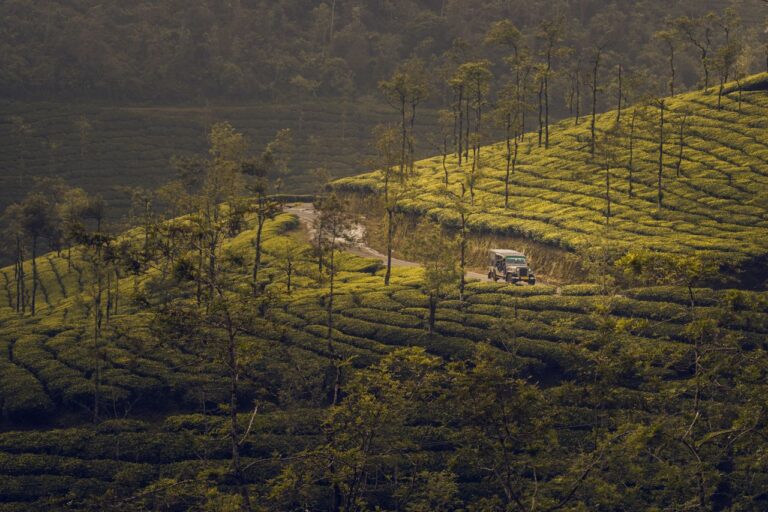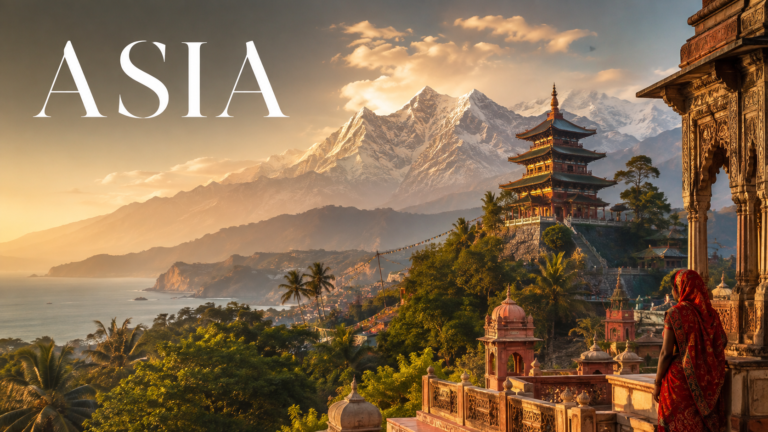
India is not a country you can understand from one city, one dish, or one itinerary.
The landscape changes from the Himalayas in the north to tropical beaches in the south. Food changes from region to region, languages change, and even the pace of daily life can feel completely different from one state to another.
That variety is what makes India such an interesting country to travel through. It can also make planning confusing.
The easiest approach is to stop trying to see “all of India” and choose a region that matches the kind of trip you want.
India at a Glance
| Capital | New Delhi |
| Currency | Indian Rupee (INR) |
| Language | Hindi, English and many regional languages |
| Driving side | Left |
| Main transport | Trains, buses, domestic flights and taxis |
| Best known for | Food, history, culture, mountains, beaches and wildlife |
India is one of the world’s largest countries, so distances can be greater than they appear on a map. A trip that looks simple on paper can involve several hours of travel between cities.
That is why choosing a region first is often more useful than choosing individual attractions.
Where Should You Go?
There is no single “best part” of India. It depends on what you want from the trip.
North India
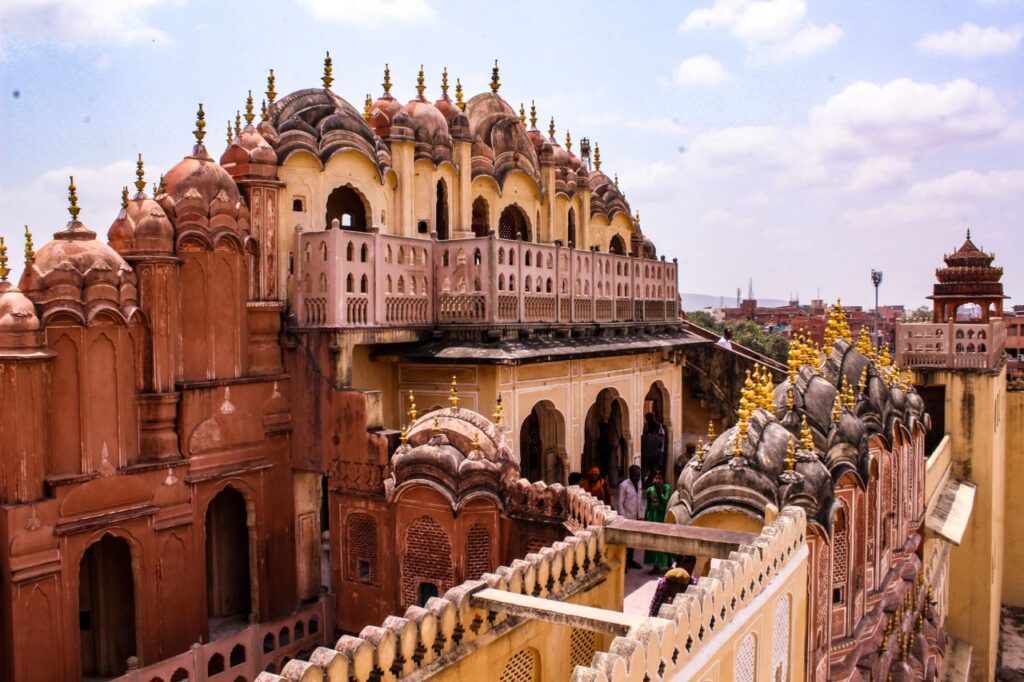
For a first introduction to India’s history and famous landmarks, Delhi, Agra and Jaipur are a natural starting point.
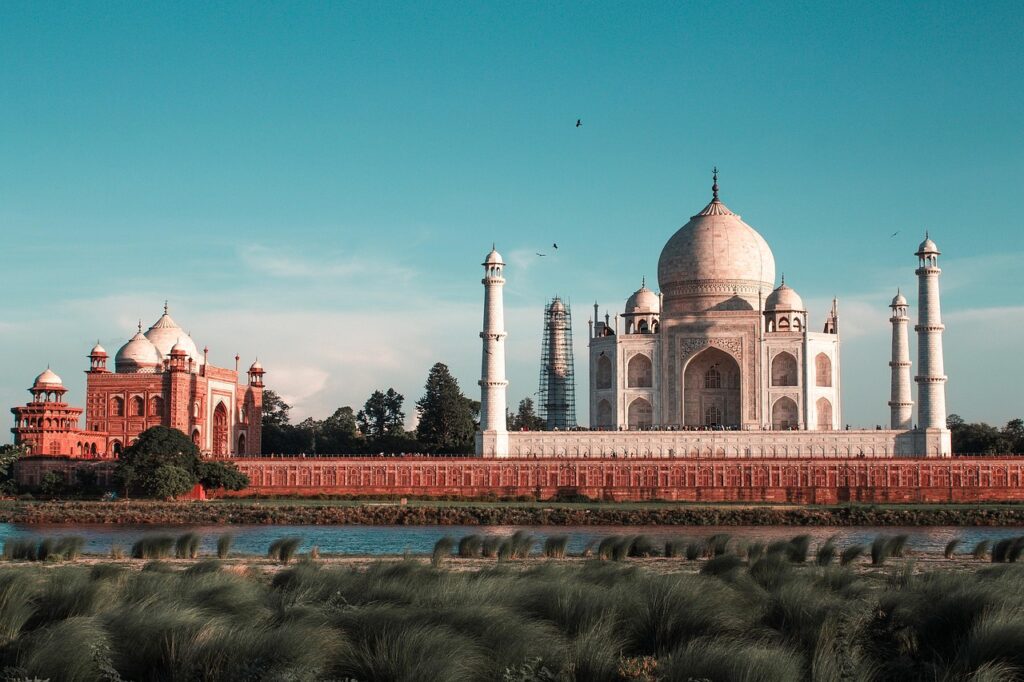
Delhi combines historic neighbourhoods, monuments and modern city life. Agra is home to the Taj Mahal, while Jaipur brings forts, palaces and the distinctive architecture of Rajasthan.
You can also continue deeper into Rajasthan, where cities such as Jodhpur, Udaipur and Jaisalmer offer very different landscapes and experiences.
South India
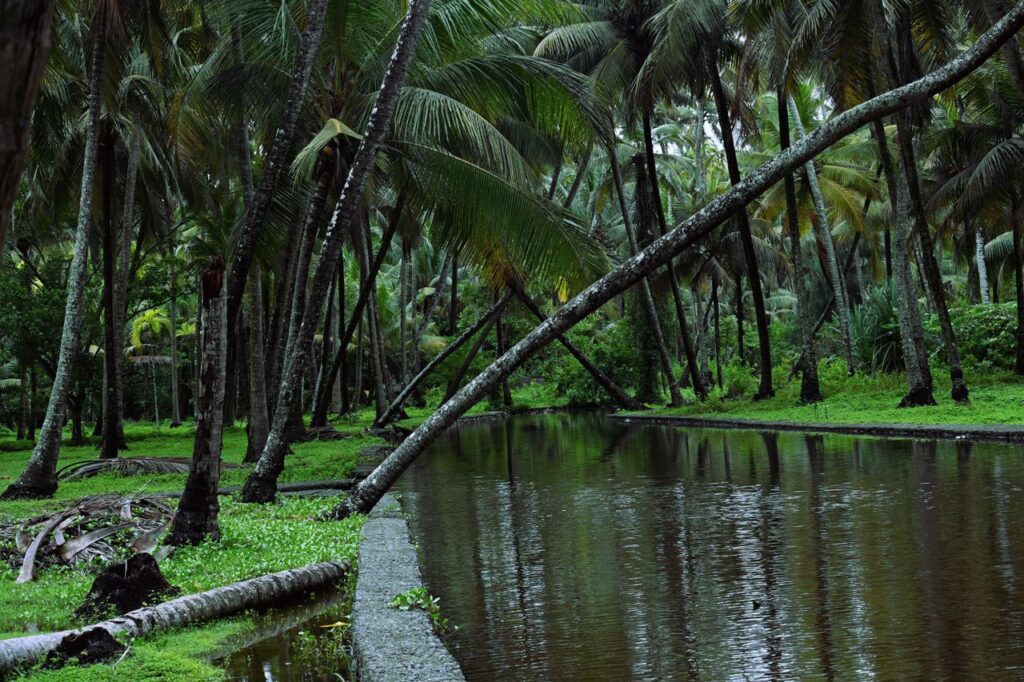
South India is a different experience.
Kerala is known for its backwaters, tropical landscapes and food. Tamil Nadu is particularly rich in temples and South Indian architecture. Karnataka combines cities, historic sites and natural landscapes.
The south works well for travelers who want to slow down rather than move between famous monuments every day.
The Himalayas
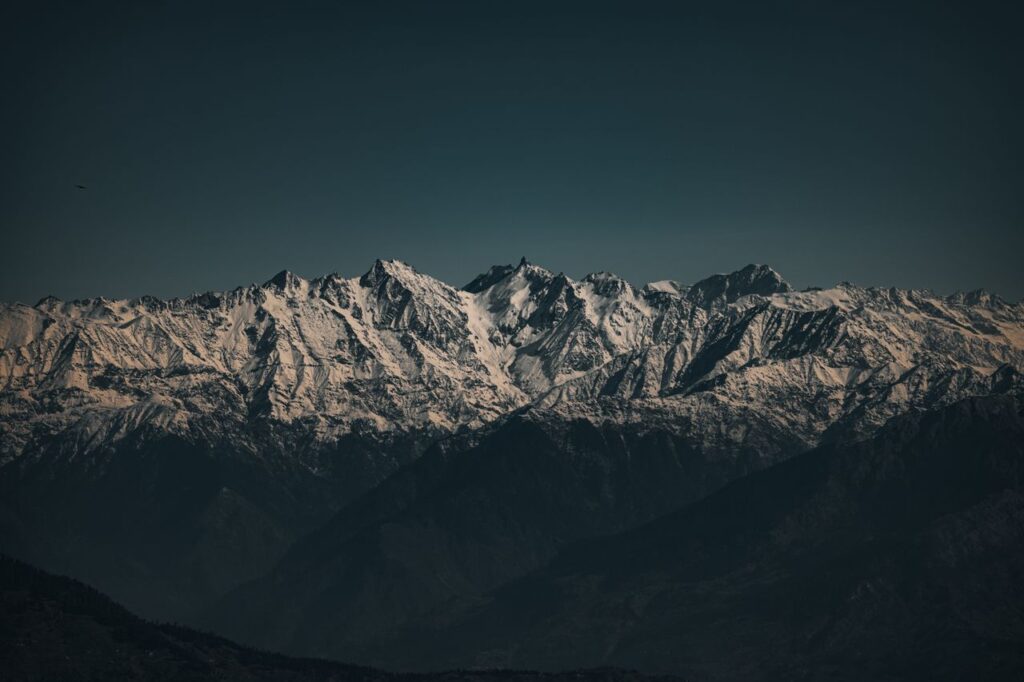
Northern India offers some of the country’s most dramatic landscapes.
Himachal Pradesh, Uttarakhand, Ladakh and parts of the Northeast attract travelers looking for mountains, trekking, monasteries and cooler weather.
The important thing is to consider altitude and road conditions when planning mountain trips. A destination that looks close on a map may take much longer to reach.
Goa and India’s beaches
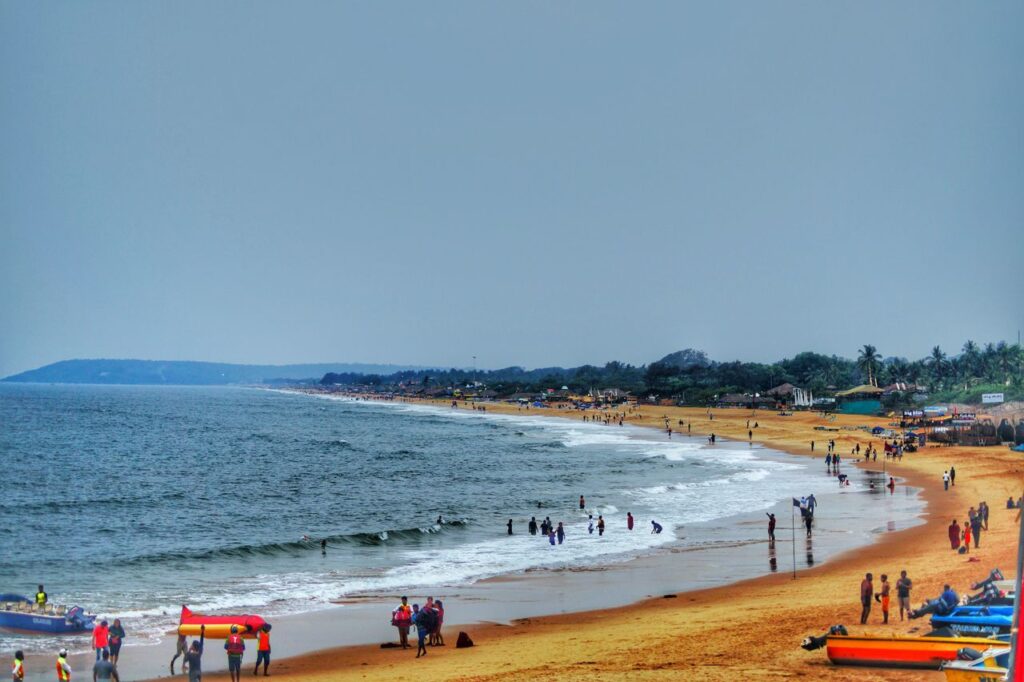
Goa is one of India’s best-known beach destinations, but it is not the only option.
Kerala, Karnataka, Maharashtra, Tamil Nadu and the Andaman and Nicobar Islands all offer coastal experiences with very different personalities.
Goa is particularly easy for first-time visitors because it has a well-established tourism infrastructure.
How Long Should You Stay?
India rewards longer trips, but you can still have a good experience with a week.
For a short trip, choose one region rather than trying to cross the country.
With 10 to 14 days, you can explore a larger regional route without spending most of your holiday travelling.
If you have several weeks, you can combine regions, but remember that India is enormous. Domestic flights can save time, while trains can turn the journey itself into part of the experien
Getting Around India
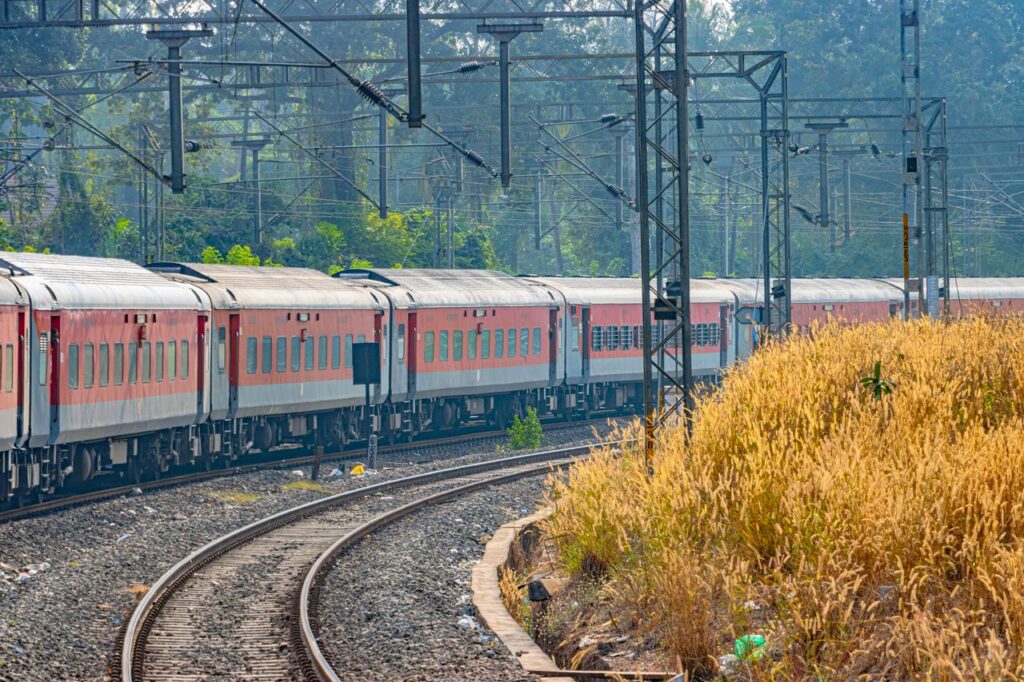
India has an extensive railway network, and trains remain one of the most interesting ways to travel between many cities.
For longer distances, domestic flights can save considerable time. Buses and taxis are useful for shorter regional journeys, particularly where rail connections are limited.
Major cities also have metro systems, including Delhi, Mumbai, Bengaluru, Hyderabad and several other urban centres.
Travel times can vary significantly because road conditions and traffic differ from one place to another. When building an itinerary, don’t assume that a short distance automatically means a short journey.
When Is the Best Time to Visit India?
India’s climate changes dramatically across the country.
For much of northern and central India, the cooler months from roughly October to March are popular for sightseeing.
Summer can become extremely hot in many inland areas, although it can be a good period for some Himalayan destinations.
The monsoon season, generally from June into September in much of the country, brings heavy rainfall to many regions. It also turns parts of India dramatically greener and can be a rewarding time to visit if you are comfortable planning around the weather.
There is no single best month for the entire country. Kerala in the south, Ladakh in the Himalayas and Rajasthan in the northwest all have different seasonal patterns.
Indian Food Changes From Region to Region
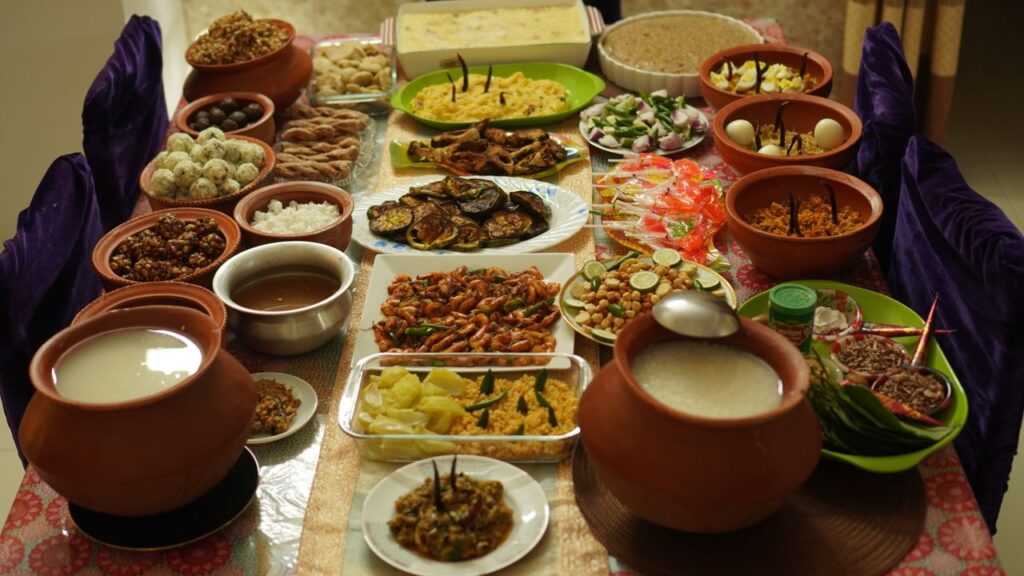
One of the easiest mistakes a first-time visitor can make is thinking of “Indian food” as one cuisine.
It isn’t.
North Indian cooking commonly features dishes such as naan, roti, kebabs, rich curries and dairy-based preparations. South Indian cuisine has its own traditions, with foods such as dosa, idli, sambar and a wide variety of rice-based dishes.
Goa is known for its coastal cuisine and Portuguese influences. Bengal has a strong seafood and sweets tradition. Gujarat has its own distinctive vegetarian cuisine, while the Northeast offers foods that may look completely different from what travelers associate with Indian cooking.
Trying local food is one of the simplest ways to understand where you are.
A Few Things First-Time Visitors Should Know
India can be overwhelming at first.
Cities can be noisy and crowded. Traffic can be chaotic. Popular monuments can become busy, particularly during holidays and peak travel periods.
That does not mean the country is difficult to travel through. It simply means that expectations matter.
Dress respectfully when visiting religious sites and follow local rules about footwear and photography. Carry water, use common sense with street food, and give yourself more time between activities than a map might suggest.
India is also not one uniform culture. Customs vary considerably between regions, religions and communities. Watching what local people do is often a better guide than assuming one rule applies everywhere.
A Simple First Trip to India
If you have around 10 days, a manageable first itinerary could be:
Delhi: 2 days
Explore Old Delhi, historic monuments and the city’s contrasting neighbourhoods.
Agra: 1 day
Visit the Taj Mahal and Agra Fort.
Jaipur: 3 days
Explore forts, palaces, markets and the historic city.
Udaipur: 2 days
Slow the pace with lakes, old streets and palaces.
2 flexible days
Use them for travel time, another nearby destination or simply more time where you enjoyed yourself.
If beaches, food or nature interest you more than monuments, skip this route entirely and build your trip around South India or Goa.
Before You Go
India is easier to enjoy when you prepare for the basics.
Check your visa and entry requirements, particularly if this is your first visit. Book important accommodation and transport in advance during busy periods. Keep copies of important documents and make sure you have access to maps and communication tools.
Most importantly, leave some flexibility in your plans.
India is not a destination where everything will always happen exactly when expected. A delayed train, unexpected traffic or a spontaneous conversation can change the shape of a day.
Sometimes that is part of the experience.
The Simple Takeaway
Don’t plan India as one giant trip.
Choose a region, give it enough time and let the food, landscape and culture change as you move through it.
For history, start with the north. For beaches and slower travel, look south or west. For mountains, head north. And wherever you go, leave enough room to experience the place instead of simply collecting attractions.
India makes much more sense when you stop trying to see all of it at once.