Japan is one of those countries that can look familiar before you arrive and completely different once you are there.
You may already know Tokyo’s neon streets, Kyoto’s temples, sushi, bullet trains and cherry blossoms. But Japan is much larger and more varied than those familiar images suggest. Hokkaido in the north has snowy winters and wide landscapes, while Okinawa in the south has a subtropical island culture.
That variety can make a first trip difficult to plan. You do not need to see all of Japan. A few well-chosen places, with enough time to enjoy them, will usually make for a better trip.
Japan at a Glance
| Capital | Tokyo |
| Currency | Japanese yen (JPY) |
| Language | Japanese |
| Driving side | Left |
| Main transport | Trains, Shinkansen and buses |
| Best known for | Food, traditional culture, cities, nature and technology |
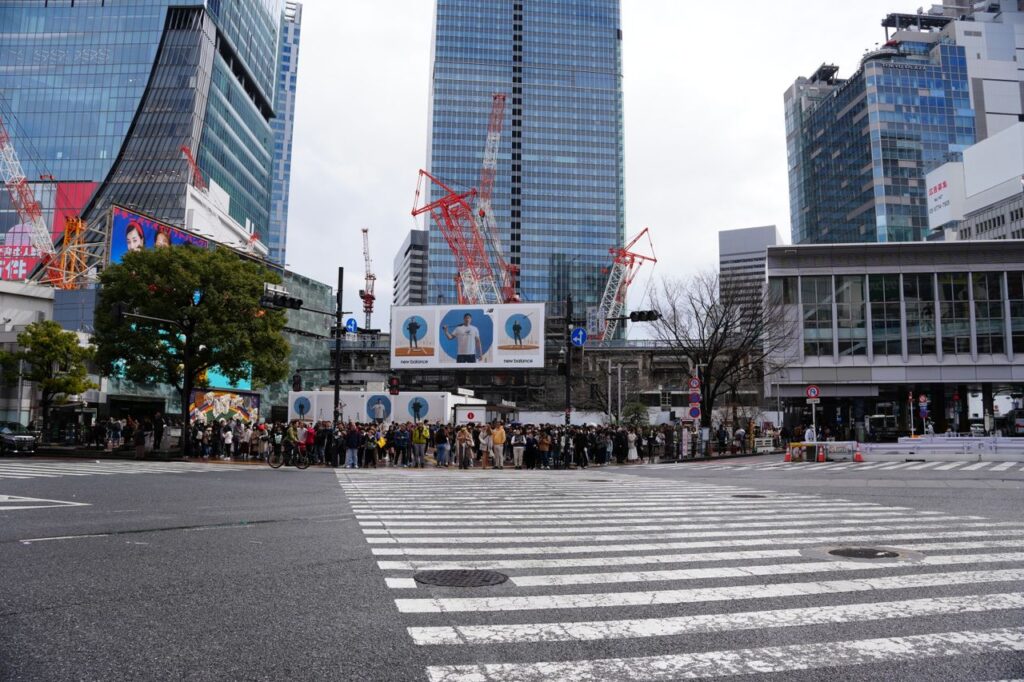
Japan stretches a long way from north to south, so the weather, landscapes and food can change considerably between regions. This is something to keep in mind when choosing where and when to go.
Where Should You Go?
For a first visit, Tokyo, Kyoto and Osaka are the easiest places to combine. They are well connected and give you very different impressions of Japan.
Tokyo
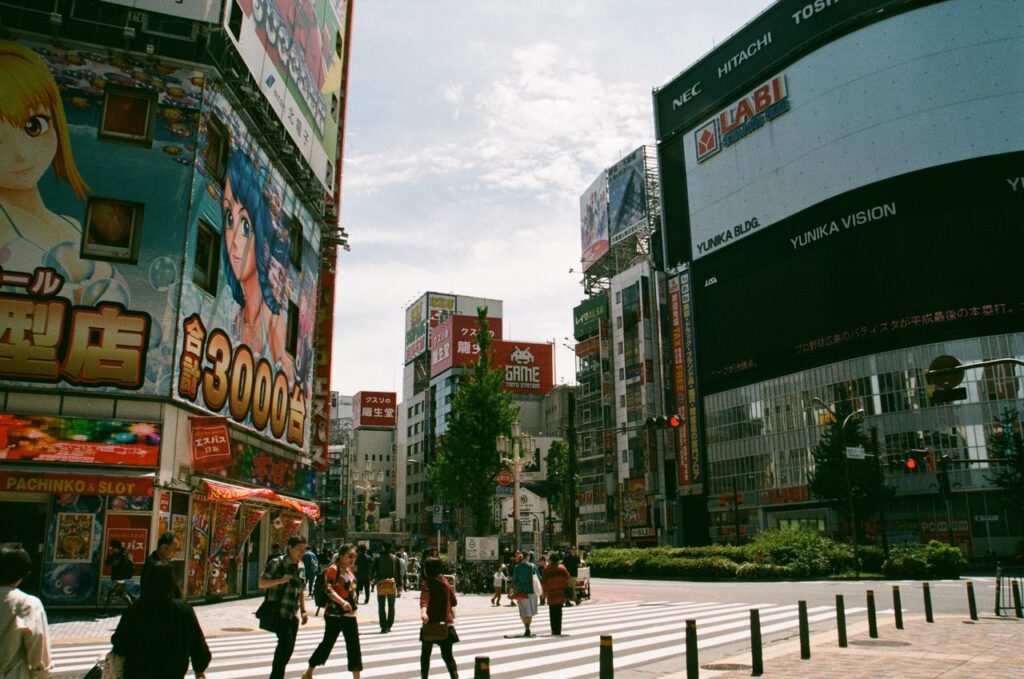
Tokyo is modern Japan at full scale. It is huge, but each neighbourhood has its own character. Shibuya is energetic and crowded, Asakusa has a more traditional feel, and areas away from the main tourist sights can show you a quieter side of everyday life.
Give Tokyo at least three or four days if possible. Trying to cover the city in a day or two usually means spending more time moving around than actually experiencing it
Kyoto
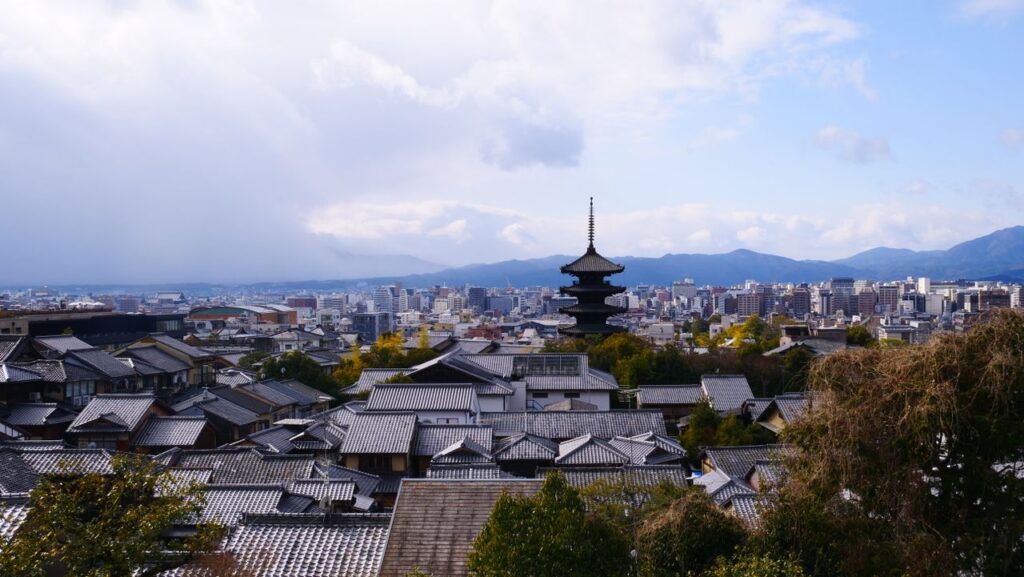
Kyoto is the city many travelers picture when they think of traditional Japan.
Its temples, shrines, gardens and old streets are the obvious attractions, but the city becomes more enjoyable when you slow down. You do not need to visit every famous temple. A walk through a quieter neighbourhood or an unplanned stop at a small restaurant can be just as memorable.
Osaka
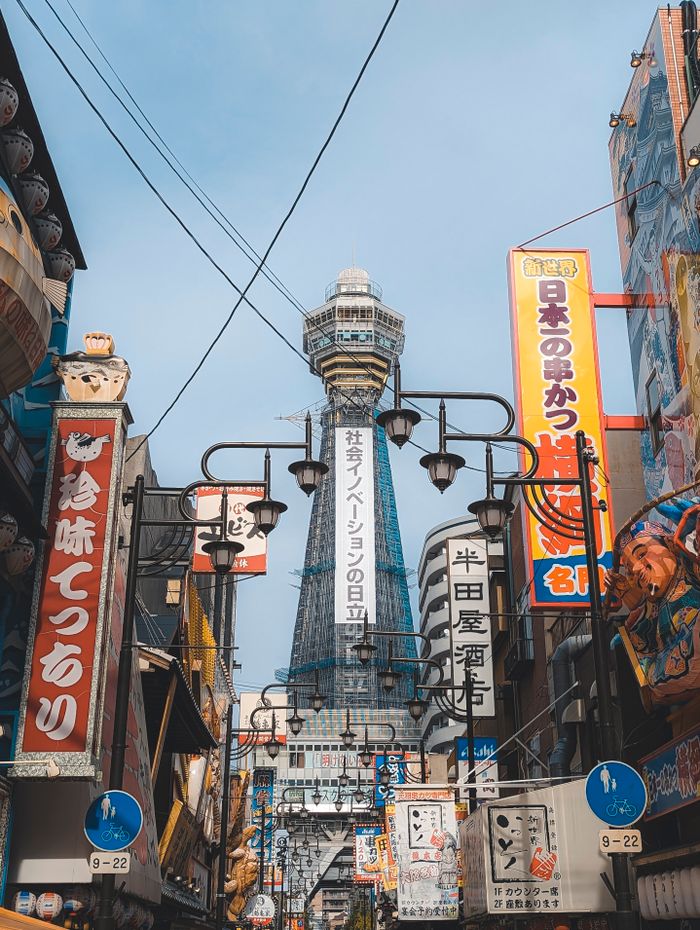
Osaka feels more relaxed and informal. It is particularly known for food, nightlife and shopping, and it is also a convenient base for exploring the wider Kansai region, including Nara and Kobe.
Beyond the usual route
The Tokyo, Kyoto and Osaka route is popular for a reason, but it is only one way to see Japan.
Hokkaido is a good choice for snow, skiing and nature. Hiroshima offers important historical sites and access to Miyajima. Okinawa is a completely different experience, with beaches and a subtropical island culture.
Choose another region because it suits your interests, not because a list told you that you have to visit it.
How Long Do You Need?
A week is enough for a first taste of Japan if you keep the itinerary focused.
With 10 to 14 days, you can comfortably combine Tokyo, Kyoto and Osaka and still have time for a day trip or another destination.
The biggest mistake is trying to fit too many places into one trip. Japan’s trains are fast and efficient, but changing cities still takes time. Every move means packing, reaching a station, checking into another hotel and learning your way around again.
A little empty space in the itinerary is useful.
Getting Around Japan
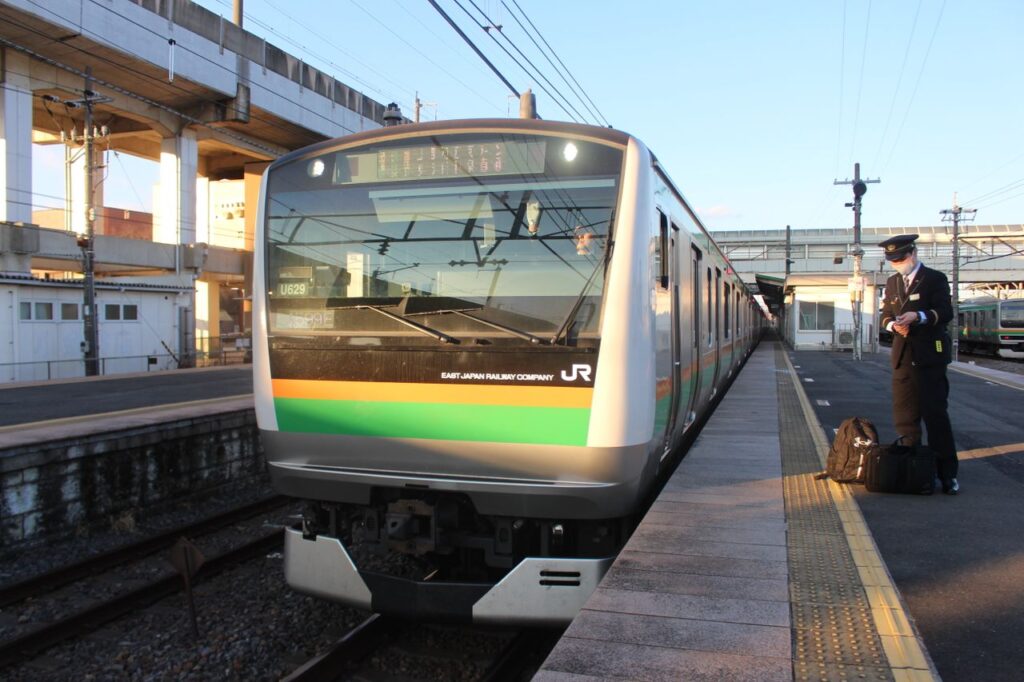
You can travel through much of Japan without renting a car.
The railway network connects the major cities, while local trains and buses handle shorter journeys. The Shinkansen makes long-distance travel between major cities particularly convenient. In rural areas, however, public transport can be less frequent, so some routes need more planning.
An IC card is also useful for everyday travel. Depending on the region and service, cards such as Suica and PASMO can be used on trains, buses and at participating shops and vending machines.
You may also hear a lot about the Japan Rail Pass. Do not assume you need one simply because you are visiting Japan. Whether it saves money depends on your actual route, so work that out before buying a pass
When Is the Best Time to Visit?
Japan changes with the seasons, and each has its own appeal.
Spring brings cherry blossoms, although the most famous viewing spots can become extremely busy.
Summer means festivals, greenery and long days, but many parts of the country are hot and humid.
Autumn is popular for comfortable weather and colourful foliage.
Winter is the season for snow, skiing and hot springs, particularly in northern Japan.
There is no single best season for the entire country. A traveler coming for cherry blossoms has very different priorities from someone planning a ski trip in Hokkaido.
Japanese Food Is Much More Than Sushi
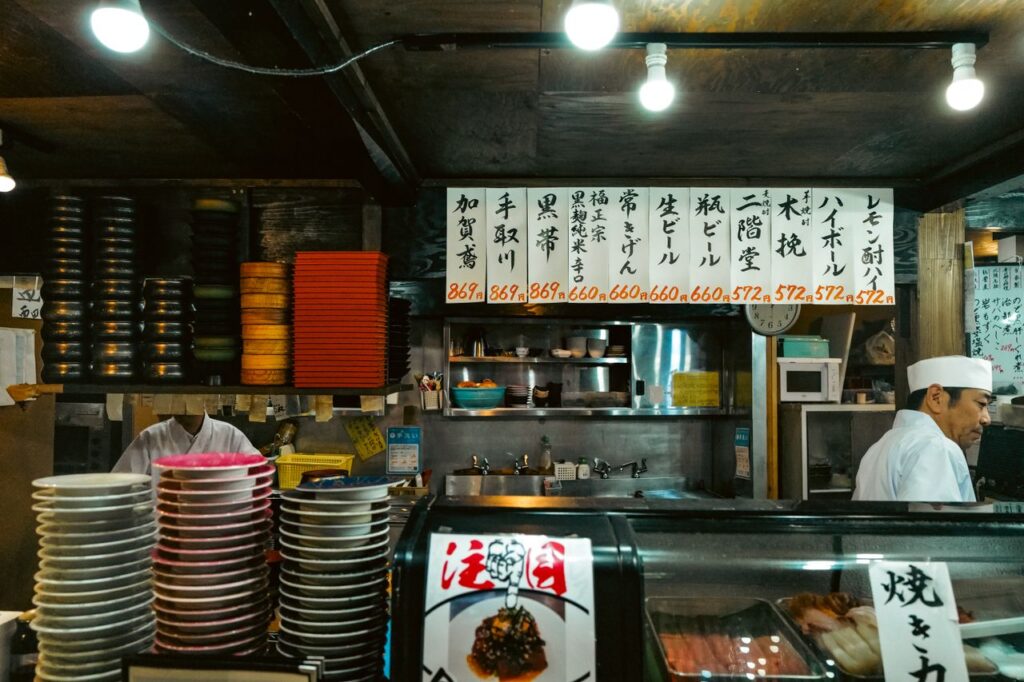
Sushi is only one part of Japanese food culture.
Ramen, soba, udon, tempura, yakitori and okonomiyaki are just a few of the foods travelers encounter. Regional differences are just as interesting. Osaka is famous for its casual food culture, Kyoto has a long tradition of refined cuisine, and Hokkaido is particularly known for seafood and dairy products.
You do not need to plan every meal around famous restaurants. A small noodle shop, local market or neighbourhood restaurant can sometimes tell you more about everyday Japan than an expensive dining experience designed for visitors.
A Few Customs Are Worth Knowing
You do not need to memorize a long list of Japanese etiquette rules before your flight. Basic consideration will take you a long way.
Public transport is generally quiet, so loud conversations and phone calls are discouraged. Shoes are removed in some restaurants, traditional accommodation and other places. If you are unsure, watching what people around you do is often the easiest way to understand what is expected.
Keep some cash with you too. Cards are widely accepted, particularly in cities, but smaller businesses and some rural locations may still require cash.
Do You Need a Visa?
That depends on your passport and the purpose of your trip.
Japan has visa exemption arrangements with many countries and regions. Travelers who are not covered by an exemption may need to obtain a visa before travelling. The Japanese Ministry of Foreign Affairs recommends checking the Japanese embassy or consulate responsible for your place of residence.
Japan also operates an official eVisa system for eligible travelers from certain countries and regions. Eligibility is not universal, so check the current government requirements for your nationality before making your plans.
What First-Time Visitors Often Get Wrong
Japan’s reputation for efficiency can create an unrealistic expectation that everything will be effortless.
Large train stations can be confusing at first. Popular areas can become very crowded. Rural travel requires more preparation. And a packed itinerary can become exhausting surprisingly quickly.
There is also a temptation to chase the Japan seen on social media: neon streets, cherry blossoms, Mount Fuji, temples and bullet trains.
Those things are real, but they are only part of the experience.
Some of the best moments can be much smaller. A quiet street after dinner. A local train ride. A tiny restaurant you found by accident. An hour spent wandering without checking the itinerary.
A Simple First Trip
For around 10 days, you could keep things straightforward:
Tokyo: 4 days
Explore different neighbourhoods rather than trying to see everything.
Kyoto: 3 days
Focus on temples, gardens, old streets and local food.
Osaka: 2 days
Enjoy the city’s food, shopping and nightlife.
One flexible day
Use it for Nara, another nearby destination or simply more time somewhere you enjoyed.
For two weeks or more, add another region instead of squeezing more attractions into the same route.
Before You Go
Check the current entry requirements for your passport, especially if you need a visa or eVisa. Book your main accommodation and long-distance transport ahead of time if you are travelling during a busy season.
Download a translation app and maps, keep some yen available and expect to walk quite a lot.
Then leave some room in the itinerary.
Japan is easy to keep adding to. There will always be another temple, neighbourhood, restaurant or day trip you could fit in. You do not need all of them.
A first trip works better when you have enough time to notice the country between the places you came to see.
The Simple Takeaway
For most first-time visitors, Tokyo, Kyoto and Osaka are a good starting point.
Use the trains, eat beyond the famous dishes, respect local customs and choose your travel season around the experience you want.
You do not need to see all of Japan to understand why people return.