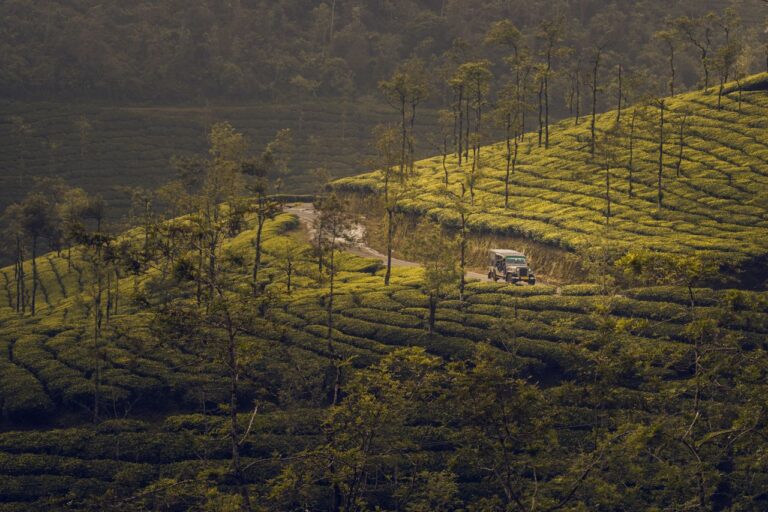
It is possible to wake up beside a tropical reef, spend the afternoon in a modern city, and still be nowhere near the country’s red desert interior. Australia is enormous, and its regions can feel like separate countries. Tropical Queensland, cool Tasmania, the beaches of New South Wales and the remote landscapes of Western Australia all require different approaches.
That is why a good Australia trip starts with geography.
You do not need to see everything. In fact, trying to do so can turn a holiday into a sequence of airports and long drives. Pick a region or two that fit your time, then build the trip around them.
This guide explains where to go, when to visit, how to get around, what to expect at the border, and the practical details that can make an Australian trip considerably easier.

Australia at a Glance
| Need to know | Australia |
|---|---|
| Capital | Canberra |
| Largest city | Sydney |
| Currency | Australian dollar (AUD) |
| Main language | English |
| Driving | Left-hand side of the road |
| Seasons | Summer: December to February; Autumn: March to May; Winter: June to August; Spring: September to November |
| Plug type | Type I |
| Main travel strength | Huge variety of cities, coastlines, wildlife and wilderness |
| Main planning challenge | Distance |
Australia has six states and two territories, with climates ranging from tropical and subtropical conditions to temperate regions and desert landscapes.
That variety is one of the country’s biggest attractions, but it also means there is no single “best time” or universal itinerary for Australia.
Start by Choosing a Region
For a first trip, it helps to think of Australia as several travel worlds rather than one giant destination.
Sydney and New South Wales
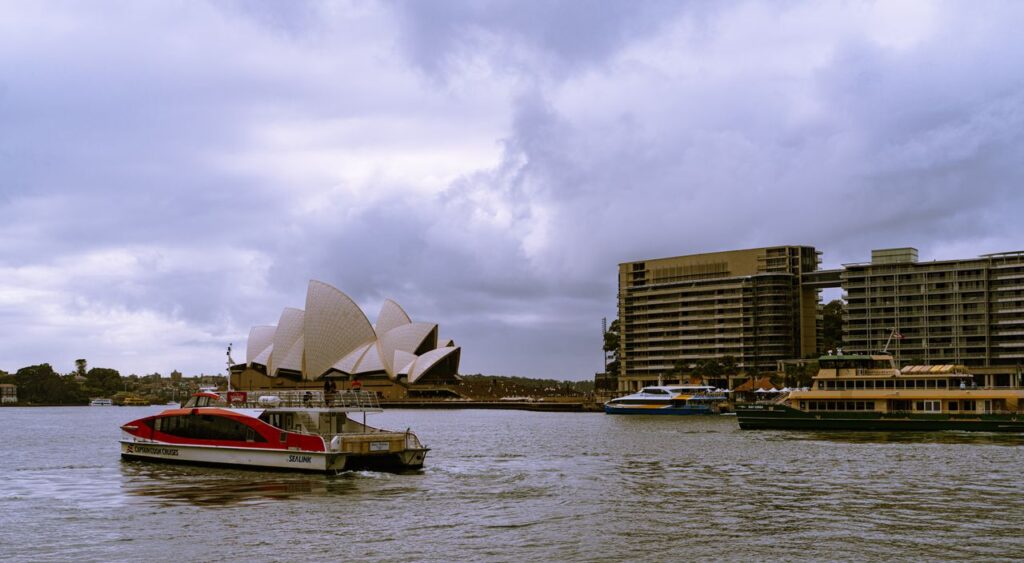
Sydney is the obvious starting point for many visitors, and for good reason. The harbour, Opera House, Harbour Bridge and beaches provide the classic introduction to Australia, but the city works best when you move beyond its postcard landmarks.
You can combine Sydney with the Blue Mountains, Hunter Valley, coastal towns or a longer drive south.
The state also offers a useful mix of city life, beaches, wine regions and mountain landscapes.
Best for: first-time visitors, cities, beaches, food, short trips and road trips.
Melbourne and Victoria
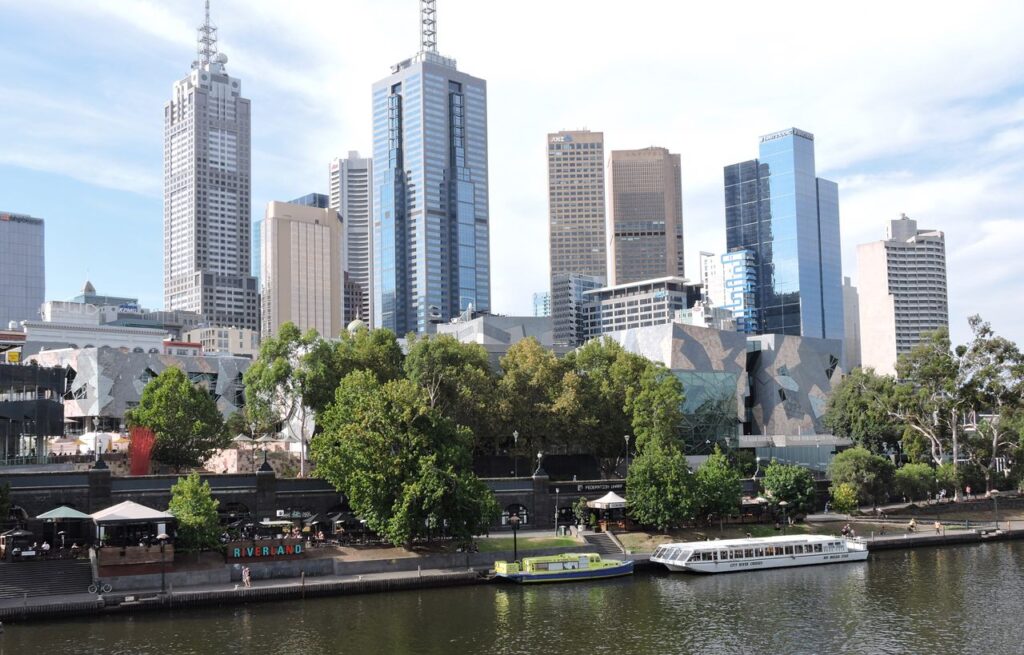
Melbourne has a different personality. It is more urban and culture-focused, with strong food, coffee, arts and live music scenes.
Victoria is also a good choice if you want to combine a city break with a road trip. The Great Ocean Road, Yarra Valley, Phillip Island and regional food and wine destinations can all be added around Melbourne.
Best for: food, culture, cafés, art, sport and road trips.
Queensland
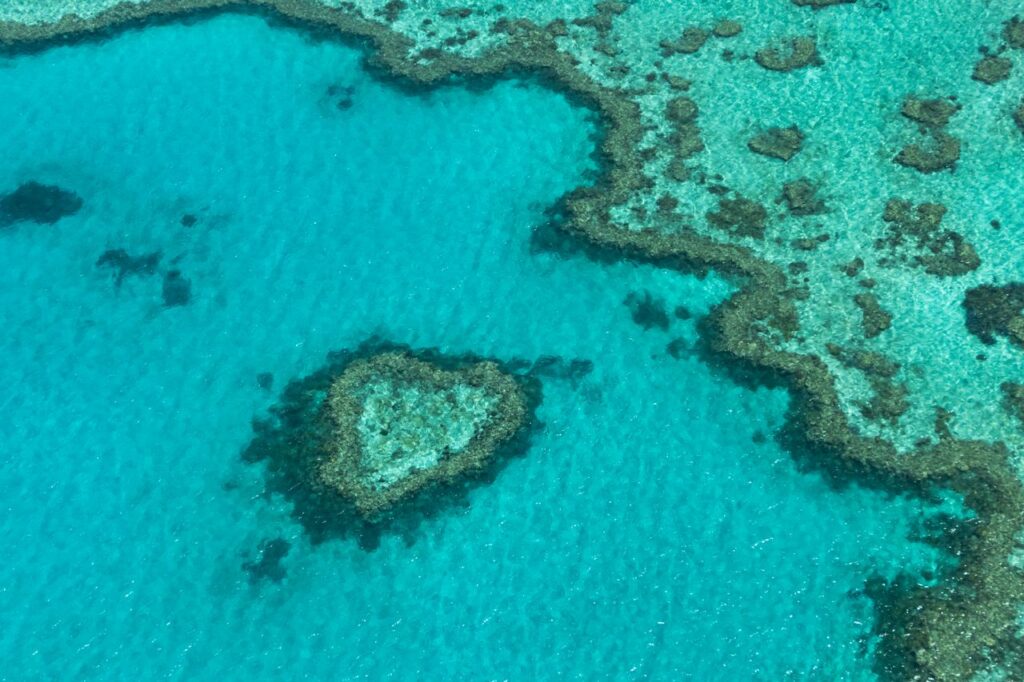
Queensland is where Australia becomes more tropical.
Brisbane and the Gold Coast provide easy urban and beach combinations, while further north you reach the Whitsundays, Cairns, the Daintree region and access to the Great Barrier Reef.
The distances matter here. A trip built around Brisbane and a trip built around Cairns can feel very different, so do not assume everything is a short drive away.
Best for: beaches, tropical landscapes, reef experiences, families and outdoor activities.
Western Australia
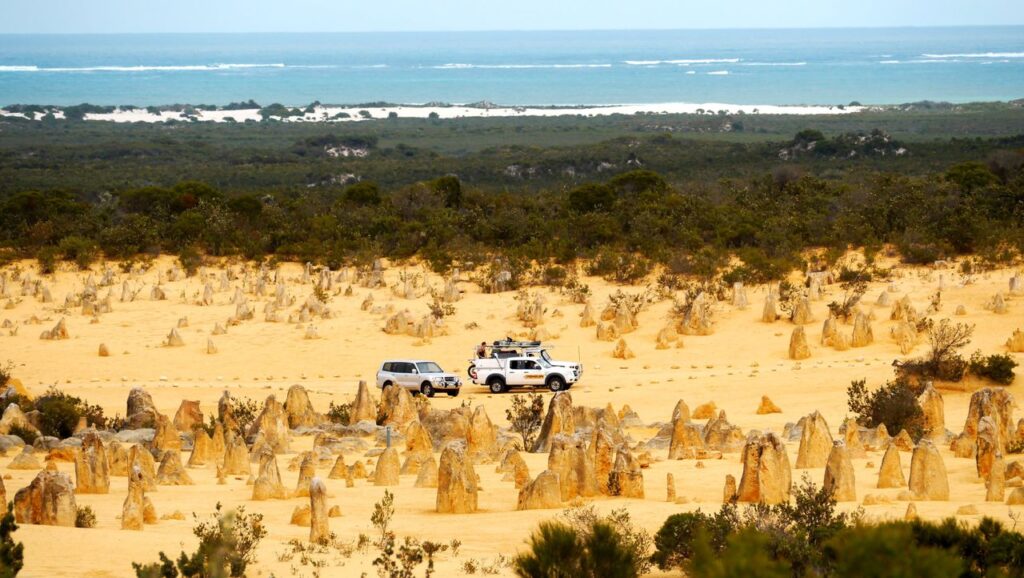
Western Australia is for travelers who have more time and want space.
Perth is the natural gateway, but the state stretches much farther north and south. The Coral Coast, Ningaloo Reef, Kimberley and southwest wine regions offer very different experiences.
Western Australia is the country’s largest state and covers almost one-third of its landmass.
That scale is part of the appeal. It is also why a Western Australia itinerary needs more planning than simply adding a few destinations to a city holiday.
Best for: long road trips, beaches, marine life, wilderness and travelers who want something less conventional.
South Australia
Adelaide is compact and easy to pair with food and wine regions. Beyond the city, South Australia offers Kangaroo Island, the Flinders Ranges and long stretches of coastline.
It is particularly attractive to travelers who care about food, wine, wildlife and landscapes without needing the crowds of Australia’s most famous destinations.
Best for: food and wine, wildlife, landscapes and slower travel.
Tasmania
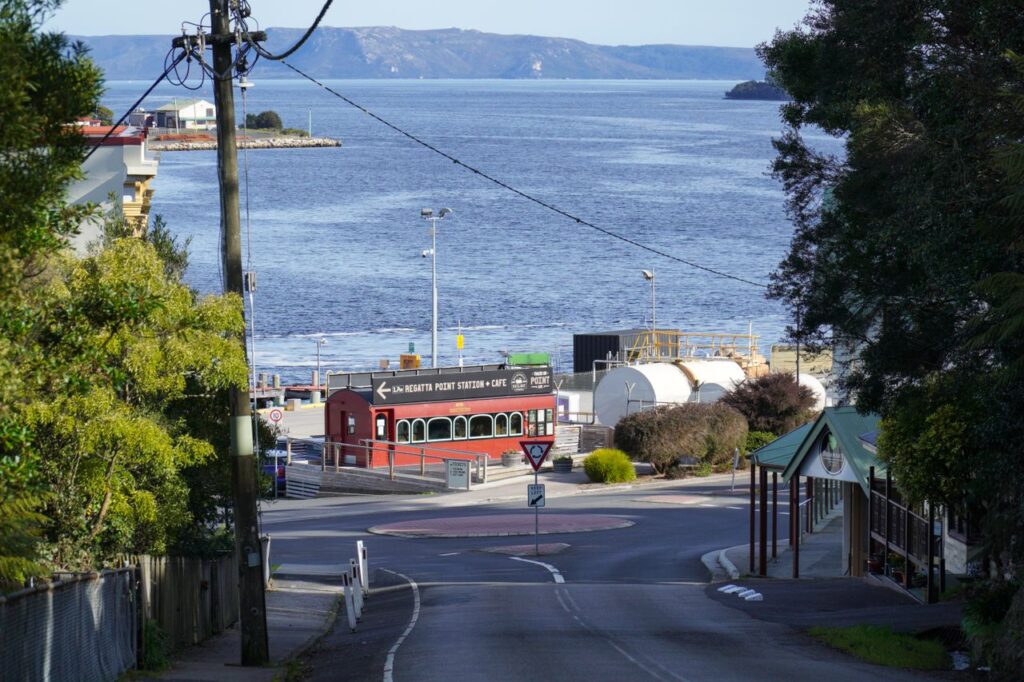
Tasmania feels different from mainland Australia.
Hobart provides an easy base for exploring the island, while the wider state is known for wilderness, mountains, coastal scenery, food and hiking.
The island is accessible by direct flights from major Australian cities, and the Spirit of Tasmania ferry connects mainland Victoria with Devonport for passengers and vehicles.
Best for: hiking, wilderness, food, wildlife and cooler weather.
Northern Territory
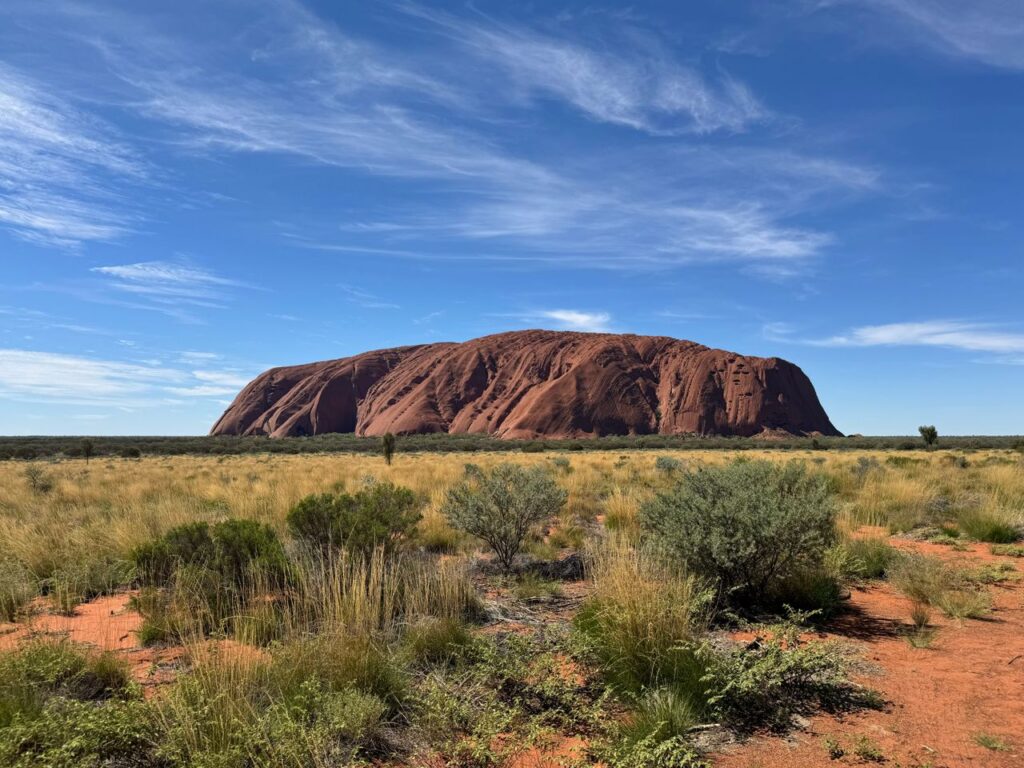
The Northern Territory is where the country’s Indigenous history, tropical north and Red Centre become central to the trip.
Darwin, Kakadu, Katherine, Alice Springs, Uluru and Kata Tjuta belong to very different environments, so avoid trying to squeeze the entire territory into a short holiday.
Best for: Aboriginal culture, the Outback, dramatic landscapes and travelers interested in Australia’s interior.
How Long Do You Need in Australia?
There is no perfect number, but your available time should determine your geography.
5 to 7 days
Choose one major region.
Sydney alone can fill several days. So can Melbourne, Brisbane and surrounding Queensland destinations. trying to add Sydney, Melbourne and Cairns to a one-week trip usually means spending too much of the holiday in transit.
10 to 14 days
This is enough for a more varied first trip. A sensible combination might be:
Sydney + Melbourne
or
Sydney + Queensland
or
Melbourne + Tasmania
You could also concentrate entirely on Queensland and include Brisbane, the Whitsundays and Cairns, depending on your interests.
Three weeks or more
Now you can start connecting regions.
For example:
Sydney → Melbourne → Great Ocean Road → Tasmania
or
Brisbane → Whitsundays → Cairns → Great Barrier Reef
Longer trips also make Western Australia and more ambitious road trips easier to justify.
The country’s domestic flights make these combinations possible, but the distances should still be respected. Tourism Australia lists the road distance between Sydney and Perth at more than 4,000 kilometres, while Sydney to Cairns is more than 2,400 kilometres by road.
That is not a casual weekend drive
When Is the Best Time to Visit Australia?
Australia does not have one travel season that works equally well everywhere.
The country spans several climate zones, and its seasons are opposite to those in the Northern Hemisphere. Summer runs from December to February, while winter runs from June to August
December to February
Summer is attractive for beaches, outdoor activities and southern destinations.
It is also a busy travel period, particularly around school holidays. Tourism Australia notes that peak periods can be busier and more expensive, while shoulder seasons can offer a useful balance of weather and crowds.
For tropical northern Australia, however, summer brings a very different climate from the southern cities.
March to May
Autumn can be an excellent period for southern Australia.
Temperatures become more comfortable in many areas, and the worst of the summer crowds may have eased.
For a trip focused on Sydney, Melbourne, Tasmania or parts of southern Australia, this can be an appealing time.
June to August
Winter is not automatically a bad season for Australia.
Northern Queensland and the tropical north can be attractive during the cooler months, while southern cities are genuinely winter destinations and Tasmania can be cold.
If your idea of Australia is beaches and reef experiences, look at the destination’s climate rather than simply checking the national season.
September to November
Spring is another useful shoulder period for many parts of the country.
Wildflowers, milder temperatures and longer days can make it particularly appealing in some regions.
The broader lesson is simple: choose the destination first, then choose the season.
How to Get Around Australia
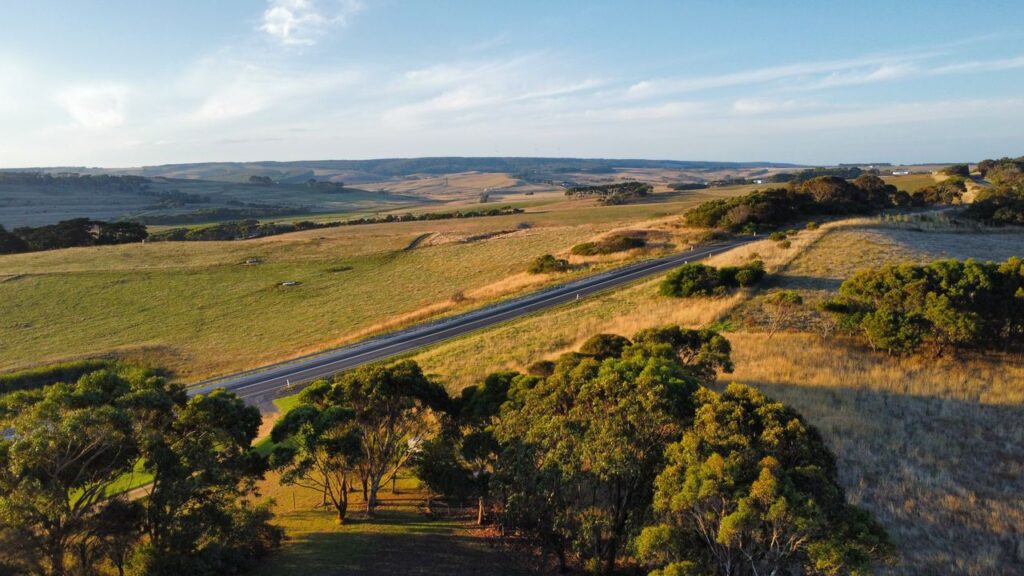
Australia is easy to navigate once you accept that flying is often necessary.
Domestic flights
For long distances, flying is usually the practical choice.
Australia has domestic airlines serving the capital cities and many regional destinations, making it possible to connect major parts of the country without spending days on the road.
If you only have one or two weeks, domestic flights can save a substantial amount of holiday time.
Driving
Road trips are one of the best ways to experience Australia, particularly outside the major cities.
You can rent cars, campervans and 4WD vehicles depending on the route.
But driving in Australia requires some respect for distance. A route that looks manageable on a map can take much longer than expected, especially when you leave major highways.
Before heading into remote areas, check fuel availability, road conditions and local weather.
Public transport
Major cities have trains, buses, trams, ferries and other public transport options.
Melbourne’s tram network, Sydney’s trains and ferries, and Brisbane’s public transport system can make city travel much easier without a rental car.
Tourism Australia also notes that public transport is useful for reaching major attractions while avoiding parking problems.
Long-distance trains
Australia has some famous long-distance rail journeys, including the Indian Pacific between Sydney and Perth and The Ghan between Adelaide and Darwin.
These are experiences in their own right rather than quick alternatives to flying.
If your priority is getting from one city to another as quickly as possible, fly. If the journey itself is part of the holiday, rail can be a very different way to see the country.
What Should You Expect to Spend?
Australia has options at different price levels, but it is not generally a destination where a traveler should assume everything will be cheap.
Your biggest costs are likely to be:
- accommodation
- domestic flights
- car rental and fuel
- tours and national park experiences
- food and drinks
- travel insurance
A backpacker can travel very differently from a family staying in hotels, so a single “daily Australia budget” can be misleading.
Instead of planning around an internet average, price the actual route you want.
If your itinerary includes several domestic flights, a rental car and major reef or wildlife experiences, those items can have a much greater effect on your budget than the difference between two restaurants.
Australia uses the Australian dollar (AUD). Credit cards are widely accepted, and ATMs are common.
Food in Australia
Australian food is less about one national dish and more about a mix of influences.
You will find strong British and European traditions alongside Asian cuisines, modern Australian cooking, Indigenous ingredients and regional produce.
In major cities, food can be one of the pleasures of the trip rather than something you simply fit between attractions.
Try local seafood, Australian wines, meat pies, fresh produce and contemporary dishes that use native ingredients.
Coffee culture is also significant, particularly in Melbourne, where independent cafés are part of the city’s everyday rhythm.
For visitors interested in Aboriginal culture, food can also be a way into a much older relationship with the Australian landscape. Look for experiences led by Aboriginal guides rather than treating Indigenous ingredients or traditions as souvenirs.
Australia’s Indigenous Culture

Australia’s Aboriginal and Torres Strait Islander cultures are not a historical footnote.
They represent living cultures with deep connections to Country, community, language and place. Tourism Australia recognizes Aboriginal and Torres Strait Islander custodianship of Australian lands and waters extending back more than 60,000 years.
Travelers can experience Indigenous-led tours, art, storytelling, food and cultural programs in many parts of the country.
If this interests you, choose experiences where Aboriginal or Torres Strait Islander people are directly involved in presenting their own culture.
That approach gives the experience more context and avoids reducing Indigenous culture to a decorative part of a sightseeing itinerary.
Australia’s Beaches: A Small Rule That Matters
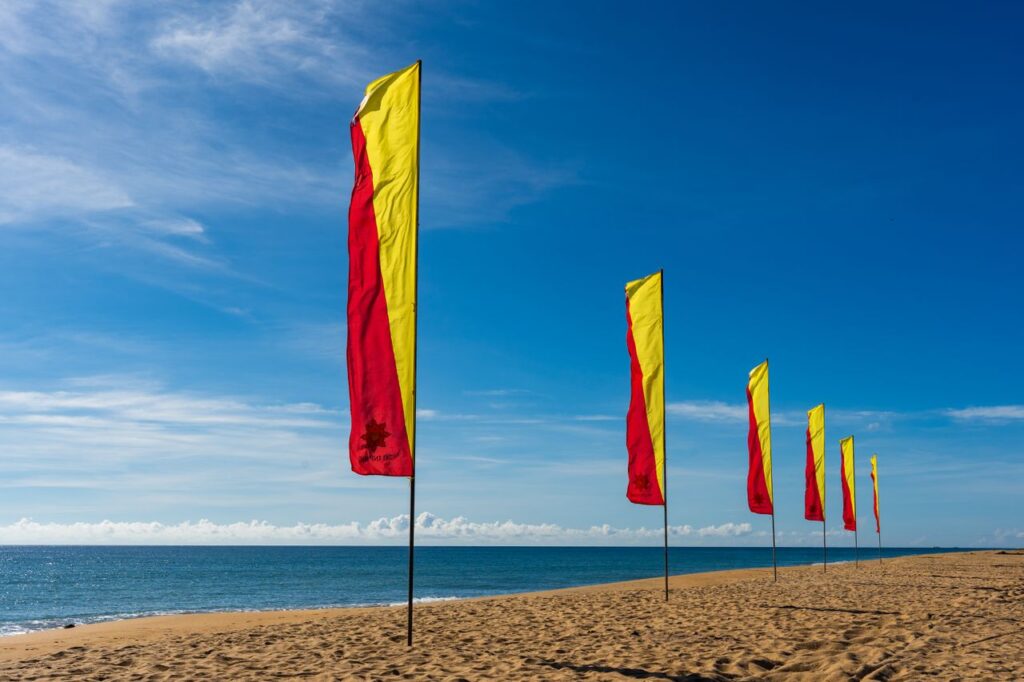
Australia’s beaches are spectacular, but ocean conditions can change quickly.
If you are swimming at a beach with lifeguards or surf lifesavers, swim between the red and yellow flags. Those flags mark the supervised swimming area. Rip currents can be difficult even for strong swimmers.
In northern Australia, conditions require additional care. Crocodiles can inhabit rivers, estuaries and coastal areas, so local warning signs and advice should be taken seriously.
Australia’s sun is also stronger than many visitors expect. Sunscreen, a hat, protective clothing and regular shade breaks are sensible, particularly during long days outdoors.
You do not need to be frightened of Australian wildlife. You do need to respect the environment you are visiting.
What Should You Pack?
Your packing list should follow your itinerary rather than the country name.
For a city and beach trip, you will probably want:
- comfortable walking shoes
- lightweight clothing
- swimwear
- sun protection
- a light jacket
- reusable water bottle
- power adapter
- travel insurance documents
- required medicines and prescriptions
For a road trip or outdoor itinerary, add suitable footwear, layers and equipment appropriate to the region and season.
Australia uses Type I electrical plugs, so travelers from countries using different socket types will need an adapter.
If you are visiting several climate zones on one trip, pack layers rather than assuming Australia is always hot.
Three Australia Itineraries That Actually Make Sense

One Week: Sydney and Surrounds
Days 1 to 4: Sydney
Explore the harbour, neighbourhoods and beaches, then give yourself time for a slower day.
Days 5 to 7: Blue Mountains or another nearby destination
This works because you are not spending half the trip flying between distant cities.
Sydney’s location also makes it a useful base for short trips into New South Wales.
Two Weeks: Sydney and Melbourne
Days 1 to 5: Sydney
Days 6 to 7: Coastal or inland journey toward Melbourne
Days 8 to 11: Melbourne
Days 12 to 14: Great Ocean Road or another Victorian destination
This gives you two very different Australian cities and enough time to explore beyond their central attractions.
Two Weeks: Queensland
Days 1 to 3: Brisbane
Days 4 to 6: Whitsundays
Days 7 to 10: Cairns and surrounding region
Days 11 to 14: Great Barrier Reef and rainforest experiences
This is a stronger choice for travelers who care more about beaches, tropical scenery and marine life than big-city sightseeing
Common Australia Trip Planning Mistakes
Trying to see the whole country: Adding five regions because they all look close on a map can create a holiday dominated by airports and long drives.
Underestimating distances: Sydney to Melbourne is already hundreds of kilometres by road. Sydney to Perth is more than 4,000 kilometres. Plan accordingly.
Choosing your dates before choosing your region: Australia’s climate varies dramatically. A date that is excellent for Tasmania may be completely different from the ideal conditions in tropical Queensland.
Assuming every famous attraction belongs in one itinerary: The Great Barrier Reef, Uluru, Sydney, Tasmania and Western Australia are all major experiences. They do not need to appear in the same holiday.
Ignoring the border rules: Food, plants, animal products and some medicines can create problems if you fail to declare them.
Treating beaches like swimming pools: Read the signs. Watch the water. Use patrolled beaches and swim between the flags.
Booking everything before understanding the route: Build the geography first.
Then book flights, accommodation, cars and activities around it.
Conclusion
Australia works particularly well for travelers who want variety.
You can spend one trip combining a major city with a national park, a reef with a rainforest, a road trip with Indigenous cultural experiences, or a cool island landscape with food and wine.
The challenge is resisting the urge to collect all of those experiences at once.
For a first visit, choose one part of the country and give it enough time. Sydney and New South Wales make sense for a shorter introduction. Queensland works well for tropical landscapes and reef experiences. Melbourne and Victoria suit travelers who want food, culture and road trips. Tasmania is excellent for wilderness. Western Australia rewards travelers with more time.
Australia becomes easier to plan once you stop asking, “How can I see Australia?”
Ask instead:
“Which Australia do I want to experience?”
That is a much more useful place to begin.