October doesn’t get the marketing budget that June or December get. There’s no single headline event pulling travelers toward it. But look at what’s actually happening to the planet’s weather in October, and a pattern shows up. The summer heat that made half the Northern Hemisphere miserable in July has broken. Hurricane season in the Atlantic and typhoon season in the Pacific are winding down. The Himalayan monsoon has cleared. And south of the equator, spring is arriving, which means Australia, New Zealand and southern South America are waking up just as the north is cooling off.
None of that is an accident, and none of it applies evenly. October in Reykjavik is nothing like October in Marrakech. So instead of another generic list, here’s one destination per inhabited continent, each chosen for a reason that is specific to this particular month, not a rebranded summer or winter recommendation.
New England, United States: the foliage window everyone tries to time and mostly gets wrong
Ten million people travel to New England each autumn chasing fall color, and a good number of them show up too early. Tourism marketing loves mid-September, but peak color rarely arrives before the first week of October, and even then it depends on where you are. Northern Vermont, the White Mountains and northwestern Maine typically peak in the first half of the month. Coastal Connecticut and Rhode Island lag behind, often not turning until late October or even early November.
That staggered timing is actually the useful part. A single loop, starting in the north and working south over a week, can put you inside peak color somewhere on the map almost every day. The Kancamagus Highway through the White Mountains, Stowe and the Green Mountains in Vermont, and the Berkshires in Massachusetts are the reliable anchors of that route.
What people underestimate: Columbus Day weekend in mid-October lands close to peak across a lot of the region, which also makes it the most congested and fully booked weekend of the season. If your schedule allows it, go midweek and book lodging well ahead. Temperatures swing hard, too. A sunny 60-degree afternoon can drop toward freezing once the sun goes behind the ridgeline, so layers matter more here than the pretty photos suggest.
Morocco: the month the desert stops being exhausting
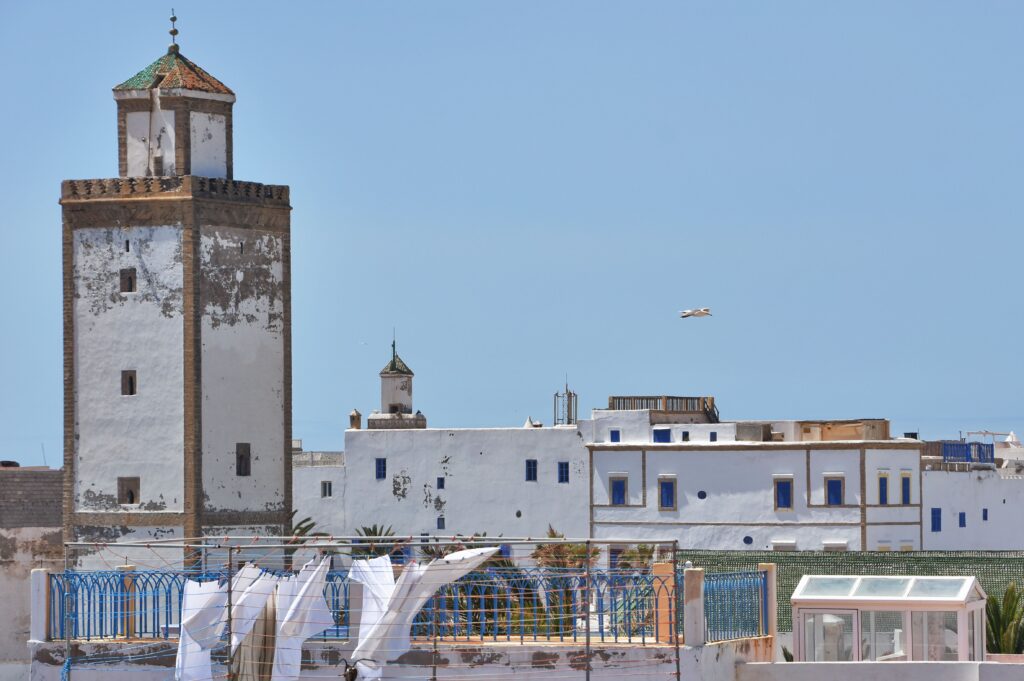
Morocco in high summer is a country you tolerate rather than enjoy, especially in the south. October is the reset. Marrakech settles into highs around 28°C (82°F) with nights near 16°C (60°F), the Atlas Mountains hover around 22°C (71°F), and the Sahara’s daytime heat drops enough that a camel ride or a night in a desert camp becomes comfortable instead of grueling. Desert nights are still cool, dropping into the 8–15°C range, so the trip requires warm layers even though the days feel like summer.
This matters practically, not just scenically. A Morocco itinerary that tries to combine Marrakech, the desert, the Atlas Mountains and the Atlantic coast in one trip is genuinely difficult in July because you’re fighting the heat at every stop. In October, all of it becomes doable in a single loop, which is part of why October has become one of Morocco’s most heavily booked shoulder-season months rather than a quiet afterthought to summer.
The trade-off is that “shoulder season” undersells how busy it actually gets. October is one of the most popular months for Sahara group tours specifically, so riads and desert camps in Merzouga fill up well before the trip, more like high-season booking windows than a typical off-peak month.
Greece: swimmable sea, empty ruins
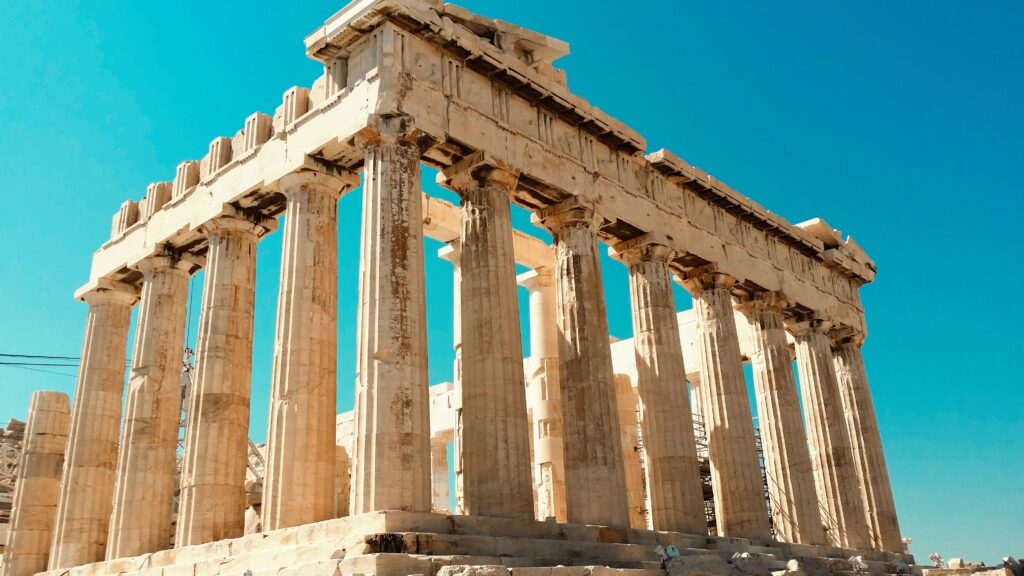
The number that sells Greece in October isn’t the air temperature. It’s the sea temperature. The Aegean holds onto its summer warmth well into autumn, sitting around 22–24°C (72–75°F) even as air temperatures ease into the high teens and mid-20s Celsius. That combination, a sea still warm enough to swim in and a sun no longer punishing enough to hide from, is the actual argument for October over August.
The other argument is who isn’t there. The Acropolis, the Meteora monasteries, and the walking paths through Santorini’s caldera towns all clear out significantly once the cruise-heavy summer crowds leave, and hotel prices in Athens and on the islands typically drop compared to peak summer.
Where it gets complicated is inter-island travel. Ferry schedules thin out as October progresses, and some seasonal routes stop running altogether by the end of the month. Treat Greece in October as better for Athens paired with one or two islands, or a mainland-and-Peloponnese trip, rather than an ambitious multi-island hop that assumes summer-level ferry frequency.
Nepal: the trail is dry, the sky is clear, and the whole country is celebrating
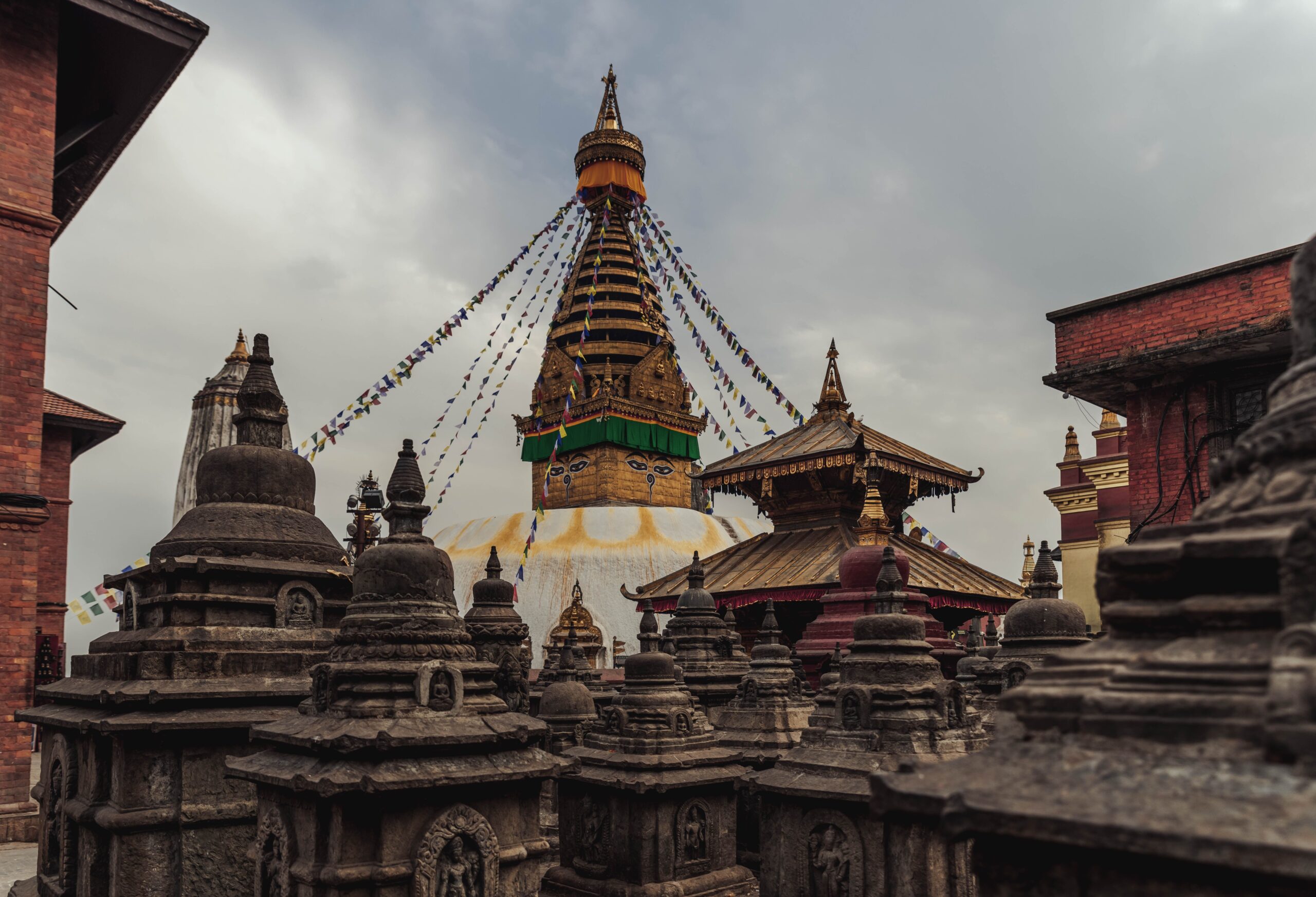
Nepal’s argument for October is almost entirely about timing between two things that would otherwise ruin the trip: the summer monsoon and the onset of winter cold at altitude. By October, the monsoon rains that make trails muddy and views hazy through most of the summer have cleared out. What’s left is dry trail conditions and some of the best mountain visibility of the year, the kind where a sunrise from Poon Hill can show you Dhaulagiri, Annapurna South and Annapurna I in the same clear frame that would often be hazy in spring.
The month also happens to contain Dashain, Nepal’s biggest festival, and in 2026 it runs from October 11 through October 25, with the main Tika day, Vijaya Dashami, falling on October 21. For a trekker, that means walking through villages mid-celebration: family gatherings on terraced hillsides, bamboo swings hung over rice paddies, red tika powder on foreheads. It’s a genuinely different experience of the trail than the same route in an ordinary month.
It’s also the reason October is Nepal’s single most booked month, by a wide margin. Everest Base Camp and Annapurna Sanctuary routes get crowded, teahouses along the popular legs fill up, and permits and guides get reserved months in advance rather than weeks. If the festival crowds and trail traffic aren’t the priority, the very end of October, after Dashain concludes around the 25th, offers a genuine workaround: the same dry, clear conditions with noticeably thinner crowds and easier teahouse negotiations, at the cost of colder nights as the first real cold fronts of the season start moving in.
Peru: Machu Picchu without the queue
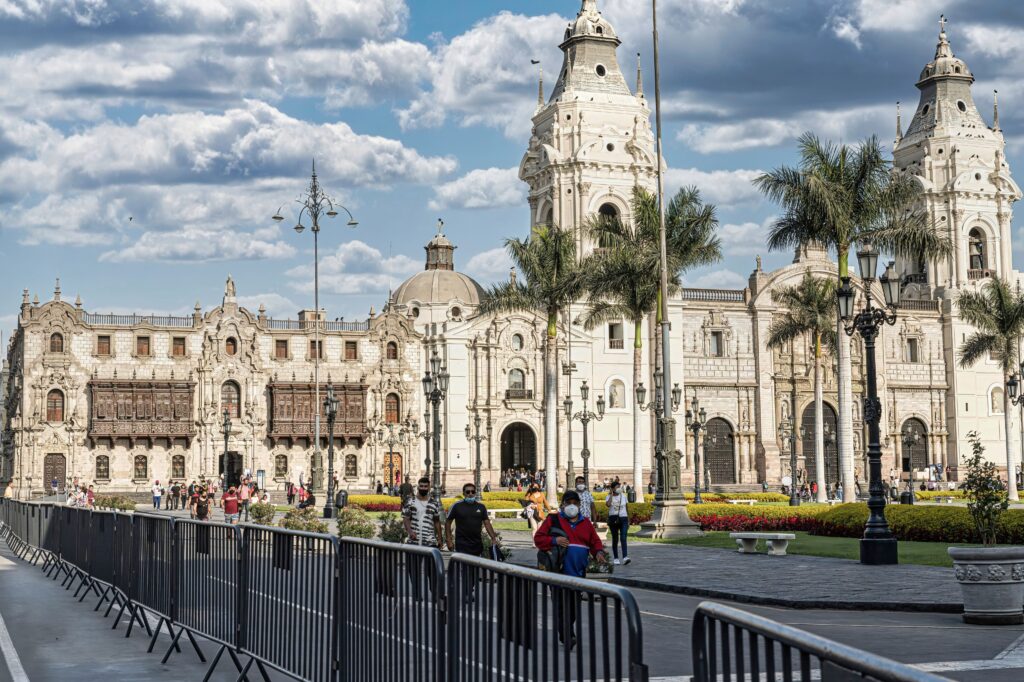
Machu Picchu’s dry season runs roughly May through October, and July and August sit at the center of it, which is also exactly when it’s most crowded and most expensive. October is the last dry-season month before the shift toward rain, and it quietly gets you most of the good weather with none of the peak congestion. Expect daytime highs around 19°C (66°F) and cool mornings near 8°C (46°F), with afternoon showers becoming more likely as the month goes on but rarely lasting long.
The practical upside shows up in permits and pricing. Inca Trail permits, which sell out months ahead during June through August, are meaningfully easier to secure in October, and both train fares and Aguas Calientes hotel rates tend to ease off their summer highs. The Salkantay and Lares treks, less permit-restricted alternatives to the Inca Trail, are also at their best in this window, with dry trail conditions and clear high-altitude views over the Andes.
The honest caveat: this is the edge of the dry season, not the middle of it, so don’t expect the bone-dry consistency of July. A morning entry, ideally the 6 to 8 a.m. slot, is still the best bet for clear views before afternoon cloud starts building over the ruins.
New Zealand: the one entry on this list that’s heading into summer, not away from it
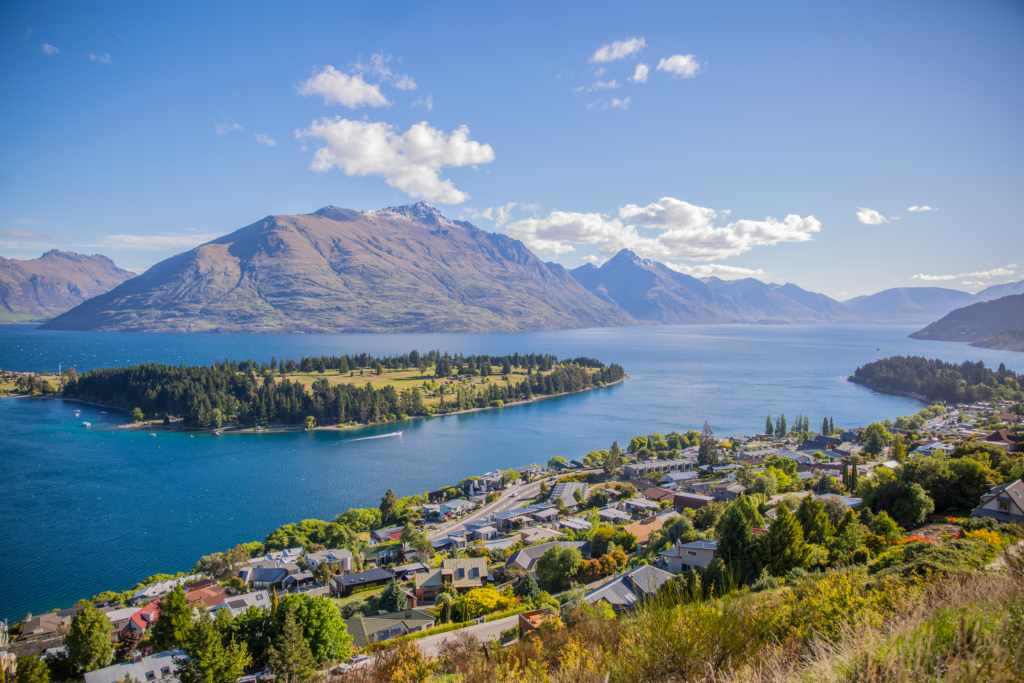
Everything else here works because a Northern Hemisphere heat wave, monsoon, or storm season has just ended. New Zealand is the exception, and that’s exactly the point. October sits in the middle of Southern Hemisphere spring, so instead of things winding down, they’re waking up: newborn lambs in the fields, lupins starting to bloom around Lake Tekapo, and daytime temperatures climbing into a genuinely pleasant range, around 15–20°C (59–68°F) in most main centers, while ski season is only just finishing in the mountains.
It’s also shoulder season in the commercial sense, meaning lower accommodation and rental car prices than the December-to-February rush, without the empty-country feeling of the true off-season. The Great Walks booking system through the Department of Conservation typically opens its season in late October, so this is when serious hikers start locking in huts and campsites for the summer ahead.
The catch is the same one locals will tell you about any spring visit: the weather changes fast. A sunny Queenstown morning can turn into a cold, windy afternoon by the time you’re driving a mountain pass, and the Southern Alps can still throw late snow at high routes. Pack for a wider temperature range than the average forecast suggests, and build in indoor alternatives, museums, hot pools, geothermal parks, for days the weather doesn’t cooperate.
How to actually choose between these
If foliage and road-trip logistics matter more than international flights, New England is the easy pick, but only if you can be flexible about which week you go given how unevenly the color arrives from north to south. If heat has been the obstacle keeping you away from a desert trip, Morocco in October removes that obstacle almost entirely. If you want swimmable water without swimming-season crowds, Greece wins. Nepal is for anyone who wants dry, clear mountain trekking wrapped around one of the most significant cultural events in the country’s calendar, as long as you’re prepared for the busiest trail conditions of the year to go with it. Peru rewards anyone who’s tried to get an Inca Trail permit for July and given up. And New Zealand is the pick for a traveler willing to take a slightly less predictable forecast in exchange for a country in the middle of waking up rather than shutting down.
What ties all six together isn’t a shared aesthetic. It’s that each one solves a specific problem the same destination has in its “obvious” season, whether that’s heat, crowds, rain, or cost. That’s a better reason to book a flight than a list of adjectives ever was.