Travelling abroad becomes considerably simpler when you don’t have to apply for a visa before departure. There are several visa-free countries for Indians, but the term can be misleading because visa-free entry does not always mean you can simply arrive with a passport and walk through immigration.
According to the latest visa information published by India’s Ministry of External Affairs, ordinary Indian passport holders have access to a number of destinations listed under visa-free entry. Some have no major additional condition, while others require an entry permit, a valid visa from another country, a travel authorisation or specific entry documents.
This guide explains the current visa-free options for Indian travellers, how long you can generally stay, and what you should check before booking a flight.
For Indian travellers planning an international holiday, visa free countries for Indians can make the trip easier to plan.
What Does Visa-Free Travel Mean for Indians?
Visa-free travel means you do not have to obtain a traditional visa before travelling to the destination for the permitted purpose and period.
However, immigration authorities can still require:
- A valid passport
- Return or onward ticket
- Hotel or accommodation details
- Proof of sufficient funds
- Travel insurance
- An entry permit
- Electronic Travel Authorisation
- Health or vaccination documents in certain circumstances
The distinction matters. Visa-free, visa on arrival and e-visa are not the same thing.
For example, Nepal does not require a visa for Indian citizens, while the Maldives grants a tourist visa on arrival. Seychelles does not require a visa, but travellers must obtain a Travel Authorisation before departure.
The Ministry of External Affairs currently separates visa-free entry, e-visa facilities and visa-on-arrival facilities in its visa information for Indian ordinary passport holders.
Visa-Free Countries for Indians in 2026
The current MEA list contains 27 destinations under visa-free entry for Indian ordinary passport holders. You can also check the latest Ministry of External Affairs visa information before planning your trip.
| Destination | Visa-Free Stay Listed by MEA | Important Condition |
|---|---|---|
| Angola | 30 days | Standard entry conditions |
| Barbados | 90 days | Tourist and business |
| Belarus | 30 days | Specific conditions apply |
| Bhutan | No limit | Entry permit required |
| Dominica | 180 days | Entry conditions apply |
| Cook Islands | 31 days | Return ticket required |
| Dominican Republic | No fixed period listed | Certain third-country visa conditions |
| Grenada | 90 days | Standard entry conditions |
| Haiti | 90 days | MEA notes lack of formal confirmation |
| Jamaica | 30 days | Standard entry conditions |
| Kazakhstan | 14 days | Non-extendable |
| Kyrgyzstan | 7 days | Certain long-term third-country visa holders |
| Malaysia | 30 days | Current exemption until 31 Dec 2026 |
| Maldives | 90 days | Tourist visa is granted on arrival |
| Montserrat | 180 days | Standard entry conditions |
| Nepal | No limit | Indian citizens do not need a visa |
| Niue | 30 days | Return ticket required |
| Philippines | 14 days | Specific conditions |
| Rwanda | 30 days | Entry conditions apply |
| Saint Lucia | 6 weeks | Standard entry conditions |
| Saint Vincent and the Grenadines | 30 days | Proof of accommodation, funds and return ticket |
| Samoa | 60 days | Entry conditions apply |
| Senegal | 90 days | Standard entry conditions |
| Seychelles | 90 days | Travel Authorisation required |
| Thailand | 30 days currently | Tourism visa exemption |
| Trinidad and Tobago | 90 days | Standard entry conditions |
| Vanuatu | 30 days | Standard entry conditions |
The table combines the MEA’s current visa-free classification with newer official immigration information where a rule has changed since the MEA page was published. Thailand is one example. The Thai Embassy in New Delhi announced that the visa exemption for Indian ordinary passport holders changed to 30 days from 15 September 2026.
1. Nepal
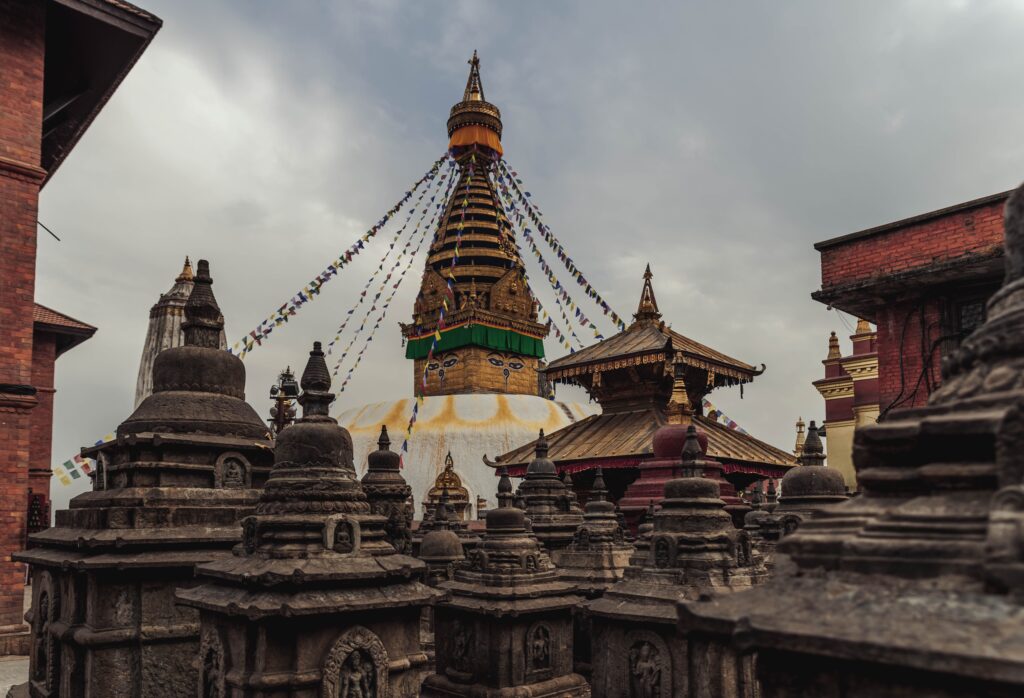
Nepal is one of the easiest international destinations for Indian travellers.
Indian citizens do not need a visa to enter Nepal. Nepal’s immigration authority states that Indian citizens can enter using a valid Indian passport. Indian citizens without a passport can also use a voter card.
For a short holiday, Kathmandu, Pokhara, Chitwan and nearby mountain regions offer different types of experiences. Nepal is also accessible by road from several parts of northern India, which can reduce the cost of an international trip.
Indian travellers should still carry appropriate identification. Nepal’s immigration authority recommends travelling with a passport for faster processing.
Visa requirement: No visa
Stay: No fixed visa limit for Indian citizens
Best for: Mountains, culture, trekking and budget travel
2. Bhutan
Bhutan is another neighbouring destination where Indian citizens do not need a traditional tourist visa.
There is an important distinction, though. Indian travellers need an entry permit.
Bhutan’s immigration authority says Indian nationals can obtain the permit on arrival and must present either an Indian passport or an original Voter Identity Card. The authority recommends obtaining the permit in advance where possible to reduce processing time.
Bhutan is particularly suited to travellers looking for monasteries, Himalayan scenery, quieter towns and cultural experiences.
Visa requirement: No visa
Entry requirement: Entry permit
Best for: Mountains, monasteries and slow travel
3. Thailand
Thailand is one of the most popular visa-free destinations for Indian travellers, and its current rule is particularly important to check because it changed recently.
From 15 September 2026, Indian ordinary passport holders travelling for tourism can enter Thailand under a 30-day visa exemption. This was announced by the Royal Thai Embassy in New Delhi.
A short trip can focus on Bangkok, Phuket, Krabi, Pattaya or Chiang Mai. Trying to cover several regions in one short holiday can increase both transportation costs and travel time.
Travellers also need to complete Thailand’s required digital arrival registration before entering the country.
Visa requirement: No visa for eligible tourism stays
Current stay: 30 days
Best for: Beaches, food, nightlife and first-time Southeast Asia trips
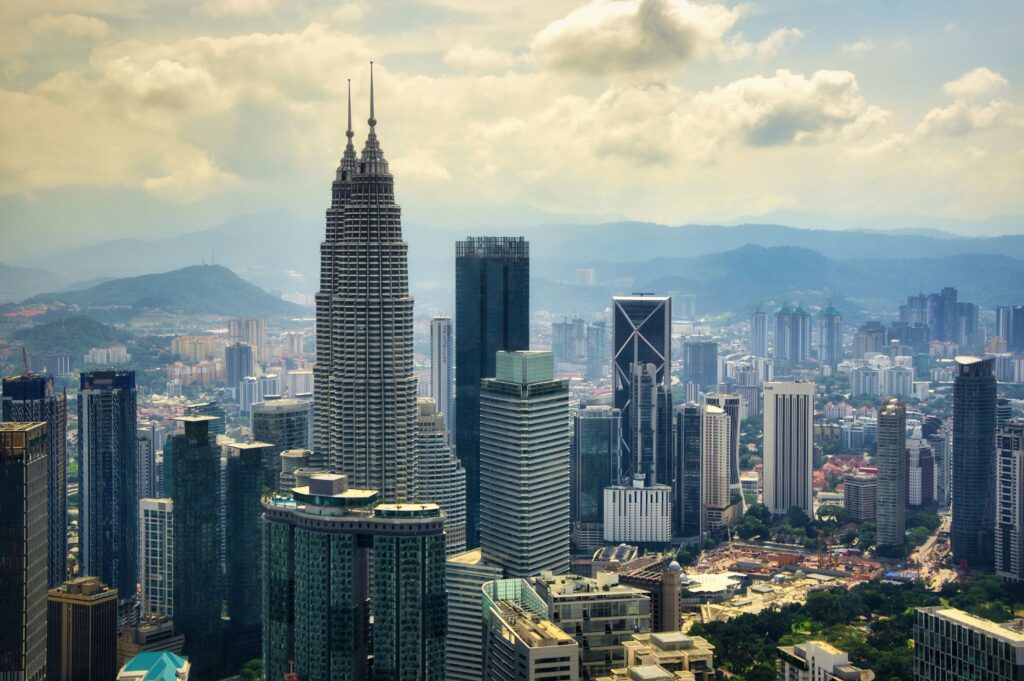
4. Malaysia
Malaysia currently allows Indian citizens to enter without a visa for short social visits under a temporary exemption.
The Malaysian Immigration Department states that Indian citizens are visa-exempt until 31 December 2026.
Kuala Lumpur is the easiest starting point for a short trip. Travellers can combine the city with destinations such as Malacca, Langkawi or Penang depending on their time and budget.
Because the current exemption has a stated end date, this is one destination where checking the rules again before booking is especially important.
Visa requirement: No visa under the current exemption
Stay: Up to 30 days
Current exemption: Until 31 December 2026
Best for: City breaks, food, shopping and beaches
5. Kazakhstan
Kazakhstan offers one of the more unusual visa-free opportunities for Indian travellers because the permitted stay is shorter than many other destinations.
Indian citizens can enter Kazakhstan without a visa for up to 14 consecutive days. The total visa-free stay cannot exceed 42 days within a 180-day period. The rule applies to tourist, private and business travel.
Almaty is the obvious starting point for a first visit, with mountain landscapes, lakes and city attractions nearby.
The 14-day limit makes Kazakhstan particularly suitable for a focused one- or two-week holiday rather than a long backpacking trip.
Visa requirement: No visa
Stay: Up to 14 consecutive days
Maximum: 42 days within 180 days
Best for: Mountains, nature and city travel
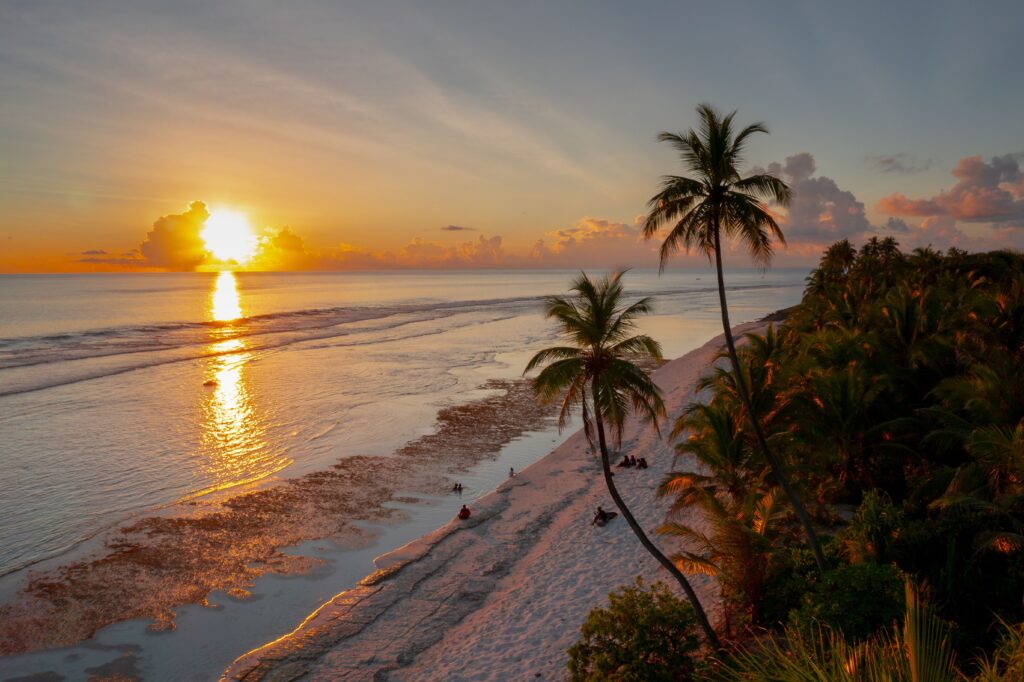
6. Maldives
The Maldives is often described as a visa-free destination for Indians, but the actual immigration process is slightly different.
Maldives Immigration states that tourist visas are granted on arrival, and tourists do not need pre-approval before travelling. Travellers must meet the country’s entry requirements, including a confirmed return ticket, accommodation and sufficient funds. A Traveller Declaration must also be submitted through the official system before arrival.
So while the destination is included under India’s visa-free travel information, travellers should understand that the Maldives technically issues a tourist visa on arrival.
Entry: Tourist visa on arrival
Pre-approval: Not required
Best for: Beaches, resorts and water activities
7. Seychelles
Seychelles is another destination where “visa-free” does not mean “no paperwork”.
This country does not require a visa for visitors, and a visitor’s permit is issued on arrival when the traveller meets the entry requirements. However, all travellers must obtain a Travel Authorisation before departure.
Travellers should have a valid passport, return or onward ticket, confirmed accommodation and sufficient funds. Seychelles’ immigration authority currently states a minimum financial requirement of US$150 per day.
Visa requirement: No visa
Pre-travel requirement: Travel Authorisation
Stay: Visitor’s permit initially up to three months
Best for: Beaches, islands and nature
8. Philippines
The Philippines introduced a dedicated visa-free facility for Indian nationals in 2025.
Indian citizens travelling for tourism or business can enter without a visa for up to 14 days, provided they meet the required conditions. These include a passport valid for at least six months beyond the intended stay, confirmed accommodation, proof of financial capacity and a return or onward ticket.
There is also a 30-day visa-free facility for Indian nationals who hold valid visas or residence permits from the United States, Japan, Australia, Canada, Schengen countries, Singapore or the United Kingdom.
For a first trip, Manila can be combined with one major island destination rather than trying to cover the country in a few days.
Visa requirement: No visa for eligible short visits
Standard stay: 14 days
With qualifying AJACSSUK visa/residence permit: 30 days
Best for: Islands, beaches and diving
Other Visa-Free Destinations for Indians
The list extends well beyond the destinations most Indian travellers usually consider.
Africa
Angola allows Indian citizens visa-free entry for up to 30 days under the MEA’s current list.
Senegal allows up to 90 days.
Rwanda appears on the MEA visa-free list with a 30-day period. Rwanda’s immigration system also provides visa-on-arrival arrangements and fee waivers for citizens of Commonwealth countries, which includes India.
Seychelles allows visa-free entry, but the Travel Authorisation requirement still applies.
Caribbean
Several Caribbean destinations appear on India’s visa-free list, including:
- Barbados
- Dominica
- Grenada
- Haiti
- Jamaica
- Saint Lucia
- Saint Vincent and the Grenadines
- Trinidad and Tobago
Stay limits vary considerably. Barbados, for example, is listed by India’s MEA for up to 90 days, while Jamaica is listed for 30 days.
These destinations are geographically much farther from India than Nepal or Southeast Asia, so visa-free entry does not necessarily make them inexpensive trips. Airfare can be the largest part of the total holiday cost.
Pacific Islands
Indian passport holders can also travel visa-free to destinations including:
- Cook Islands
- Niue
- Samoa
- Vanuatu
For example, Vanuatu’s immigration authority lists India among the countries whose citizens do not require a visitor visa, subject to its entry conditions.
Samoa is listed by India’s MEA with a 60-day visa-free period, while Niue is listed for 30 days subject to a return-ticket requirement.
Visa-Free Does Not Always Mean No Conditions
This is the part travellers often miss.
A country can be classified as visa-free while still requiring documents or approvals before you travel.
Consider these examples:
| Destination | What “Visa-Free” Actually Means |
|---|---|
| Nepal | No visa required for Indian citizens |
| Bhutan | Entry permit required |
| Seychelles | Travel Authorisation required |
| Philippines | 14-day entry with specific documents |
| Kazakhstan | 14-day limit |
| Belarus | Additional conditions apply |
| Kyrgyzstan | Special third-country visa conditions |
| Thailand | 30-day exemption under current rule |
| Malaysia | Temporary exemption through 31 Dec 2026 |
| Maldives | Tourist visa issued on arrival |
The safest approach is to check the immigration authority of the destination immediately before travelling. India’s MEA itself advises Indian travellers to cross-check visa information with the relevant foreign embassy or consulate because entry rules can change.

Documents Indians Should Carry for Visa-Free Travel
Even without a visa, immigration officers can ask for supporting documents.
Keep these available:
- Valid Indian passport
- Return or onward flight ticket
- Confirmed hotel booking
- Proof of sufficient funds
- Travel insurance
- Local address or accommodation details
- Required entry permit or Travel Authorisation
- Relevant vaccination certificate, where applicable
- Copies of important travel documents
Passport validity requirements vary by destination. Don’t assume that because a country is visa-free, the passport requirements will be the same everywhere.
How to Choose a Visa-Free Country From India
Visa requirements are only one part of planning an international holiday. When comparing Visa Free countries for Indians , also consider flight costs, accommodation, local transport and the length of your stay.
For a short and easy trip, Nepal and Bhutan are practical choices because of their proximity and relatively simple entry procedures.
For Southeast Asia, Thailand and Malaysia currently offer visa-free options for Indian ordinary passport holders, while the Philippines provides a conditional 14-day facility.
For beaches and island holidays, the Maldives and Seychelles are obvious choices, although their entry processes are different from a completely paperwork-free trip.
For nature and mountains, Kazakhstan, Bhutan and Nepal offer very different experiences without the traditional tourist visa process.
For long-haul travel, Caribbean and Pacific destinations may offer generous visa-free stays, but airfare can make them much more expensive than nearby destinations.
Visa-Free vs Visa on Arrival vs E-Visa
These three terms are often mixed together on travel websites. If you’re unsure about the difference, read our guide to visa-free, visa on arrival and e-visa.
Visa-Free
You don’t need to obtain a visa before travelling.
Example: Nepal for Indian citizens.
Visa on Arrival
You don’t obtain a visa before departure, but immigration issues one when you arrive.
Example: Maldives tourist visa.
E-Visa
You apply online and receive approval before travelling.
Example: Vietnam’s e-visa system, which is not visa-free travel.
The difference can affect your planning. A visa-on-arrival destination may still require a fee, while an e-visa requires an application before you board the flight.
Common Mistakes Indian Travellers Make
Assuming every online list is current
Visa policies change. Thailand’s Indian passport exemption was revised in September 2026, for example.
Confusing visa-free with visa on arrival
The Maldives is a good example. Tourists receive a visa on arrival rather than simply entering with no visa process at all.
Ignoring entry permits
Bhutan is visa-free for Indians but still requires an entry permit.
Booking flights before checking the conditions
A destination may technically be visa-free but still require a return ticket, accommodation confirmation or proof of funds.
Looking only at the visa cost
A free visa does not mean a cheap holiday. A visa-free Caribbean or Pacific destination can cost substantially more to reach from India than a nearby country that requires a paid visa.
Frequently Asked Questions
Which countries are visa-free for Indians in 2026?
India’s Ministry of External Affairs currently lists 27 destinations under visa-free entry for ordinary Indian passport holders. They include Nepal, Bhutan, Thailand, Malaysia, Maldives, Seychelles, Kazakhstan, Philippines, Barbados, Jamaica, Senegal, Vanuatu and others. Conditions and permitted stays vary by destination.
Which is the easiest visa-free country for Indians?
Nepal has one of the simplest entry arrangements because Indian citizens do not need a visa. A valid Indian passport can be used, and eligible Indian citizens without passports can use a voter card.
Is Thailand visa-free for Indians in 2026?
Yes, for eligible tourism and short-business travel. The current Thai rule provides Indian ordinary passport holders with a 30-day visa exemption, effective from 15 September 2026.
Is Malaysia visa-free for Indians?
Yes, Indian citizens are currently exempt from Malaysian visa requirements for eligible social visits until 31 December 2026.
Is the Maldives visa-free for Indians?
The Maldives does not require tourists to obtain a visa before travelling. However, Maldives Immigration describes the system as a tourist visa granted on arrival, subject to entry requirements.
Do Indians need a visa for Bhutan?
Indian citizens do not need a tourist visa for Bhutan, but they need an entry permit. Bhutan’s immigration authority accepts an Indian passport or original Voter Identity Card for this purpose.
Is Seychelles completely visa-free for Indians?
Seychelles does not require a visa, but all travellers must obtain a Travel Authorisation before departure. A visitor’s permit is issued on arrival when the entry conditions are satisfied.
Can Indians visit the Philippines without a visa?
Yes. Indian nationals can currently enter the Philippines visa-free for up to 14 days for tourism or business if they meet the specified requirements. Those holding qualifying visas or residence permits from countries such as the US, UK, Canada, Australia, Japan, Singapore or Schengen countries can qualify for a 30-day visa-free stay.
Is visa-free travel the same as visa on arrival?
No. Visa-free means a visa is not required for entry under the applicable rules. Visa on arrival means immigration issues a visa after you arrive. The Maldives is an example of the latter.
Conclusion
There are several visa free countries for Indians in 2026, but travellers should look beyond the words “visa-free” before booking a flight. Nepal has one of the simplest arrangements, Bhutan requires an entry permit, Thailand currently offers a 30-day exemption, Malaysia’s current exemption runs through the end of 2026, and destinations such as Seychelles and the Philippines have additional requirements.
With the growing number of Visa Free countries for Indians , international travel can be easier to plan, especially when you check the entry requirements before booking your trip. Visa policies can change without much warning, so treat the list as a starting point for planning rather than the final immigration check. Before travelling, verify the latest entry requirements with the destination’s immigration authority or embassy and make sure your passport, return ticket, accommodation and other required documents are ready.